- Recommended
- Country plan · or a regional plan for a multi-country Europe trip
- Region
- Europe
- Major networks
- Telia · Tele2 · Telenor · Tre (3)
- Listed by
- Airalo · Yesim · Drimsim · GigSky
- Country code
 SE
Overview
Sweden combines design-led cities, an archipelago coast, lakes and forests, and Arctic Lapland. It is one of the most cashless countries in the world, so mobile data and a working card matter more than local cash. Telia, Tele2, Telenor and Tre (3) are the national networks, with excellent coverage in cities and along major routes. A Sweden plan works for a single-country trip; a Europe regional plan suits a Scandinavia loop with Denmark, Norway or Finland.
Top Cities and Places in Sweden
Stockholm is spread across fourteen islands, with the medieval Gamla Stan, the Vasa Museum, ABBA The Museum, the royal palace and the city hall. The Stockholm archipelago, with thousands of islands, is reached by ferry. Gothenburg on the west coast is known for seafood, canals and the Liseberg amusement park. Malmö, across the bridge from Copenhagen, is a compact and multicultural city. Uppsala has Scandinavia's oldest university. In the north, Kiruna and Abisko are bases for the northern lights, and Jukkasjärvi has the Icehotel.
Regions
Southern Sweden (Götaland) includes Gothenburg, Malmö, the island of Gotland and the farmland of Skåne. Central Sweden (Svealand) includes Stockholm, Uppsala and the lake and forest country of Dalarna. Northern Sweden (Norrland) covers more than half the country and includes the High Coast, the mountains along the Norwegian border and Swedish Lapland, home to Sámi communities, reindeer herding and the Kungsleden hiking trail.
People and Languages
Sweden has a population of roughly 10.5 million; confirm the latest official figure if you need a current total. Swedish is the official language, and Sámi, Finnish and several other minority languages are recognised. English is spoken very widely and fluently, and most visitors manage without Swedish.
Currency and Payments
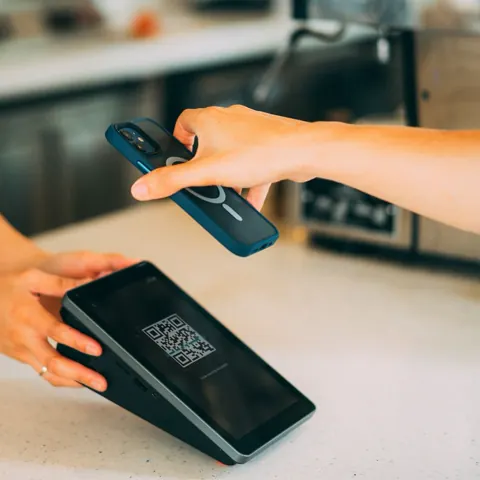
Sweden uses the Swedish krona, not the euro. Cards, contactless and mobile wallets are accepted almost everywhere, and many shops, cafés, museums and public transport systems no longer accept cash. Check that your Canadian card works for contactless payments abroad and confirm foreign-transaction fees. We do not publish hotel or restaurant prices; Sweden is generally an expensive destination.
Best Time to Visit
June to August brings long daylight, midsummer celebrations and the best weather for the archipelago and hiking. Autumn colours arrive in September. Winter is dark and cold, especially in the north, but it is the season for northern lights, dog-sledding and the Icehotel, from roughly December to March. Spring can be changeable, with snow lingering in the north.
Getting There From Canada
Most itineraries from Canada to Stockholm or Gothenburg connect through European hubs such as Reykjavík, Copenhagen, London, Amsterdam or Frankfurt; seasonal direct flights have operated at times, so confirm current schedules. Some travellers fly into Copenhagen and cross to Malmö by train in about half an hour. Kiruna and other northern towns are reached by domestic flights or overnight trains. A Sweden eSIM will not cover a layover in another country unless that country is listed.
Getting Around
Trains from SJ and other operators link Stockholm, Gothenburg and Malmö, and overnight trains run to the far north. Stockholm has a metro, commuter trains, trams, buses and ferries, all ticketed through the SL app or contactless. Archipelago ferries need tickets bought in advance in summer. Driving is easy outside cities, but winter conditions in the north require experience and proper tires.
Mobile Networks and Coverage
Telia, Tele2, Telenor and Tre provide strong 4G and wide 5G coverage in cities, towns and along main roads and rail lines. Coverage is good across most of the archipelago and southern lakes. In the northern mountains and parts of Lapland, signal can be patchy or absent away from roads and settlements. Confirm the partner network, and download offline maps before hikes or long drives in the north.
eSIM Plan Advice by Trip Type
For Stockholm or Gothenburg alone, a Sweden plan is enough. For Scandinavia, choose a regional plan that lists Sweden, Denmark and Norway; Norway is outside the EU and not always included. For a northern lights trip, a moderate plan covers forecasts and maps, but cold weather can drain batteries quickly.
A Typical Trip
A typical first trip to Sweden spends three or four days in Stockholm, including a ferry to the archipelago, then takes the train to Gothenburg or crosses to Copenhagen from Malmö. Winter visitors often fly from Stockholm to Kiruna for the northern lights and the Icehotel. Data use is usually moderate: transit apps, maps, restaurant bookings and photo sharing. In Lapland, most use happens in towns and lodges, since excursions can be offline.
Practical Phone Tips
Useful phone habits for Sweden: install the SL app for Stockholm transit, the SJ app for national trains, and Västtrafik for Gothenburg and the west coast. Swish, a mobile-payment system, is common between Swedes, but visitors cannot usually use it without a Swedish bank account; a card works instead. Many restaurants and attractions rely on online booking, and archipelago ferries sell out on summer weekends. Weather and aurora forecast apps are popular in Lapland. Most hotels, trains and cafés offer Wi-Fi. The emergency number 112 works throughout Sweden. On the Kungsleden and other northern trails, mountain huts and stations may have limited or no signal, so carry offline maps and a power bank.
Tips for Canadians
Keep your Canadian number active for calls and bank verification texts. Because so much in Sweden runs on cards and apps, plan to have data and a working payment method from the moment you land.
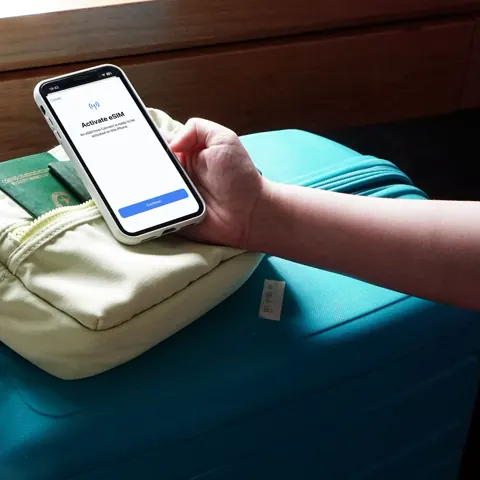
Install the eSIM at home, switch data to it after landing and turn off roaming on the Canadian line. Add your cards to a mobile wallet before you go.
Confirm your phone is unlocked, check the plan's validity start, and list every Nordic country on your route.
Safety and Connectivity
Follow current Government of Canada travel advice for Sweden at travel.gc.ca; we do not invent risk scores. Sweden is generally safe, with petty theft the main issue in crowded city areas. In the north, the main risks are cold, darkness and remote terrain: dress for the conditions, check the weather and tell someone your plans.
What Canadians Should Also Know
- Sweden is largely cashless; check your Canadian card works for contactless payments abroad.
Frequently Asked About eSIMs in Sweden
Do I need cash in Sweden?
Is Sweden included in Europe eSIM plans?
Will my eSIM work in Swedish Lapland?
Can I use my eSIM on archipelago ferries?
Compare Plans for Sweden
These providers list Sweden on their own sites. Confirm price, validity, data allowance and network before you buy. Order is fixed; providers cannot pay for position. Some links earn us a commission at no cost to you. Disclosure.
- Airalo View Plans
- Yesim View Plans
- Drimsim View Plans
- GigSky See Similar Plans at Yesim
Where This Coverage Data Comes From
| Provider | Source | Checked |
|---|---|---|
| Airalo | Airalo Sweden page | 18 November 2026 |
| Yesim | Yesim Sweden page | 18 November 2026 |
| Drimsim | Drimsim Sweden page | 18 November 2026 |
| GigSky | Similar plans at Yesim Source: gigsky.com/country/esim-in-sweden | 18 November 2026 |
A provider listing a destination does not guarantee coverage everywhere in it. Rural, mountain and offshore areas can have gaps.
How Much Data to Buy for Sweden
For maps, messaging and bookings, most travellers use roughly 0.25–0.5 GB a day. Add more for video calls, social uploads or hotspot use. These are estimates, not provider figures. Use the data calculator for a personal estimate.
More Destinations in Europe
- eSIM for Austria
- eSIM for Belgium
- eSIM for Czech Republic
- eSIM for Denmark
- eSIM for Hungary
- eSIM for Malta
- eSIM for Norway
- eSIM for Poland
 eSIM for Austria
 eSIM for Belgium
 eSIM for Czech Republic
 eSIM for Denmark
 eSIM for Hungary
 eSIM for Malta
 eSIM for Norway
 eSIM for Poland
All destinations · What is an eSIM? · Phone compatibility · eSIM vs roaming