- Recommended
- Check availability first — confirm availability before you buy
- Region
- Asia-Pacific
- Major networks
- China Mobile · China Unicom · China Telecom
- Country code
 CN
Overview

China is a check-first destination, not a routine country-plan purchase. China Mobile, China Unicom and China Telecom are the major mainland networks, but many travel eSIMs route data through a gateway outside mainland China, so the experience can differ from a local SIM. Confirm, on the provider's site, that mainland China is listed — and do not assume a Hong Kong plan will cover Beijing or Shanghai. Follow local laws.
Top Cities and Places in China
Beijing and Shanghai are the usual first cities for visitors from Canada, with Shenzhen often on a Pearl River Delta itinerary. Where a mainland plan exists, those cities are the places travellers usually stay in coverage. This is still a check-first destination: confirm that the provider lists mainland China, and do not assume a Hong Kong plan will cover Beijing or Shanghai. Follow local laws, and set up the maps, payments and messaging you will rely on before you fly.



Regions

China is continental in scale, and a first trip from Canada usually covers one or two regions, not a lap of the whole country. The east-coast cities include Shanghai, a common international arrival, and, further north, Beijing, the capital and the other classic first city, with the Great Wall as a day trip from there rather than a separate region. The south includes Guangzhou and Shenzhen in the Pearl River Delta, close to Hong Kong, which is a different immigration and eSIM problem — confirm Hong Kong as its own destination if you will cross. Inland, Xi'an is the usual historic add-on from Beijing, and Chengdu is a southwestern city base. Yunnan, Sichuan's mountains, the Li River around Guilin, and the far west are longer, more specialist itineraries.
Coverage is generally strong in the large cities and along the main high-speed-rail corridors, and more variable in mountains, rural western areas, and some park regions. You usually do not need a different eSIM product for Shanghai versus Beijing, but you should confirm that a China travel eSIM is actually offered for your dates, which network it uses, and whether it will work for the apps you rely on. Hong Kong, Macao and Taiwan are not automatically the same product as mainland China; confirm each territory on the country list.
People and Demographics

China has a population of around 1.4 billion; confirm the latest official figure if you need a current total. Standard Chinese (Mandarin, Putonghua) is the official national language and the language of most travel, signs and high-speed-rail announcements. Other languages and dialects, including Cantonese in Guangdong and in parts of the south, are widely spoken at home; as a visitor you will still conduct most business in Mandarin or, in international hotels, English. English is limited outside major hotels, some airports and a subset of restaurants in Beijing and Shanghai. A translation app can help, but you should confirm whether the app you use actually works on the connection you will have.
The religious and philosophical landscape includes Buddhism, Taoism, folk practices, a large secular share, and recognised minority religions including Islam and Christianity in some regions; this is background, and it varies by place. Beijing and Shanghai are the visitor magnets. Other huge metros include Guangzhou, Shenzhen, Chengdu, Chongqing and many more. The photographs on this page follow a common first-trip pattern: Beijing, Shanghai, and a historic or landscape add-on such as the Wall or a southern river town. Population and mobile capacity are concentrated in those eastern and central metros; some western and mountain areas are more sparsely inhabited.
Currency and Costs
The currency is the Chinese yuan (renminbi). Cash is less central than it once was, because domestic mobile-payment systems dominate everyday transactions, but a visitor should not assume that a Canadian card or a foreign app will work everywhere. Confirm, before you travel, how you will pay for taxis, small restaurants, tickets and shops — including whether your bank card will work, whether cash is still useful, and whether any visitor payment programme has changed. We do not invent workarounds, and we do not publish unofficial exchange methods.
We also do not publish hotel or restaurant prices. Beijing and Shanghai have a wide range of price levels; peak-season historic towns and some domestic-holiday weeks can be expensive — confirm current prices for your dates. For the eSIM, confirm the plan price on the provider's site, and confirm what the connection can and cannot reach. A mainland China plan should not be assumed to cover Hong Kong or Macao, and a Hong Kong plan should not be assumed to cover the mainland.
Best Time to Visit

Spring and autumn are the most comfortable seasons for Beijing and much of northern China, with more pleasant walking weather than midsummer heat or midwinter cold. Summer is hot and humid in Shanghai and much of the south, and can be hot in Beijing, with a rainy-season pattern in some regions; it is also a busy domestic travel time. Winter is cold and dry in Beijing, milder in the south, and can be a quieter time for some sites if you accept short days. Confirm regional forecasts; the country does not have one climate.
Golden Week around National Day in early October, and the Lunar New Year period, are the busiest domestic travel times; confirm dates if you want to avoid crowded trains and sites. For an eSIM, a one- or two-week city circuit is a simple validity window, but the more important pre-trip task is to confirm that the plan, your phone, and the apps you need will actually work in China. A trip that adds mountains or a western region is when you should also download offline maps and confirm coverage.
Getting There From Canada
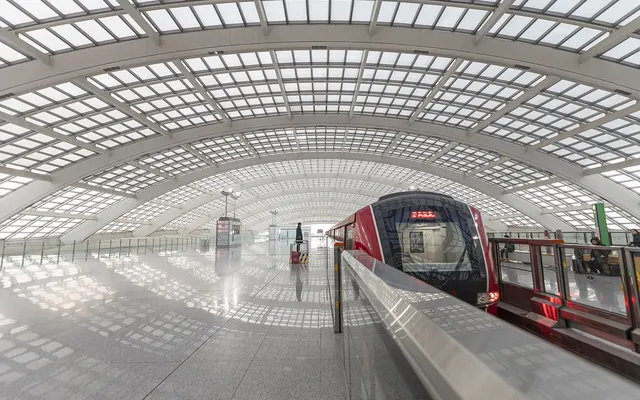
Toronto Pearson (YYZ) and Vancouver (YVR) have had direct or one-stop flights to Beijing, Shanghai and sometimes other Chinese cities; YVR is particularly strong for East Asia. Montréal–Trudeau (YUL) more often connects, sometimes through Europe, the US or another Asian hub. Confirm current schedules, because long-haul routes to China have changed more than most in recent years. If you connect through another country, a China eSIM will not cover that layover unless the plan lists the layover country.
Beijing, Shanghai and Guangzhou all work as first cities, depending on the circuit; confirm which airport your ticket uses, because those cities have more than one, and confirm the transfer into the centre. If the ticket includes Hong Kong, treat that as a separate immigration and connectivity stop. Entry rules, visas and any transit-without-visa programmes for Canadian citizens have changed and should be confirmed on official sites before you fly. A travel eSIM does not replace a visa or a passport. Confirm official advice.
Getting Around
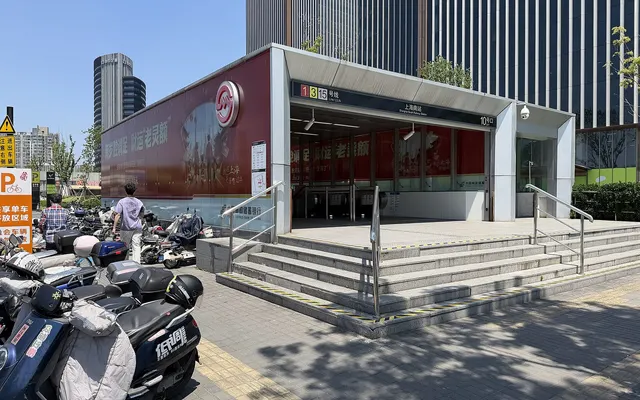
In Beijing and Shanghai, metros, some buses, official taxis and, where they are usable for visitors, ride-hailing apps are how many people move around; a working data path and a confirmed payment method both matter. Between cities, high-speed rail is often the best tool on the main corridors. Domestic flights cover the longer hops. A rental car with a foreign licence is not the casual option it is in some other countries; confirm current rules rather than assuming you can self-drive.
Download offline maps before you leave a city, and do not assume every map or ride-hailing app will work in the same way it does at home — confirm the tools you will actually use. Coverage can dip in mountains and rural west. If you will enter Hong Kong or Macao, confirm a plan that lists those territories, or buy a second eSIM, because the border is a real network and policy line. Keep a portable charger with you on long metro and site days.
Mobile Networks and Coverage
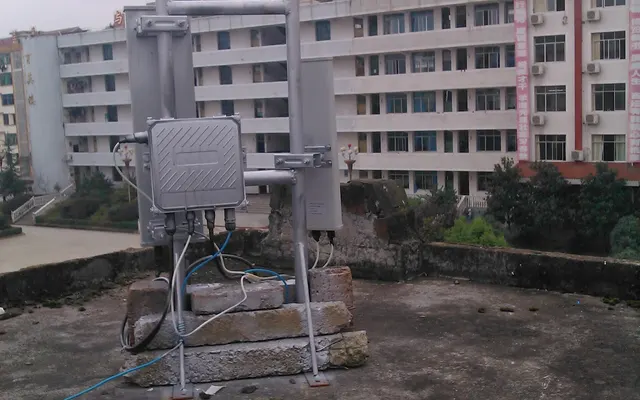
Where a mainland plan exists, large cities such as Beijing, Shanghai and Shenzhen are the places travellers usually stay in coverage. We do not publish a coverage claim for the whole country. Confirm the partner or routing the provider actually uses. A Hong Kong eSIM is a different product and should be confirmed separately if you will cross that border.
eSIM Plan Advice By Trip Type

Buy a mainland China plan only after you confirm it is offered. If your trip also includes Hong Kong, confirm whether you need two plans or one combined product that lists both. Confirm validity start, hotspot rules, and any provider notes about apps or routing. We do not invent workarounds.
Tips for Canadians

Flights from Canada often arrive in Beijing or Shanghai, sometimes via another hub. A China eSIM will not cover a US or Europe layover. Confirm a transit option if you need one. Your Canadian number may not behave the same way as on a typical trip; confirm roaming and messaging with your carrier. This is a destination where confirmation comes before any other planning step.
Set up payment, maps and messaging apps you will rely on before departure, while you still have your usual connections. Install the eSIM at home if the provider allows it, and confirm when validity starts. Keep your Canadian line for calls and codes, and turn Canadian data roaming off unless you have confirmed that your carrier supports roaming in mainland China and what it costs.
Confirm mainland China is listed on the plan before you pay. Set up payment, maps and messaging apps while you still have your usual connections in Canada. Install the eSIM at home if the provider allows it, and confirm when validity starts. Keep the Canadian line, and turn Canadian data roaming off unless you have confirmed that your carrier supports roaming in mainland China and on what terms. A China eSIM will not cover a US or Europe layover.
Safety and Connectivity Tips
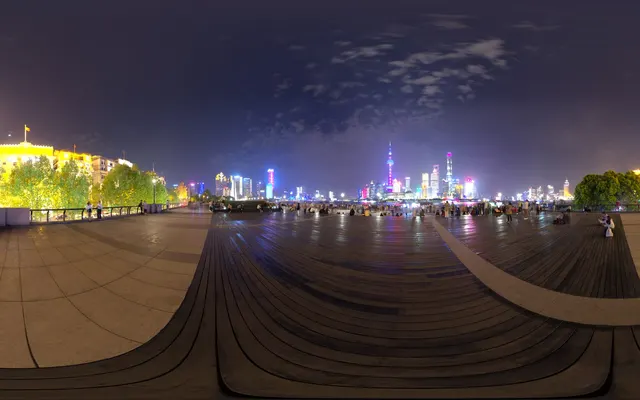
Follow current official travel advice for China; guidance can differ by region, and we do not invent risk scores. In the large cities, ordinary caution around crowded stations and tourist sites still applies. Emergency numbers and procedures may differ from Canada; confirm them with your hotel. For connectivity, the important safety habit is pre-trip confirmation: which eSIM works, which apps will reach a family member, how you will pay, and how you will receive a Canadian verification text. Do not assume a Canadian messaging or banking app will behave as it does at home.
Keep your Canadian line installed if your phone allows it, set mobile data to the China eSIM only after you have confirmed that this is the connection you want to use, and turn data roaming off on the Canadian line unless you have confirmed a carrier pack. Wi-Fi calling and some Canadian services may not work as expected; confirm with your carrier, and have a backup way to reach someone. A travel eSIM is not travel insurance and is not a substitute for official advice. Confirm visa, payment and connectivity details close to departure.
What Canadians Should Also Know
- Travel eSIMs often route data through a gateway outside mainland China, so the experience can differ from a local SIM. Follow local laws.
- Set up payment, maps and messaging apps you will rely on before departure.
Frequently Asked About eSIMs in China
Will a Hong Kong eSIM work in Beijing or Shanghai?
Why do some travel eSIMs behave differently in mainland China?
How Much Data to Buy for China
For maps, messaging and bookings, most travellers use roughly 0.25–0.5 GB a day. Add more for video calls, social uploads or using your phone as a hotspot. These figures are a starting point, not a measured study and not a provider quote. Confirm plan sizes on the provider's site.
| Trip | Light use | Moderate | Heavy |
|---|---|---|---|
| 1 week | 2–3 GB | 5 GB | 10 GB+ |
| 2 weeks | 3–5 GB | 10 GB | 20 GB+ or unlimited |
| 1 month | 5–10 GB | 20 GB | Unlimited |
Estimates, not provider figures. Use the compare tool for China for a personalised estimate.
Step-by-step dual-SIM settings: keep your Canadian number. For a broader look at carrier roaming versus a travel eSIM, see Canadian carrier roaming (confirm current rates in your account; we do not invent prices).
Compare Plans for China
Confirm price, validity, country list and network on the provider's site before you buy. Order below is fixed; providers cannot pay for position. Until a tracking link is configured, some buttons open an official-site interstitial rather than an earning link. Disclosure.
Opens Yesim in a new tab. We do not have a verified published price for this destination yet. Confirm the live price on the provider's site before you pay. You pay only the eSIM plan price; no carrier roaming charges.
- Yesim View plans
- Saily View plans
- Airalo View plans
- GigSky See Similar Plans at Yesim
- Drimsim View plans
- Holafly See Similar Plans at Yesim
- Nomad See Similar Plans at Yesim
- Maya Mobile See Similar Plans at Yesim
- Ubigi See Similar Plans at Yesim
- aloSIM See Similar Plans at Yesim
Open the compare planner for China.
Airport Transfers
- Kiwitaxi View offers
- Welcome Pickups View offers
Car Rentals
- Localrent View offers
- GetRentacar View offers
- QEEQ View offers
- Economybookings View offers
Tours and Tickets
- Tiqets View offers
- Klook View offers
- WeGoTrip View offers
Flight Delay Claims
- AirHelp View offers
Flights
- Aviasales View offers
 eSIM for Japan
 eSIM for South Korea
 eSIM for Hong Kong
 eSIM for Thailand
 eSIM for Vietnam
 eSIM for Philippines