- Recommended
- Check availability first — confirm availability before you buy
- Region
- Caribbean
- Major networks
- Cubacel (ETECSA)
- Country code
 CU
Overview
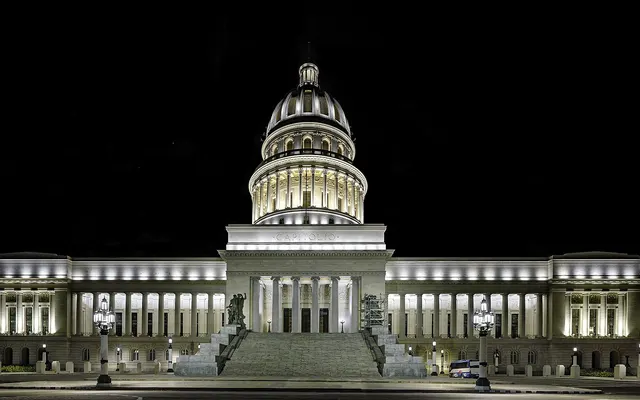
Cuba is not a routine travel-eSIM market. ETECSA, whose mobile brand is Cubacel, is the only local mobile operator, and many of the providers we list do not sell a Cuba plan at all. The first step is not choosing a data size — it is confirming, on the provider's site, that Cuba is actually offered. If it is not listed, do not assume a regional Caribbean or Latin America plan will include it. Buy only after that confirmation, and plan a backup.
Top Cities and Places in Cuba
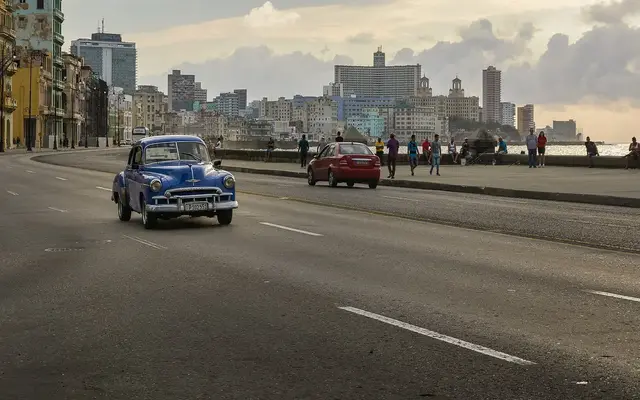
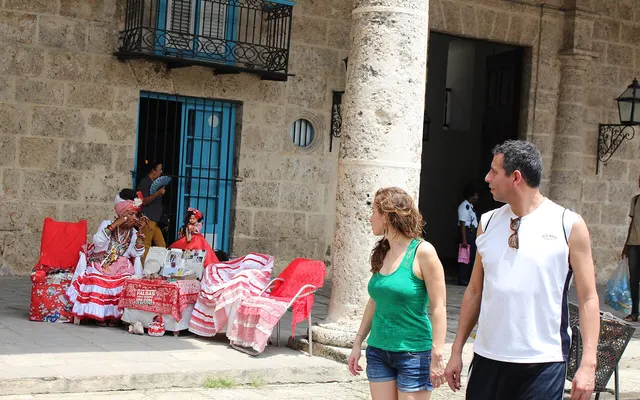
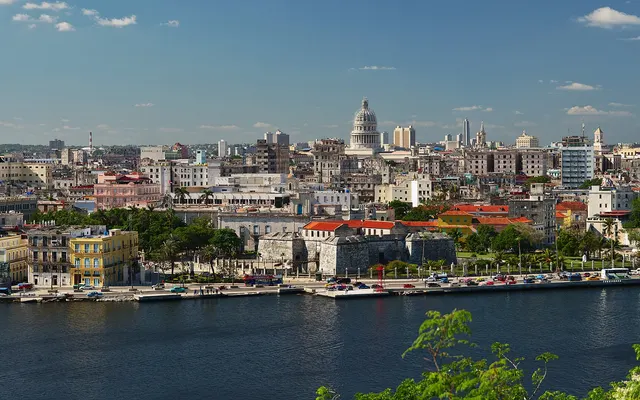
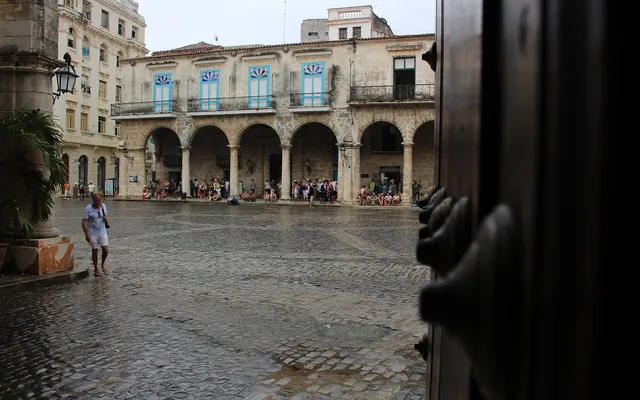
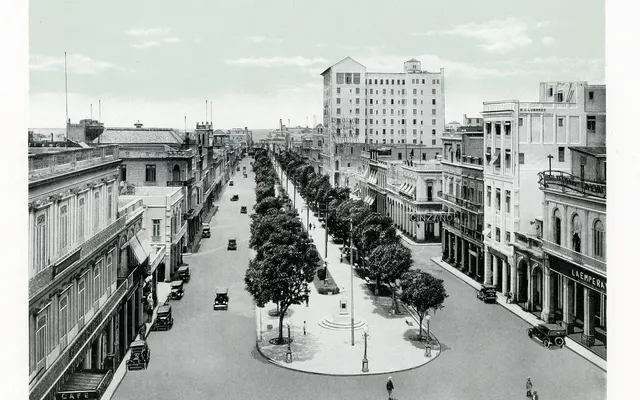
Havana is the usual first landing: the Malecon photograph on this page, Old Havana streets, and then sometimes Trinidad or Vinales. The constraint is not which neighbourhood looks scenic — it is whether a travel eSIM for Cuba is offered at all, and whether hotel or ETECSA Wi-Fi will be your backup. Download offline maps for Havana, Trinidad or Vinales before you fly.
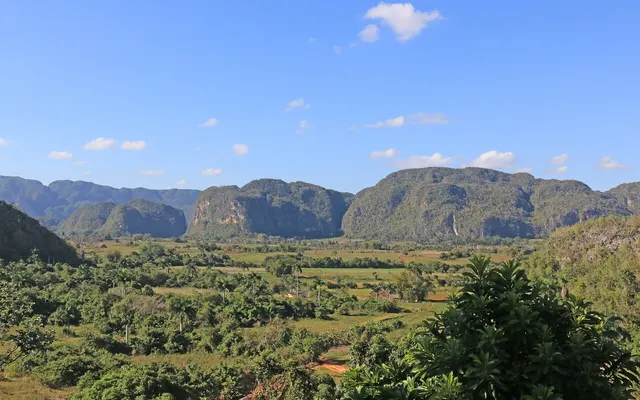
Regions
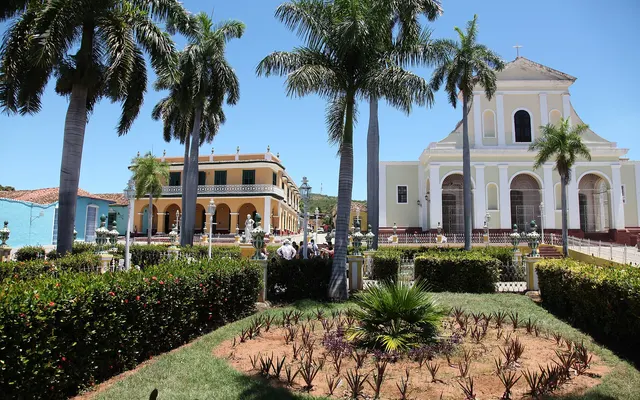
Cuba is an archipelago in the Caribbean, with the main island running long and relatively narrow, plus the Isla de la Juventud and many smaller cays. Visitor geography is usually organised around a few clusters rather than a complete circuit. Havana, on the northwest coast, is the capital and the first stop for many independent travellers; the hero photograph on this page is from there. West of the city, Viñales is the usual countryside and valley excursion. East along the north coast, Varadero is the main all-inclusive beach strip. Further east, other north-coast and island resort zones exist, and they are not all the same transfer from Havana.
Trinidad, in the south-central part of the island, is the colonial-town stop on many circuits, with the nearby Valle de los Ingenios and a coast that is separate from Varadero. Santiago de Cuba and the east are a longer journey and a different historical landscape. Some cays and resort islands are reached by causeway or short flight. Coverage, cash access and transport quality are not uniform across these regions, which is why a Havana-only plan of simply using hotel Wi-Fi can fail you in Viñales or on a road day to Trinidad. Confirm the partner network and do not assume a resort's signal is the same as the city's.
People and Demographics
Cuba has a population of around 11 million; confirm the latest official figure if you need a current total. Spanish is the official language and the language of almost all daily life. English is limited outside hotels, some paladares in visitor areas, and parts of Havana's tourist centre. A few words of Spanish help more here than in many other Caribbean destinations. The population is culturally mixed, with Spanish, African and other roots visible in everyday life, music and religion. Christianity, particularly Catholicism, has a long presence, alongside other traditions including Santería; this is background, not a planning constraint for an eSIM.
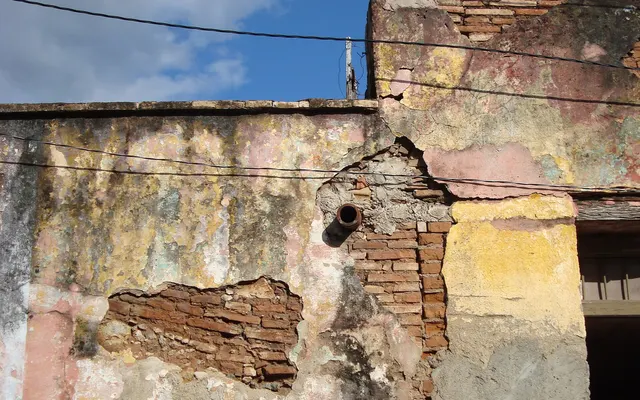
Havana is by far the largest city. Santiago de Cuba is the main city of the east. Other sizable cities include Camagüey, Holguín and Santa Clara, which most short Canadian holidays only pass through, if at all. Varadero and some cays have a visitor economy that is large relative to the resident population. The photographs on this page — Havana, Viñales and Trinidad — match the independent-travel pattern better than a single-resort week, but both kinds of trip are common from Canada.
Currency and Costs
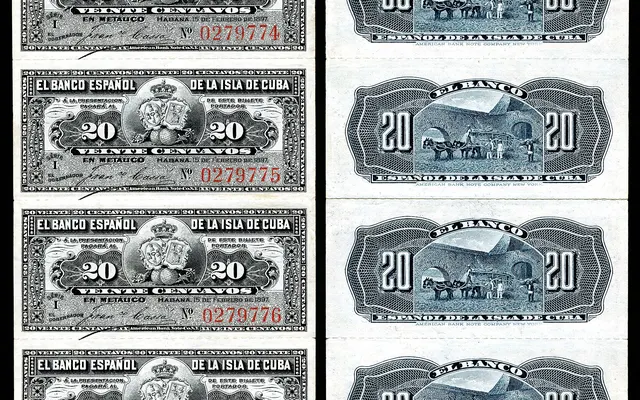
Cuba's currency situation has changed in recent years and should be confirmed before you travel, not memorised from an older guidebook. The Cuban peso (CUP) is the national currency after the earlier dual-currency period ended in 2021; other arrangements, including the use of foreign currency in some tourist payments, have also been in flux. Confirm current cash, card and exchange rules from official or recent reliable sources. Many Canadian cards do not work in the way they would in Mexico or Europe, and informal exchange is a poor idea.
We do not publish prices. All-inclusive resorts bundle a lot of daily costs, which can make a Varadero week look simple, while an independent Havana and Trinidad trip is more cash- and booking-intensive. Bring a payment plan you have actually confirmed, and a little more cash buffer than you would take to a card-friendly country, without carrying all of it in one place. For connectivity, the same caution applies: confirm whether a travel eSIM for Cuba is actually offered for your dates, which local network it uses, and whether hotel Wi-Fi will be your fallback. Do not invent a coverage or payment assumption.
Best Time to Visit
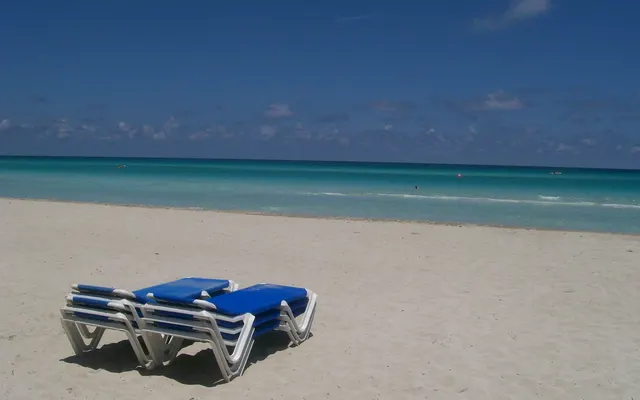
The driest and most popular period for many Canadian visitors is the northern winter, roughly December through April, when people are leaving cold weather at home. That is also high season in Havana and in the beach resorts. The wetter period generally runs from late spring through autumn, and the Atlantic hurricane season, from early summer into autumn, can affect the island; confirm forecasts and travel insurance if you are booking then.
Summer is hot and humid. Shoulder months can be quieter in the cities, with the usual weather caveat. For an eSIM, the season is less important than a more basic question: confirm that a Cuba eSIM is available for your phone and dates at all. Some providers list Cuba and some do not, and local prepaid options or hotel Wi-Fi may still be part of the plan. A winter resort week has a short, defined window; a longer independent circuit should be planned with offline maps, because coverage and power can be uneven outside the main hotels.
Getting There From Canada
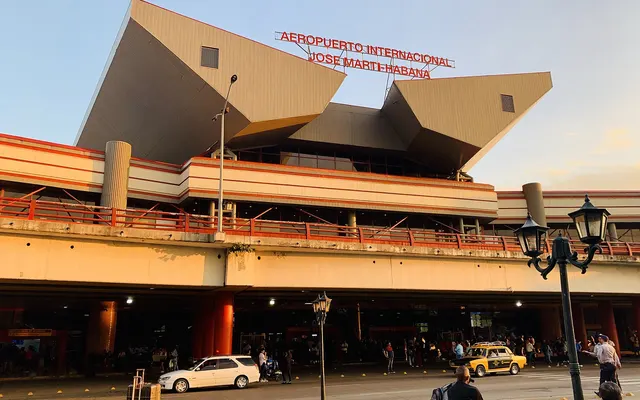
Toronto Pearson (YYZ) and Montréal–Trudeau (YUL) have long had direct or seasonal flights to Cuban resort airports, especially Varadero, and at times to Havana and other points; Vancouver (YVR) is more often a connecting itinerary. The exact list of cities, airlines and seasonal charters changes, so confirm current schedules rather than relying on last year's winter programme. Many travellers still arrive on a sun-destination package with an airport transfer included.
If you connect through a third country, a Cuba eSIM will not cover that layover unless the plan lists the layover country. Entry rules, insurance requirements and documentation for Canadian citizens have had specific conditions at times; confirm current official advice before you fly. A travel eSIM does not replace insurance, a passport or any required forms. Because payment and connectivity rules have also changed, it is worth confirming both in the same pre-trip check, not only the flight.
Getting Around
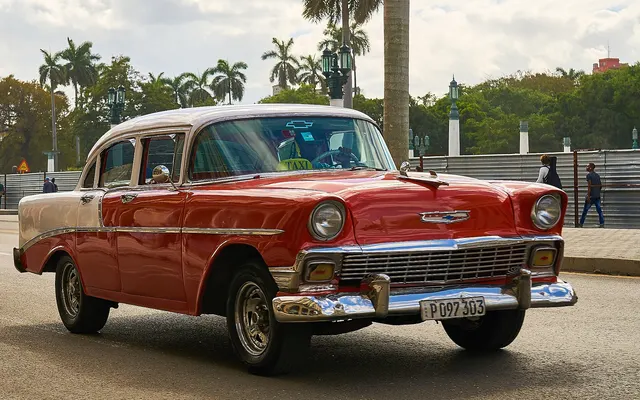
In Havana, walking, official taxis, some ride services where they exist, and organised day tours are the usual mix; confirm what is actually operating rather than assuming a North American ride-hailing app will work the same way. Viñales and Trinidad are often reached by organised transfer, private taxi or, for some travellers, a rental car or long-distance bus; road times are longer than a map first suggests. Varadero is often a closed-loop resort transfer from the airport.
Coverage and Wi-Fi can be uneven. Download offline maps, tickets and key contacts before you leave a hotel with a working connection. Power interruptions happen; a portable charger is more useful here than in many other destinations on this site. Confirm pickup arrangements in writing or with a screenshot, because you may not have a signal when you need to message a driver. Do not treat a travel eSIM as guaranteed rural coverage on a cross-island drive.
Mobile Networks and Coverage
Where a Cuba eSIM exists, it uses the single national network. Coverage is more usable in Havana and other cities than in rural areas. We do not publish coverage claims beyond that. Hotel Wi-Fi and ETECSA public Wi-Fi hotspots remain important backups. Download offline maps, boarding passes, reservations and any documents you will need before you arrive.
eSIM Plan Advice By Trip Type
Treat Cuba as a check-first destination, not a standard country-plan purchase. If a provider lists Cuba, confirm the validity period, whether the plan is data-only, and whether hotspot use is allowed. If no provider you trust lists Cuba, use official local options and Wi-Fi instead of forcing a purchase. We do not invent a workaround or unofficial reseller link.
Tips for Canadians
Canadian travellers should assume more friction than on a typical Caribbean trip. Confirm both eSIM availability and your Canadian carrier's roaming position before you go. Your Canadian number may still receive SMS when a local data path is working or when you are on Wi-Fi; confirm expected behaviour with your carrier. A Cuba trip is one of the cases where a travel eSIM might not be for sale, and the honest move is to say so.
Set up anything you can on Wi-Fi at home: maps, translation packs, hotel addresses and offline copies of tickets. In Cuba, plan to use Wi-Fi access as ETECSA arranges it, and confirm current rules and locations closer to travel — these details change. Do not rely on a single app that needs constant data. Keep your Canadian line installed, but turn data roaming off unless you have confirmed that your Canadian carrier actually supports roaming in Cuba and what it costs.
Confirm, on the provider's site, that Cuba is listed before you pay. Many travel eSIM catalogues skip it. Set up maps, translation and any tickets on Wi-Fi at home. Keep a plan for hotel or ETECSA hotspot Wi-Fi if the eSIM does not exist or does not connect. Do not invent a workaround that depends on a network the provider does not sell.
Safety and Connectivity Tips
Follow current official travel advice for Cuba, including any notes on health, insurance and documentation; we do not invent risk scores. The usual habits apply in crowded visitor areas: keep valuables in sight, use official taxis, and confirm excursion operators. For connectivity, assume you will sometimes be offline. Share your day's plan with someone, keep a charger with you, and do not rely on a banking app working at the moment you need it — confirm a cash and payment plan in advance.
If a Cuba eSIM is available, install it, keep your Canadian line for calls and verification if your phone allows it, and turn data roaming off on the Canadian line unless you have confirmed a carrier pack that actually covers Cuba (many do not in a useful way — confirm). Wi-Fi calling may work when you have hotel Wi-Fi; confirm that with your carrier. A travel eSIM is not insurance and is not a substitute for official advice. Confirm the current payment and SIM situation closer to departure, because this is a destination where older assumptions go stale.
What Canadians Should Also Know
- ETECSA (Cubacel) is the only mobile operator, and many travel eSIM providers do not sell Cuba plans. Confirm Cuba is listed before you pay.
- Plan for Wi-Fi at hotels and ETECSA hotspots as a backup, and download offline maps before departure.
Frequently Asked About eSIMs in Cuba
Why do so many eSIM shops omit Cuba?
What should I do if no Cuba eSIM is available?
How Much Data to Buy for Cuba
For maps, messaging and bookings, most travellers use roughly 0.25–0.5 GB a day. Add more for video calls, social uploads or using your phone as a hotspot. These figures are a starting point, not a measured study and not a provider quote. Confirm plan sizes on the provider's site.
| Trip | Light use | Moderate | Heavy |
|---|---|---|---|
| 1 week | 2–3 GB | 5 GB | 10 GB+ |
| 2 weeks | 3–5 GB | 10 GB | 20 GB+ or unlimited |
| 1 month | 5–10 GB | 20 GB | Unlimited |
Estimates, not provider figures. Use the compare tool for Cuba for a personalised estimate.
Step-by-step dual-SIM settings: keep your Canadian number. For a broader look at carrier roaming versus a travel eSIM, see Canadian carrier roaming (confirm current rates in your account; we do not invent prices).
Compare Plans for Cuba
Confirm price, validity, country list and network on the provider's site before you buy. Order below is fixed; providers cannot pay for position. Until a tracking link is configured, some buttons open an official-site interstitial rather than an earning link. Disclosure.
Opens Yesim in a new tab. We do not have a verified published price for this destination yet. Confirm the live price on the provider's site before you pay. You pay only the eSIM plan price; no carrier roaming charges.
- Yesim View plans
- Saily View plans
- Airalo View plans
- GigSky See Similar Plans at Yesim
- Drimsim View plans
- Holafly See Similar Plans at Yesim
- Nomad See Similar Plans at Yesim
- Maya Mobile See Similar Plans at Yesim
- Ubigi See Similar Plans at Yesim
- aloSIM See Similar Plans at Yesim
Open the compare planner for Cuba.
Airport Transfers
- Kiwitaxi View offers
- Welcome Pickups View offers
Car Rentals
- Localrent View offers
- GetRentacar View offers
- QEEQ View offers
- Economybookings View offers
Tours and Tickets
- Tiqets View offers
- Klook View offers
- WeGoTrip View offers
Flight Delay Claims
- AirHelp View offers
Flights
- Aviasales View offers
 eSIM for Mexico
 eSIM for Dominican Republic
 eSIM for Jamaica
 eSIM for Costa Rica
 eSIM for Colombia
 eSIM for Peru