- Recommended
- Country plan
- Region
- Latin America
- Major networks
- Claro · Movistar · Tigo
- Country code
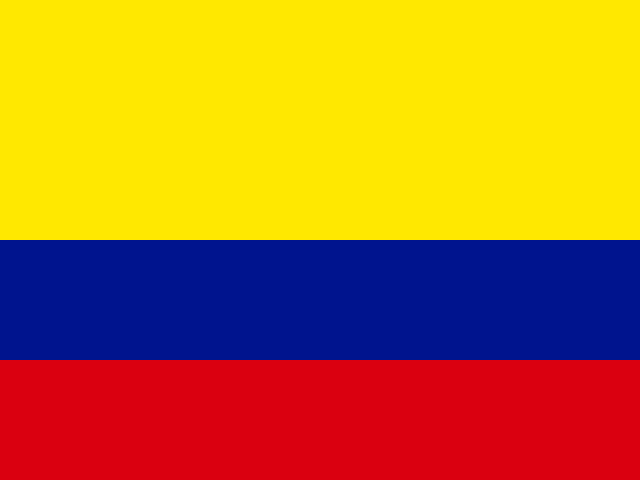 CO
Overview
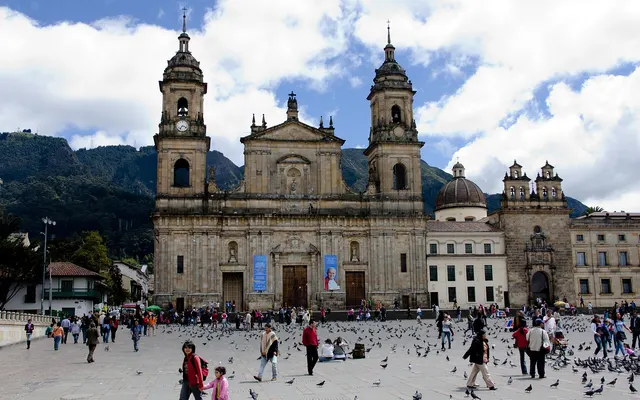
Colombia is a country-plan destination when it is your only stop, and a regional-plan candidate when it is one country on a longer South American route. Claro, Movistar and Tigo are the major networks. Cities such as Bogotá, Medellín and Cartagena are generally well served; mountain roads, coffee-region drives and some coastal stretches can be less consistent. Confirm the partner network on the plan page.
Top Cities and Places in Colombia
Most visitors move between Bogota, Medellin and Cartagena, sometimes with a coast or coffee-region leg. Those three cities are generally the strong part of the coverage picture. Mountain roads and some coastal parks are where you should confirm Claro, Movistar or Tigo and keep offline maps. A South America regional plan is only simpler if another country on your ticket is actually listed.

Regions

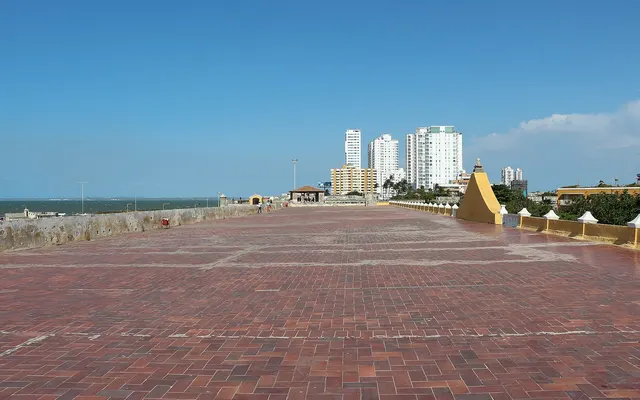
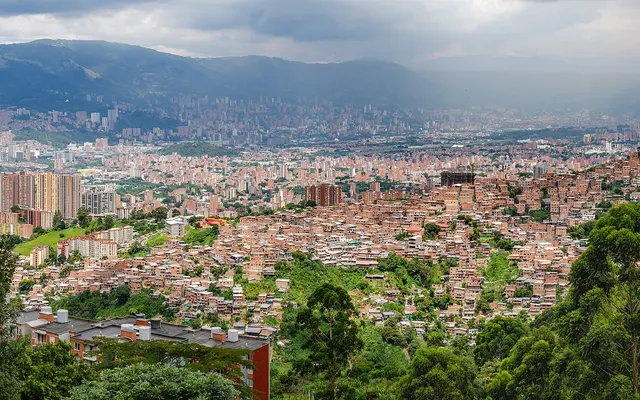
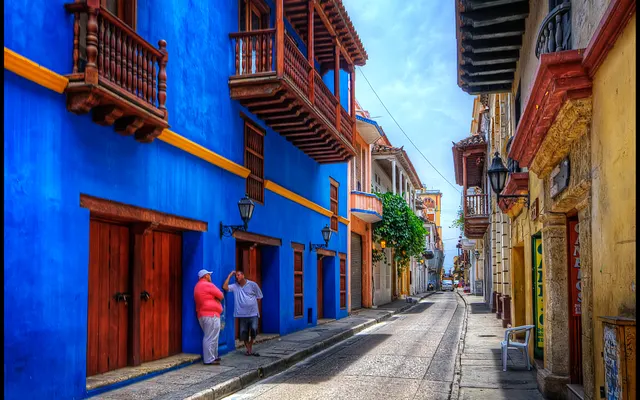
Colombia sits at the top of South America, with coasts on both the Caribbean and the Pacific, and a mountainous interior that defines how people actually travel. Canadian trips usually pick one or two regions. The Andean interior includes Bogotá, the high capital, and a coffee-region circuit around places such as Salento, which is a different climate and altitude from the coast. Medellín, in a valley of the central Andes, is a city-and-nearby-pueblos trip rather than a beach week. The Caribbean coast is a separate plan: Cartagena — the setting of this page's hero photograph — plus nearby islands and, further along the coast, towns that are not a short hop from the walled city.
The Pacific coast and the south, including areas toward Cali or inland parks, are less common on a first short holiday and should be planned with current local advice. Distances that look modest on a map can be slow by road because of mountains. Coverage is generally strongest in the large cities and in Cartagena, and more variable in the coffee hills, on coastal roads, and in parks. You usually do not need a different eSIM product for Bogotá versus Cartagena, but you should confirm the partner network — Claro generally has a wide national footprint, with Movistar and Tigo also widely used — if you will travel between regions by road.
People and Demographics
Colombia has a population of around 50 million; confirm the latest official figure if you need a current total. Spanish is the official language and the language of almost all daily life. English is limited outside hotels, some restaurants in Cartagena and Medellín, and parts of Bogotá's business districts. A little Spanish helps more here than in a Mexican resort corridor. The population is predominantly Christian, mostly Catholic, with a growing Protestant share and other communities. This shapes some public holidays and city rhythms more than it shapes an eSIM plan.
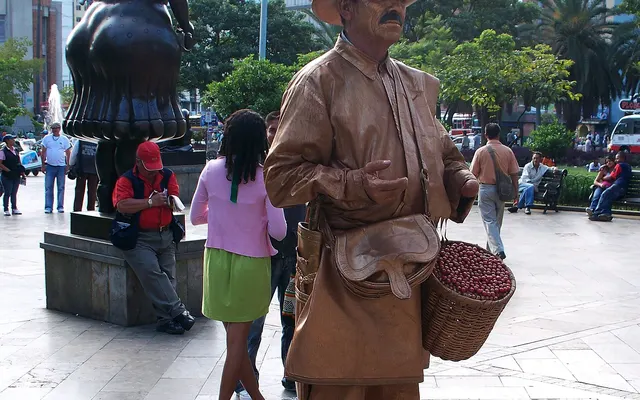
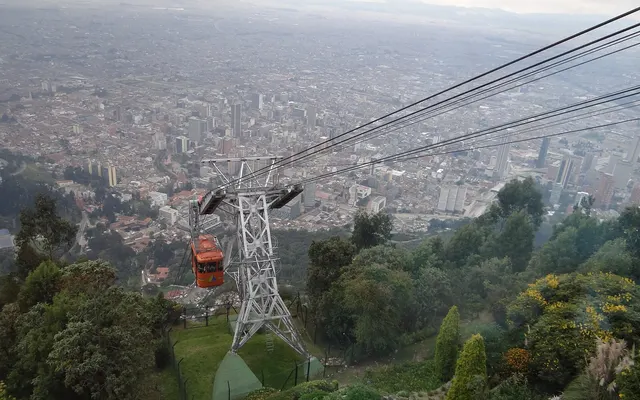
Bogotá is the largest city. Medellín and Cali are the next-largest traditional metros; Barranquilla and Cartagena are the main Caribbean urban centres. The photographs on this page follow a common first-trip pattern: Cartagena, Bogotá, and the coffee region around Salento. Population — and therefore mobile capacity — is concentrated in those metros and in a set of mid-size Andean cities. Rural mountain and some coastal stretches are more sparsely inhabited, which is one reason coverage can thin out between them.
Currency and Costs

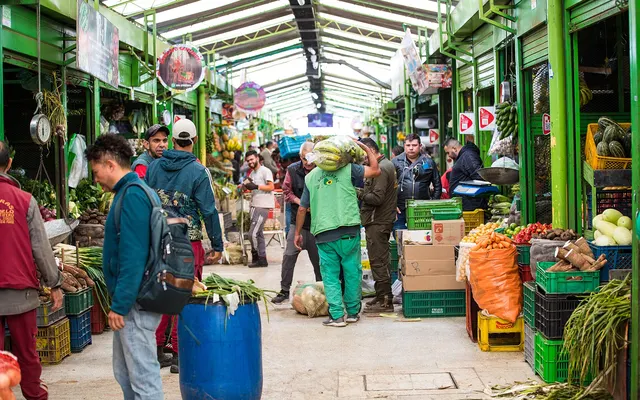
The currency is the Colombian peso. Cards are widely accepted in cities, hotels and many restaurants. Cash is still useful for small cafes, some taxis, markets and smaller towns in the coffee region. ATMs are common in the main cities; confirm fees with your Canadian bank, and use machines in bank or mall settings when you can. We do not publish hotel or restaurant prices. Colombia can be good value compared with some neighbouring destinations, but tourist neighbourhoods in Cartagena and popular lodges in coffee country have their own price level — confirm current prices for your dates.
For the eSIM, confirm the plan price and validity on the provider's site. If you will also visit Panama, Ecuador or another neighbour, confirm a regional plan or a second country plan; a Colombia eSIM will not cover those countries by default. Do not rely on informal money changers. As with any destination, we do not invent exchange-rate forecasts.
Best Time to Visit
Colombia sits near the equator, so seasons are less about hot-versus-cold than about wetter and drier periods, and those periods are not the same on the Caribbean coast, in Bogotá, and in the coffee hills. Many visitors aim for drier stretches in the regions they will actually visit; confirm regional forecasts rather than a single national slogan. Bogotá is cool for its latitude because of altitude; Cartagena is hot and humid; the coffee region sits in between.
July, August and the December–January period can be busier in some visitor areas because of school and holiday travel in the region and from abroad; confirm events if you want to avoid crowds. For an eSIM, a one-city week is a simple validity window. A trip that combines Cartagena with the coffee region or Medellín, with mountain roads in between, is when offline maps and a confirmed partner network matter more. Altitude in Bogotá is a health planning issue, not a connectivity one, but it is worth arriving with a working phone so you can reach a hotel or a clinic if you need to.
Getting There From Canada

Toronto Pearson (YYZ) has had direct or connecting service to Bogotá and, at times, to other Colombian cities; Montréal–Trudeau (YUL) and Vancouver (YVR) more often connect, sometimes through the US or through another Latin American hub. Confirm current schedules, because routes change. If you connect through the United States, a Colombia eSIM will not cover that layover unless the plan also lists the US.
Domestic flights are the normal way to combine Bogotá or Medellín with Cartagena; the road alternative is long. Confirm which city you actually land in on the international ticket. Entry rules for Canadian citizens have been relatively straightforward for short tourist stays in recent years, but they can change, and other passport holders should confirm visa requirements. A travel eSIM does not replace a passport or any required forms. Confirm official advice before you fly.
Getting Around

In Bogotá, Medellín and Cartagena, official taxis, ride-hailing where it operates, and, in the first two, metro or cable-car systems are how many visitors move around; a data path makes maps and pickups much easier. In the coffee region, a rental car, organised tours or short rural taxis are the usual mix, with slower mountain roads. Between regions, book a domestic flight rather than assuming a comfortable same-day road trip from the Andes to the Caribbean.
Download offline maps before you leave a city. Coverage can dip in the hills around Salento, on some coastal roads, and in parks. Confirm the pickup point for airport rides in a neighbourhood where your app actually works. Do not treat a travel eSIM as a safety device on a rural road at night. If your itinerary later enters Ecuador or Panama, switch to a plan that lists the next country, or buy a second eSIM.
Mobile Networks and Coverage
Urban coverage is the strong suit. Andean roads, national parks and some Caribbean or Pacific stretches can drop out. We do not invent coverage maps. If you will fly between cities, you will spend most of your time in well-served areas. If you will bus or drive between regions, confirm the network and keep offline maps for mountain legs.
eSIM Plan Advice By Trip Type
Choose a Colombia country plan if you will stay in Colombia. If Peru, Ecuador, Brazil or another neighbour is on the same ticket, look at a South America regional plan and confirm that every country you will enter is listed — including a short border hop. Confirm validity start so you do not use paid days while still at home.
Tips for Canadians

Flights from Canada usually arrive in Bogotá, Medellín or Cartagena, often via the US or another hub. A Colombia eSIM does not cover a US layover. Confirm a separate US or North America option if you need data in transit. Your Canadian number can stay on the main line; confirm voice and SMS roaming with your carrier.
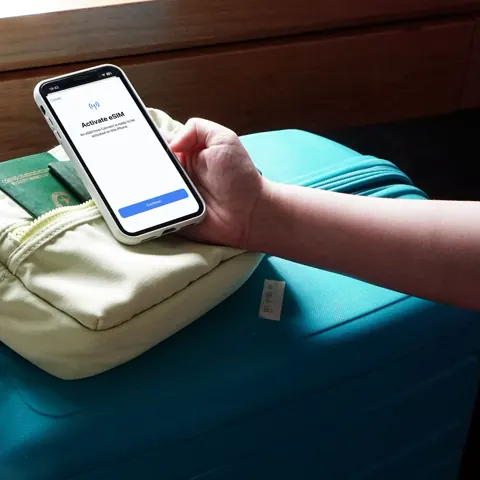
Install before you fly. Keep the Canadian line for calls and verification texts. Set mobile data to the eSIM on arrival and turn Canadian data roaming off. Ride-hailing and banking apps in the cities expect a working data path. Confirm hotspot rules if you will share the plan. Altitude, long bus days and indoor concrete can all weaken a signal; that is normal, not a reason to panic-buy a second plan.
Install at home, confirm validity start, and keep the Canadian line for calls and codes. Set data to the eSIM after landing and turn Canadian data roaming off. Ride-hailing in Bogota, Medellin and Cartagena needs a working data path; do not count on airport Wi-Fi once you leave the terminal. Confirm hotspot rules if you share a plan.
Safety and Connectivity Tips
Follow current official travel advice for Colombia; guidance can differ by department and neighbourhood, and we do not invent risk scores. In the usual visitor areas, the habits are familiar: use official taxis or a known ride-hailing app, keep valuables in sight in crowded old towns and on beaches, and confirm tour operators. Emergency numbers may differ from Canada; confirm them with your hotel. Be aware of altitude in Bogotá when you first arrive.
Keep your Canadian line installed for calls and banking texts, set mobile data to the Colombia eSIM after you arrive, and turn data roaming off on the Canadian line unless you have confirmed a carrier pack. Wi-Fi calling on the Canadian number may work on hotel Wi-Fi; confirm that with your carrier. Share your day's plan if you will travel between towns by road, and keep a portable charger with you. A travel eSIM is not travel insurance and is not a substitute for official advice.
What Canadians Should Also Know
- A South America regional plan makes sense if Colombia is one stop of several.
Frequently Asked About eSIMs in Colombia
Do I need a regional plan for a Colombia-only trip?
Is coverage the same in Cartagena and in the mountains outside Medellin?
How Much Data to Buy for Colombia
For maps, messaging and bookings, most travellers use roughly 0.25–0.5 GB a day. Add more for video calls, social uploads or using your phone as a hotspot. These figures are a starting point, not a measured study and not a provider quote. Confirm plan sizes on the provider's site.
| Trip | Light use | Moderate | Heavy |
|---|---|---|---|
| 1 week | 2–3 GB | 5 GB | 10 GB+ |
| 2 weeks | 3–5 GB | 10 GB | 20 GB+ or unlimited |
| 1 month | 5–10 GB | 20 GB | Unlimited |
Estimates, not provider figures. Use the compare tool for Colombia for a personalised estimate.
Step-by-step dual-SIM settings: keep your Canadian number. For a broader look at carrier roaming versus a travel eSIM, see Canadian carrier roaming (confirm current rates in your account; we do not invent prices).
Compare Plans for Colombia
Confirm price, validity, country list and network on the provider's site before you buy. Order below is fixed; providers cannot pay for position. Until a tracking link is configured, some buttons open an official-site interstitial rather than an earning link. Disclosure.
Opens Yesim in a new tab. We do not have a verified published price for this destination yet. Confirm the live price on the provider's site before you pay. You pay only the eSIM plan price; no carrier roaming charges.
- Yesim View plans
- Saily View plans
- Airalo View plans
- GigSky See Similar Plans at Yesim
- Drimsim View plans
- Holafly See Similar Plans at Yesim
- Nomad See Similar Plans at Yesim
- Maya Mobile See Similar Plans at Yesim
- Ubigi See Similar Plans at Yesim
- aloSIM See Similar Plans at Yesim
Open the compare planner for Colombia.
Airport Transfers
- Kiwitaxi View offers
- Welcome Pickups View offers
Car Rentals
- Localrent View offers
- GetRentacar View offers
- QEEQ View offers
- Economybookings View offers
Tours and Tickets
- Tiqets View offers
- Klook View offers
- WeGoTrip View offers
Flight Delay Claims
- AirHelp View offers
Flights
- Aviasales View offers
 eSIM for Mexico
 eSIM for Cuba
 eSIM for Dominican Republic
 eSIM for Jamaica
 eSIM for Costa Rica
 eSIM for Peru