- Recommended
- Regional plan (covers several countries — confirm the list)
- Region
- Europe
- Major networks
- KPN · Vodafone · Odido
- Country code
 NL
Overview
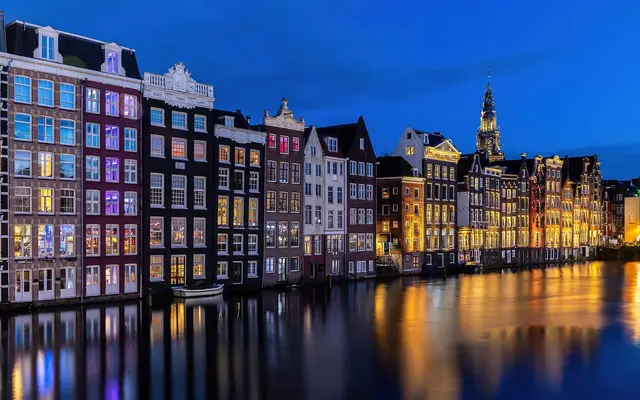
The Netherlands is a regional-plan destination when a Canadian trip continues into Germany, Belgium or the rest of Europe, and a country-plan option if the Netherlands is the only stop. KPN, Vodafone and Odido are the major networks. Coverage is dense nationwide compared with many other destinations we cover, which means the main decision is plan type, not whether you will have a signal in Amsterdam versus a smaller city. Still confirm the partner network on the plan page.
Top Cities and Places in Netherlands
Amsterdam is the usual first stop, with Rotterdam, Utrecht and sometimes a shorter countryside or coastal day. Coverage is dense nationwide compared with many other destinations in this guide, so the main choice is rarely a coverage gamble — it is whether a Netherlands country plan or a Europe regional plan fits the rest of the ticket.


Regions

The Netherlands is small on a map and dense on the ground, but it still has a regional shape. Amsterdam is the usual international arrival and a complete city trip; many first visits stay there, or add day trips to nearby towns. North and South Holland include Haarlem, Leiden, The Hague and Rotterdam, which is a different, more modern port city than Amsterdam. Utrecht sits in the centre and is a useful rail hub. The north includes Friesland and Groningen, with a more open landscape and, in season, a different visitor rhythm. The south and east include Eindhoven, Maastricht in Limburg, and, toward Germany, a set of border towns that are an easy crossing if you are not watching the country list on your eSIM.
The polders, the coast and the former Zuiderzee towns are often day trips from a city base rather than separate holidays. Coverage is generally strong almost everywhere a typical visitor goes, and more variable only in some outer islands, nature reserves and very rural pockets. You usually do not need a different eSIM product for Rotterdam versus Amsterdam, but you should confirm a Europe regional plan if you will also enter Belgium or Germany, which is an easy train ride and a common add-on from a Dutch base.
People and Demographics

The Netherlands has a population of around 17 million; confirm the latest official figure if you need a current total. Dutch is the official language and the language of daily life. English is very widely spoken in cities, hotels, restaurants and stations, more so than in many other European destinations, which makes a first trip easy; a little Dutch is still appreciated. Frisian has official status in Friesland. The population is religiously mixed, with a historically Protestant north and a historically Catholic south, a large unaffiliated share today, and other communities, including substantial Muslim communities, in the cities.
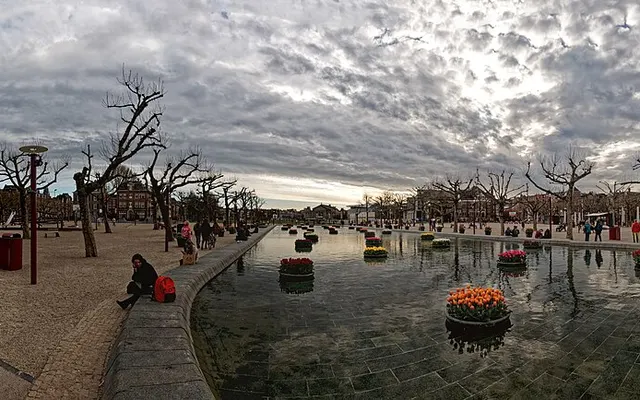
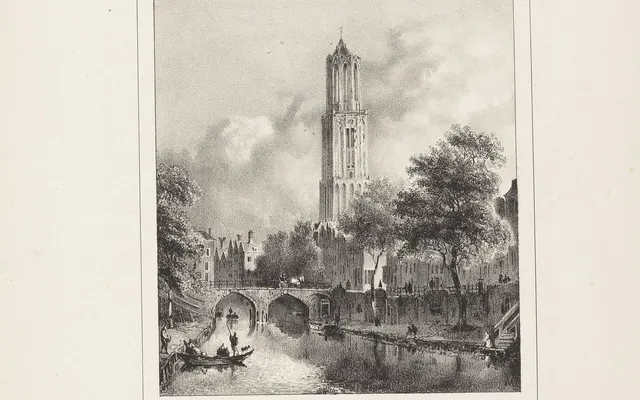
Amsterdam is the largest city and the visitor magnet, though it is not a giant metro by North American standards. Rotterdam, The Hague, Utrecht and Eindhoven are the other major cities. The photographs on this page follow a common first-trip pattern: Amsterdam, a canal or historic town, and a coastal or countryside landscape. Population and mobile capacity are dense across the Randstad — the urban ring that includes Amsterdam, Rotterdam, The Hague and Utrecht — which is also why coverage is generally reliable there.
Currency and Costs

The currency is the euro. Cards and contactless payments are widely accepted, and some smaller businesses are card-preferred rather than cash-preferred; it is still wise to have a little cash. ATMs are common; confirm fees with your Canadian bank. We do not publish hotel or restaurant prices. Amsterdam is generally expensive, especially in peak season and for central hotels; other cities and shoulder-season stays can be easier — confirm current prices for your dates.
Tipping customs differ from North America; rounding up or leaving a modest amount is more typical than a large automatic percentage, but confirm if a service charge is already on the bill. For the eSIM, confirm the plan price on the provider's site. A Europe regional plan is usually the better tool if you will also visit Belgium, Germany, France or the United Kingdom. A Netherlands-only plan is enough for an Amsterdam week that never leaves the country. Confirm the country list.
Best Time to Visit

Late spring through early autumn is the most popular period, with April and early May especially busy if tulip season and the King's Day period fall in your dates — confirm event dates, because they move. July and August are peak tourist months in Amsterdam, with crowded museums and canals. Shoulder seasons in May (after the busiest tulip weeks), June, September and early October are often a better compromise. Winter is a city-and-museum season, with short days, a chance of ice and rain, and fewer crowds than midsummer.
For an eSIM, a one-week Amsterdam trip is a simple validity window. A trip that adds Belgium, Germany or a coastal-island day is when you should confirm a regional plan and, for the islands, download offline maps. Weather is changeable in every season; a working phone helps you rearrange a bike day or a garden visit when the forecast shifts.
Getting There From Canada

Toronto Pearson (YYZ) has long had direct flights to Amsterdam, and Montréal–Trudeau (YUL) and Vancouver (YVR) also serve Schiphol on a mix of direct and one-stop itineraries. Confirm current schedules. If you connect through another European airport, a Netherlands eSIM will not cover that layover unless the plan lists the layover country. Schiphol is a major hub, so many Canadians also pass through Amsterdam on the way to somewhere else; a short layover is not always a reason to buy a Netherlands plan, but an overnight in the city is.
Trains from Belgium, Germany and France are a common arrival if you are already in Europe, and the station is in the city, not at the airport. Entry to the Netherlands is entry to the Schengen Area for most visitors; confirm current documentation and any electronic authorization requirements for Canadian citizens before you fly. A travel eSIM does not replace a passport. Confirm official advice, because European entry rules have been evolving.
Getting Around
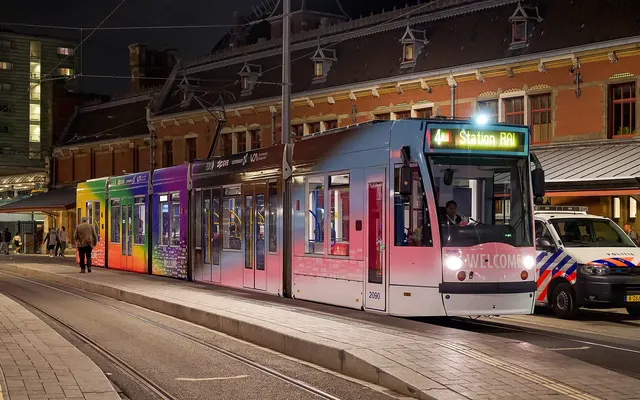
In Amsterdam, walking, trams, buses, ferries and bikes cover most visitor days; a transport card or app plus a working data path makes the system easier. Between cities, Nederlandse Spoorwegen trains are frequent on the main corridors. A rental car is usually more trouble than it is worth in the Randstad, and more useful in the north, the south-east or for a border loop — but that border loop is also when a regional eSIM matters. Ride-hailing and official taxis are available; bikes have their own rules and their own risks.
Download offline maps if you will leave the main cities or visit an island. Coverage is generally good, but nature reserves and some outer areas can still dip. If you will cross into Belgium or Germany, confirm that the same plan lists those countries, or buy a second eSIM. Keep a portable charger with you on long walking or cycling days. Confirm train tickets in the official app or in a screenshot.
Mobile Networks and Coverage

Cities, the Randstad and most of the country are generally well served. Rural pockets and some indoor spaces can still drop a signal, but nationwide coverage is relatively consistent. We do not publish a coverage score. Confirm the network, and keep offline maps only as a light backup if you will cycle or drive outside the main cities.
eSIM Plan Advice By Trip Type

A Netherlands country plan is enough for a single-country visit. If you will take the train to Belgium, Germany, France or beyond, a Europe regional eSIM is usually simpler — confirm every country on your route, including the UK if you will Eurostar onward. Confirm validity start and hotspot rules.
Tips for Canadians

Flights from Canada often arrive in Amsterdam, sometimes via another hub. A Netherlands eSIM will not cover a US layover. Confirm a transit option if you need it. Your Canadian number can stay reachable; confirm voice and SMS roaming with your carrier. For a multi-city European rail trip that only starts in Amsterdam, choose the regional plan first.
Install at home. Keep your Canadian line for calls and codes. Set data to the eSIM after landing and turn Canadian data roaming off. Trains, bikes and ride-hailing all benefit from a working data path. Confirm hotspot permission if you share a plan. A travel eSIM is usually data-only.
If you will also visit Belgium, Germany or another neighbour, confirm a Europe regional plan that lists every country. Install at home, keep the Canadian line for calls and codes, and turn Canadian data roaming off after you arrive. Confirm hotspot rules if you will share the plan. Ride-hailing and maps in Amsterdam need a working data path once you leave hotel Wi-Fi.
Safety and Connectivity Tips

Follow current official travel advice for the Netherlands; we do not invent risk scores. In Amsterdam, the usual habits apply: keep valuables in sight in crowded stations, trams and tourist streets, use official taxis or a known ride-hailing app, and be careful of unattended bags and of traffic, especially bikes. Emergency numbers may differ from Canada; confirm them, including the European emergency number. Cycling has its own safety habits: follow local rules, and do not assume a painted lane is a sidewalk.
Keep your Canadian line installed for calls and banking texts, set mobile data to the Netherlands eSIM after you arrive, and turn data roaming off on the Canadian line unless you have confirmed a carrier Europe pack. Wi-Fi calling on the Canadian number may work on hotel Wi-Fi; confirm that with your carrier. A travel eSIM is not travel insurance. If your trip is multi-country, confirm the regional plan's country list before you leave Amsterdam.
What Canadians Should Also Know
- Coverage is dense nationwide; the main choice is local vs a Europe regional plan.
Frequently Asked About eSIMs in Netherlands
Is coverage a concern in the Netherlands?
Country plan or Europe regional plan?
How Much Data to Buy for Netherlands
For maps, messaging and bookings, most travellers use roughly 0.25–0.5 GB a day. Add more for video calls, social uploads or using your phone as a hotspot. These figures are a starting point, not a measured study and not a provider quote. Confirm plan sizes on the provider's site.
| Trip | Light use | Moderate | Heavy |
|---|---|---|---|
| 1 week | 2–3 GB | 5 GB | 10 GB+ |
| 2 weeks | 3–5 GB | 10 GB | 20 GB+ or unlimited |
| 1 month | 5–10 GB | 20 GB | Unlimited |
Estimates, not provider figures. Use the compare tool for Netherlands for a personalised estimate.
Step-by-step dual-SIM settings: keep your Canadian number. For a broader look at carrier roaming versus a travel eSIM, see Canadian carrier roaming (confirm current rates in your account; we do not invent prices).
Compare Plans for Netherlands
Confirm price, validity, country list and network on the provider's site before you buy. Order below is fixed; providers cannot pay for position. Until a tracking link is configured, some buttons open an official-site interstitial rather than an earning link. Disclosure.
Opens Yesim in a new tab. We do not have a verified published price for this destination yet. Confirm the live price on the provider's site before you pay. You pay only the eSIM plan price; no carrier roaming charges.
- Yesim View plans
- Saily View plans
- Airalo View plans
- GigSky See Similar Plans at Yesim
- Drimsim View plans
- Holafly See Similar Plans at Yesim
- Nomad See Similar Plans at Yesim
- Maya Mobile See Similar Plans at Yesim
- Ubigi See Similar Plans at Yesim
- aloSIM See Similar Plans at Yesim
Open the compare planner for Netherlands.
Airport Transfers
- Kiwitaxi View offers
- Welcome Pickups View offers
Car Rentals
- Localrent View offers
- GetRentacar View offers
- QEEQ View offers
- Economybookings View offers
Tours and Tickets
- Tiqets View offers
- Klook View offers
- WeGoTrip View offers
Flight Delay Claims
- AirHelp View offers
Flights
- Aviasales View offers
 eSIM for United Kingdom
 eSIM for France
 eSIM for Italy
 eSIM for Spain
 eSIM for Portugal
 eSIM for Germany