- Recommended
- Country plan
- Region
- North America
- Major networks
- Rogers · Bell · Telus
- Country code
 CA
Overview

This page is for visitors to Canada, including travellers from the United States, not for Canadians going abroad. Rogers, Bell and Telus are the major national networks. Coverage follows population: Toronto, Vancouver, Montreal and other large cities are generally well served. Highways between cities are mostly covered; northern and park areas often are not. Confirm the partner network on the plan page.
Top Cities and Places in Canada (for visitors)
Visitors usually land in Toronto, Vancouver or Montreal, with Ottawa sometimes added and a park such as Banff as a further leg. The large cities and the main highway corridors are the strong part on Rogers, Bell or Telus. Parks, northern roads and many backcountry stretches can be weak or empty. Download offline maps for park days. This page is for visitors, including travellers from the United States — not for Canadians travelling inside Canada on their domestic plan.


Regions

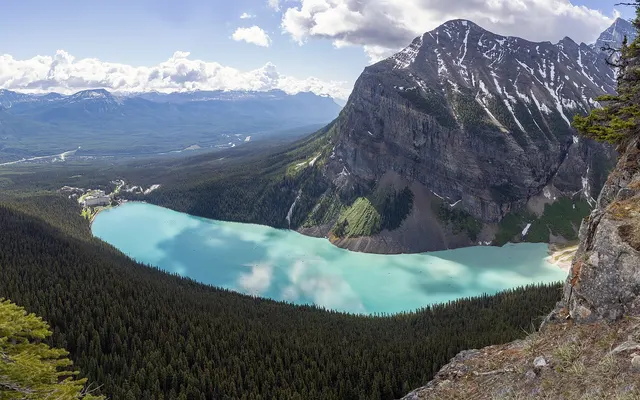
Canada is a federal country of ten provinces and three territories, and the visitor geography is regional rather than national in any single week. Ontario and Quebec hold the largest share of visitor nights in cities: Toronto, Ottawa and the Niagara area, and Montréal and Québec City, with side trips into the Laurentians or Eastern Townships. Atlantic Canada — Nova Scotia, New Brunswick, Prince Edward Island and Newfoundland and Labrador — is a different trip, often built around Halifax, coastal drives and, in season, ferries. The Prairies and the mountain west include Winnipeg, the mid-continent cities, then Calgary, Banff, Jasper, and a separate British Columbia trip around Vancouver, Victoria and the coast or interior. The North — Yukon, the Northwest Territories and Nunavut — is a specialist itinerary, with coverage and logistics that should be confirmed, not assumed.
A visitor already living in Canada does not need this page in the same way, but visiting Canadians from another province, and international readers using this site as a model, still have to choose a plan that actually lists Canada. Cross-border trips to the United States are the more common planning problem: a Canada-only eSIM will not cover a weekend in New York or a drive to Seattle. Confirm the country list. Within Canada, the easy coverage is along the Highway 401 corridor, the Quebec City–Windsor axis, the southern Prairies and the Lower Mainland. The coverage question becomes serious on coastal highways, in the Rockies off the main parkways, and north of the regular highway grid.
People and Demographics

Canada has a population of around 40 million; confirm the latest official figure if you need a current total. English and French are the official languages at the federal level. English is the everyday language in most provinces; French is the everyday language in Quebec and in some communities elsewhere, notably parts of New Brunswick and eastern Ontario. Ottawa, Montréal and some federal or national-park settings are more bilingual than a smaller town in either language community. Other languages are widely spoken in the large metros, but a visitor can travel in English almost everywhere outside Quebec, and in French or English in Quebec's cities.
The population is religiously diverse, with a historically Christian majority, a large and growing share of people who are unaffiliated, and substantial other communities in the cities. This rarely changes a travel day. The largest metros are Toronto, Montréal, Vancouver, Calgary, Ottawa–Gatineau and Edmonton. Banff and the mountain towns punch above their residential population in visitor traffic, which is why this page's photographs lean on those places alongside the big cities. Population — and therefore mobile capacity — is concentrated in a thin southern band; that is the demographic fact that explains why coverage can drop quickly once you leave it.
Currency and Costs

The currency is the Canadian dollar. Cards and tap payments are widely accepted in cities, parks, restaurants and almost all retail. Cash is less essential than in some other countries on this site, though a little can still help at a farm stand, a small-town cafe or a market stall. We do not publish hotel or restaurant prices. Cities such as Toronto and Vancouver can be expensive by North American standards, especially for accommodation; smaller cities and shoulder-season mountain towns may be easier, but park lodges in peak summer are not a bargain — confirm current prices for your dates.
Sales taxes (GST, and in some provinces HST or a provincial sales tax) are added at the till, and the rate is not the same in every province. For a visitor already on a Canadian phone plan, the eSIM question is usually about a US or international add-on, or about a short prepaid data path for a guest phone, not about replacing a domestic plan. Confirm any visitor eSIM against the country list, and do not buy a US plan thinking it will roam in Canada unless the product says so.
Best Time to Visit
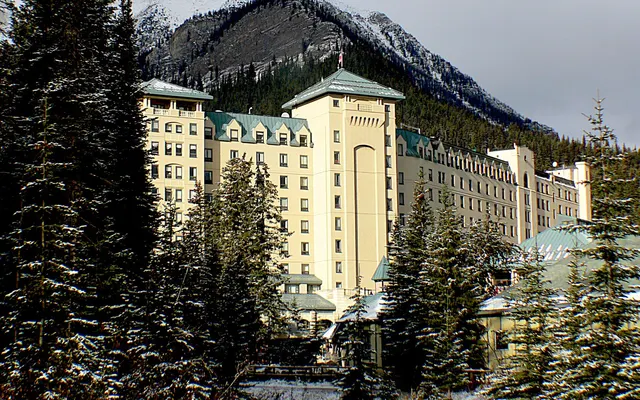
Summer, roughly June through early September, is the main season for national parks, Atlantic coastal drives and most outdoor itineraries; it is also peak demand in Banff, Jasper, Prince Edward Island and many lake regions. Shoulder seasons in late spring and early autumn can be excellent for cities and for the Rockies if you want fewer crowds, with cooler nights and, in the mountains, a chance of early or late snow. Winter is the season for skiing in British Columbia and Alberta, for winter festivals in Ottawa and Québec City, and for visiting Vancouver or Toronto as cities; it is also when many rural and some park roads close or become slower.
Northern lights trips are generally a winter or shoulder-season plan, and should be booked with confirmed logistics, not assumed weather. Hurricane remnants can occasionally affect Atlantic Canada in late summer or early autumn; confirm forecasts if you are on the coast then. For connectivity, summer park trips and winter mountain roads are the two cases where offline maps and a confirmed national network matter more than hotel Wi-Fi.
Getting There From Canada
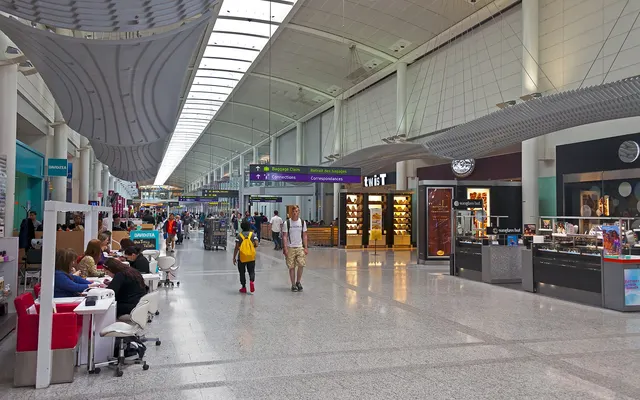
This page is written for people arriving in Canada, or moving around it, rather than for leaving it. International visitors typically land at Toronto Pearson (YYZ), Montréal–Trudeau (YUL) or Vancouver (YVR), with Calgary, Edmonton, Ottawa, Halifax and other airports also handling a large share of traffic. Domestic connections are frequent on the main triangle between Toronto, Montréal and Vancouver, and less frequent as you move into Atlantic Canada, the North or smaller prairie cities; confirm current schedules.
If you are a Canadian already at home, you do not need a Canada eSIM for a weekend in another province on your home plan, except in unusual cases such as a guest or unlocked phone with no domestic plan, or a trip that also enters the United States. If the US is on the itinerary, confirm a North America plan or a US eSIM, and do not expect a Canada visitor plan to cover Buffalo, Seattle or a Detroit layover. Entry rules for visitors to Canada should be confirmed on official sites; a travel eSIM does not replace a visa or an electronic authorization where one is required.
Getting Around

In Toronto, Montréal and Vancouver, transit, walking and ride-hailing cover most visitor days; a data path is what makes maps and tickets easy. Between cities, VIA Rail and frequent short-haul flights handle the main corridors; a rental car is the normal tool for the Rockies, Atlantic coastal routes, and almost any itinerary that leaves a metro. Ferries matter in British Columbia and in Atlantic Canada; confirm schedules, especially out of season.
Coverage is generally strong in the southern cities and along the main highways, then weaker on forest service roads, in parts of the coastal mountains, and in the North. Download offline maps before a park day or a long drive. Toll highways exist in some provinces; confirm how a rental car handles them. A visitor eSIM is useful if you do not have a Canadian plan; if you already have one, the more common missing piece is US coverage, not another Canada plan.
Mobile Networks and Coverage

The large cities and the main highway corridors are the strong part. Parks such as Banff, northern roads and many backcountry stretches can be weak or empty. We do not publish a coverage percentage. Confirm the network if you will leave the cities, and download offline maps for park days. A travel eSIM is not a wilderness safety system.
eSIM Plan Advice By Trip Type

A Canada country plan is the usual eSIM for visitors who need data here. US visitors should first confirm whether their existing US plan already includes Canada roaming, and on what terms — many do, with caps that change. Confirm that before you buy a visitor eSIM. Confirm validity start and hotspot rules on any plan you do buy.
Tips for Canadians

Canadians travelling inside Canada should use their existing domestic plan, not a travel eSIM bought for visitors. This guide exists so guests landing in Canada can compare a visitor eSIM with whatever their home carrier already includes. Confirm both. If you are a Canadian leaving Canada, use the destination guide for the country you are visiting instead.
Install the eSIM before you fly if the provider allows it, and confirm when validity starts. Keep your home number for calls and codes if your phone supports dual-SIM. Set mobile data to the Canada eSIM when you arrive in Toronto, Vancouver or another city, and turn data roaming off on your home line unless you have confirmed that roaming is what you want to use instead. Confirm hotspot permission if you share a plan.
US visitors should first confirm whether their existing US plan already includes Canada roaming, and on what terms — many do, with caps that change. Confirm that before you buy a visitor eSIM. Install the eSIM before you fly if the provider allows it, and confirm when validity starts. Keep your home number for calls and codes if your phone supports dual-SIM. A travel eSIM is not a wilderness safety system in the parks or the North.
Safety and Connectivity Tips

Canada is a familiar environment for domestic readers; the usual travel habits still apply in busy tourist areas and on winter roads. Confirm current road reports in the mountains and in Atlantic winter weather, and do not treat a mobile signal as a safety plan on a backcountry trail. Emergency numbers and park rescue procedures should be confirmed locally; coverage can be absent a short distance off a highway.
If you are visiting with a foreign phone, install the Canada eSIM, keep your home line for calls if your phone allows it, and turn data roaming off on the home line unless you have confirmed a roam package. If you are a Canadian heading to the United States, the safety-and-bill habit is the reverse: keep the Canadian line, add a US or North America data path, and confirm Wi-Fi calling with your carrier. A travel eSIM is not travel insurance and is not a substitute for official weather or avalanche advice.
What Canadians Should Also Know
- For US and international visitors: Canada is large and coverage follows population. Highways between cities are mostly covered; northern and park areas often are not.
- US visitors: many US plans include Canada roaming. Check yours before buying an eSIM.
Frequently Asked About eSIMs in Canada (for visitors)
I am visiting from the US. Do I need a Canada eSIM?
I am Canadian. Should I buy this plan to travel inside Canada?
How Much Data to Buy for Canada (for visitors)
For maps, messaging and bookings, most travellers use roughly 0.25–0.5 GB a day. Add more for video calls, social uploads or using your phone as a hotspot. These figures are a starting point, not a measured study and not a provider quote. Confirm plan sizes on the provider's site.
| Trip | Light use | Moderate | Heavy |
|---|---|---|---|
| 1 week | 2–3 GB | 5 GB | 10 GB+ |
| 2 weeks | 3–5 GB | 10 GB | 20 GB+ or unlimited |
| 1 month | 5–10 GB | 20 GB | Unlimited |
Estimates, not provider figures. Use the compare tool for Canada (for visitors) for a personalised estimate.
Step-by-step dual-SIM settings: keep your Canadian number. For a broader look at carrier roaming versus a travel eSIM, see Canadian carrier roaming (confirm current rates in your account; we do not invent prices).
Compare Plans for Canada (for visitors)
Confirm price, validity, country list and network on the provider's site before you buy. Order below is fixed; providers cannot pay for position. Until a tracking link is configured, some buttons open an official-site interstitial rather than an earning link. Disclosure.
Opens Yesim in a new tab. We do not have a verified published price for this destination yet. Confirm the live price on the provider's site before you pay. You pay only the eSIM plan price; no carrier roaming charges.
- Yesim View plans
- Saily View plans
- Airalo View plans
- GigSky See Similar Plans at Yesim
- Drimsim View plans
- Holafly See Similar Plans at Yesim
- Nomad See Similar Plans at Yesim
- Maya Mobile See Similar Plans at Yesim
- Ubigi See Similar Plans at Yesim
- aloSIM See Similar Plans at Yesim
Open the compare planner for Canada (for visitors).
Airport Transfers
- Kiwitaxi View offers
- Welcome Pickups View offers
Car Rentals
- Localrent View offers
- GetRentacar View offers
- QEEQ View offers
- Economybookings View offers
Tours and Tickets
- Tiqets View offers
- Klook View offers
- WeGoTrip View offers
Flight Delay Claims
- AirHelp View offers
Flights
- Aviasales View offers
 eSIM for United States
 eSIM for Mexico
 eSIM for Cuba
 eSIM for Dominican Republic
 eSIM for Jamaica
 eSIM for Costa Rica