- Recommended
- Country plan · or a regional plan for a multi-country Europe trip
- Region
- Europe
- Major networks
- A1 · Magenta Telekom · Drei
- Listed by
- Airalo · Yesim · Drimsim · GigSky
- Country code
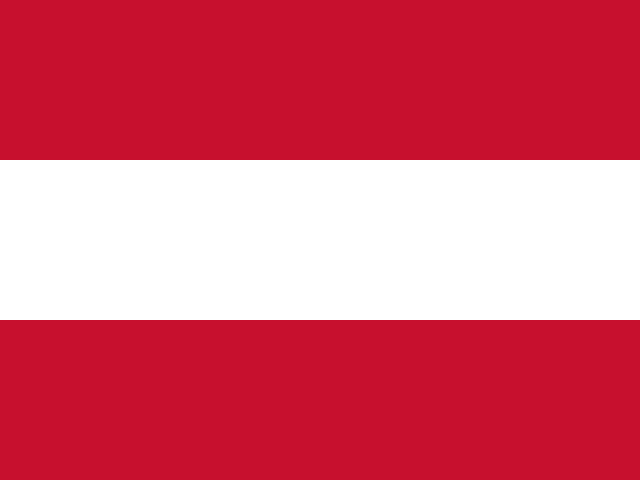 AT
Overview
Austria combines a world-class capital in Vienna with Salzburg's baroque old town and the ski and hiking regions of the Tyrol and Salzburg Land. Many Canadians reach it as part of a longer Central European trip that includes Munich, Prague, Budapest or northern Italy, which is why a Europe regional eSIM is often the best fit. If Austria is your only stop, a country plan works well. A1, Magenta Telekom and Drei are the three national networks.
Top Cities and Places in Austria
Vienna is the main arrival, with the imperial palaces of Schönbrunn and the Hofburg, the MuseumsQuartier, coffee houses and a busy concert calendar. Salzburg, a short train ride west, is known for its old town, fortress and music festival. Innsbruck sits in the Inn Valley surrounded by mountains. Hallstatt and the Salzkammergut lakes are popular day trips, and the Wachau valley along the Danube is known for vineyards and river cruises. In winter, resorts such as St. Anton, Kitzbühel and Ischgl draw skiers.
Regions
Austria is divided into nine federal states. Vienna is both a city and a state. Lower Austria surrounds it and includes the Wachau. Upper Austria and Salzburg cover the lake district and the city of Salzburg. Tyrol and Vorarlberg in the west are the most mountainous and tourism-oriented. Styria and Carinthia in the south have the cities of Graz and Klagenfurt and lakes near the Slovenian and Italian borders. Burgenland in the east borders Hungary and is flatter, with wine country around Lake Neusiedl.
People and Languages
Austria has a population of roughly 9.1 million; confirm the latest official figure if you need a current total. German is the official language, with Austrian dialects and vocabulary that differ from Germany's. English is widely spoken in Vienna, Salzburg, Innsbruck and ski resorts, and in most hotels and transport hubs. Smaller villages may have less English, so a translation app is helpful.
Currency and Payments
Austria uses the euro. Cards and contactless are widely accepted, but Austria has a stronger cash culture than some neighbours: smaller restaurants, mountain huts, market stalls and some traditional coffee houses may prefer cash. Carry some euros and confirm withdrawal fees with your Canadian bank. We do not publish hotel or restaurant prices. Motorways require a vignette for cars, which can be bought digitally before you drive.
Best Time to Visit
Summer is busy in Vienna and Salzburg and ideal for alpine hiking, lakes and the Salzburg Festival. December brings Christmas markets in almost every town. January through March is ski season in the Alps. Spring and autumn are quieter, with good weather for city visits and the Wachau's wine harvest in early autumn. Some high-alpine roads and huts open only in summer.
Getting There From Canada
Austrian Airlines and Air Canada have operated direct seasonal flights between Toronto Pearson (YYZ) and Vienna; confirm current schedules. Many itineraries from Vancouver, Calgary and Montréal connect through Frankfurt, Munich, Zurich or other European hubs. Some travellers fly into Munich, which is close to Salzburg and Innsbruck. If you connect through the US, your Austria eSIM will not cover the layover.
Getting Around
Austria's federal railway, ÖBB, connects Vienna, Salzburg, Innsbruck, Graz and Linz with frequent, comfortable trains, and night trains link Vienna to other European cities. Vienna has an extensive U-Bahn, tram and bus network. Regional buses reach many mountain villages. A rental car helps in the lakes and small alpine valleys. Ticket apps, timetable lookups and ride-hailing all need mobile data.
Mobile Networks and Coverage
A1, Magenta and Drei all provide strong 4G and growing 5G in cities and along major transport routes. In deep alpine valleys, on high trails and inside some tunnels, signal can drop out or weaken. Ski resorts generally have coverage at base areas and lifts, with gaps off-piste. Confirm which partner network your plan uses, download offline maps before mountain days, and do not rely on mobile data for safety in remote terrain.
eSIM Plan Advice by Trip Type
For a Vienna or Salzburg city break, a country plan is enough. For a Central European loop through Germany, Czechia, Hungary, Slovenia or Italy, choose a Europe regional plan and confirm each country is listed. Skiers who stay a week in one resort can usually manage with a moderate data plan, since most hotels and chalets have Wi-Fi. Heavier users, remote workers and families sharing a hotspot should look at larger bundles.
Practical Phone Tips
Useful apps include ÖBB for trains, WienMobil for Vienna transit and the Austrian weather service for mountain forecasts. Most hotels, cafés and ski lodges offer Wi-Fi.
Tips for Canadians
Keep your Canadian number on the main line for calls and bank verification texts. A travel eSIM is usually cheaper than a Canadian carrier's daily roaming add-on for trips longer than a few days. Austrian rail and city transport tickets work well in apps, which makes reliable data more valuable than calls.
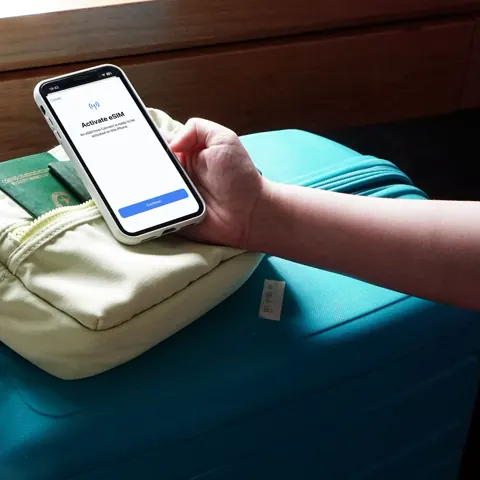
Install the eSIM before you fly, set it as the data line after landing and switch off roaming on the Canadian line. If you plan to ski or hike, keep your phone warm and charged; cold weather drains batteries quickly.
Confirm that your phone is unlocked and supports eSIM, check the plan's validity start and any fair-use limits, and list every country you will enter, including Switzerland or Liechtenstein, which some Europe plans exclude.
Safety and Connectivity
Follow current Government of Canada travel advice for Austria at travel.gc.ca; we do not invent risk scores. Austria's cities are generally orderly, with petty theft the main concern in crowded tourist areas and on public transport. In the mountains, weather changes quickly: check forecasts and avalanche bulletins, tell someone your route, and remember that coverage may disappear in valleys. The European emergency number 112 works from any phone.
What Canadians Should Also Know
- Coverage in alpine valleys and on high trails can be limited; download offline maps before mountain days.
Frequently Asked About eSIMs in Austria
Does my eSIM work in Austrian ski resorts?
Is Liechtenstein or Switzerland included in a Europe eSIM?
Do I need cash in Austria?
Compare Plans for Austria
These providers list Austria on their own sites. Confirm price, validity, data allowance and network before you buy. Order is fixed; providers cannot pay for position. Some links earn us a commission at no cost to you. Disclosure.
- Airalo View Plans
- Yesim View Plans
- Drimsim View Plans
- GigSky See Similar Plans at Yesim
Where This Coverage Data Comes From
| Provider | Source | Checked |
|---|---|---|
| Airalo | Airalo Austria page | 18 November 2026 |
| Yesim | Yesim Austria page | 18 November 2026 |
| Drimsim | Drimsim Austria page | 18 November 2026 |
| GigSky | Similar plans at Yesim Source: gigsky.com/country/esim-in-austria | 18 November 2026 |
A provider listing a destination does not guarantee coverage everywhere in it. Rural, mountain and offshore areas can have gaps.
How Much Data to Buy for Austria
For maps, messaging and bookings, most travellers use roughly 0.25–0.5 GB a day. Add more for video calls, social uploads or hotspot use. These are estimates, not provider figures. Use the data calculator for a personal estimate.
More Destinations in Europe
- eSIM for Belgium
- eSIM for Czech Republic
- eSIM for Denmark
- eSIM for Hungary
- eSIM for Malta
- eSIM for Norway
- eSIM for Poland
- eSIM for Sweden
 eSIM for Belgium
 eSIM for Czech Republic
 eSIM for Denmark
 eSIM for Hungary
 eSIM for Malta
 eSIM for Norway
 eSIM for Poland
 eSIM for Sweden
All destinations · What is an eSIM? · Phone compatibility · eSIM vs roaming