- Recommended
- Country plan
- Region
- Asia-Pacific
- Major networks
- Jio · Airtel · Vi
- Country code
 IN
Overview
India is a country-plan destination for most Canadian visits. Jio, Airtel and Vi are the major networks. Delhi, Mumbai and Bengaluru are generally well served, with the useful network being whichever partner your eSIM actually uses. Confirm that partner on the plan page. Buying a local SIM in India involves identity paperwork; a travel eSIM bought before departure avoids that step, which is the main practical reason many visitors choose one.
Top Cities and Places in India
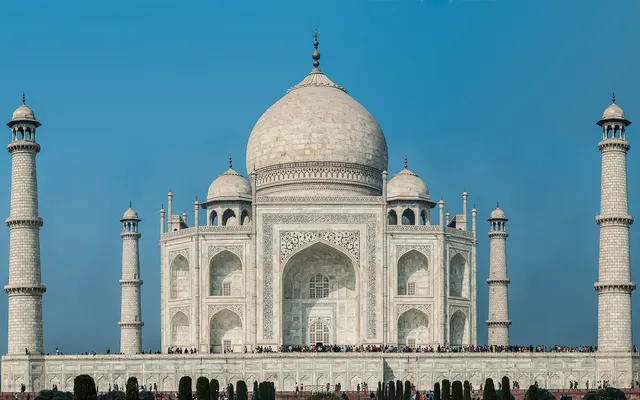
Delhi, Mumbai and Bengaluru are the usual first cities for visitors from Canada, with Agra or Jaipur often added to a north itinerary. Those large cities are generally well served on Jio, Airtel or Vi. Highways, smaller cities and rural stretches can be more network-dependent. The practical reason many visitors buy a travel eSIM is paperwork: a local SIM involves identity steps that a pre-departure eSIM avoids.
Regions
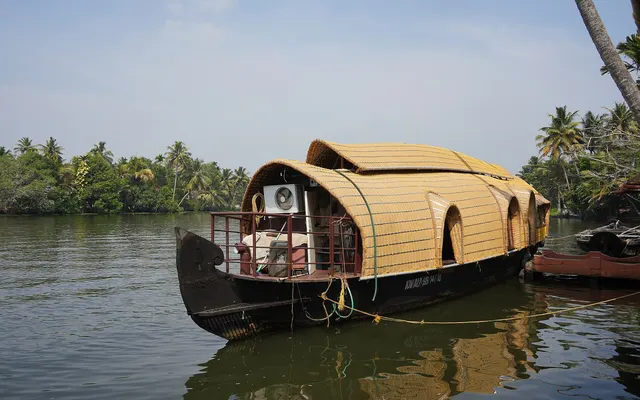
India is continental in scale, and a first trip from Canada usually covers one circuit, not a lap of the whole country. The Golden Triangle — Delhi, Agra and Jaipur — is the classic first itinerary from the capital, which is also a common international arrival. Mumbai, on the west coast, is a different first city, with a western or southern extension that is not a short hop from Delhi. The south includes Bengaluru, Chennai, Kerala and, inland, other states that are their own trip. The east includes Kolkata, and the Himalayan north — Himachal, Uttarakhand, or further, Ladakh — is a mountain plan with different climate, altitude and coverage. Varanasi, Goa, Rajasthan beyond Jaipur, and the temple towns of the south are further circuits that should be chosen, not stacked.
Coverage is generally strong in the large metros and along many highway corridors, and more variable in the Himalaya, in some rural districts, and in smaller temple or desert towns. You usually do not need a different eSIM product for Jaipur versus Delhi, but you should confirm the partner network — Jio, Airtel or Vi, depending on the plan — if you will leave the cities, and you should confirm that a travel eSIM for India is actually offered for your phone and dates. Some providers have had specific registration or KYC rules; confirm those before you buy, and do not assume a plan will activate in the same way it does in Europe.
People and Demographics
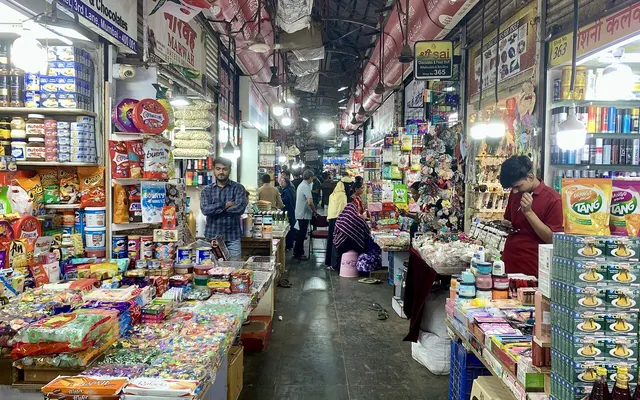
India has a population of around 1.4 billion; confirm the latest official figure if you need a current total. Hindi and English are the official languages of the Union government, and many other official languages are used in the states — including Tamil, Telugu, Bengali, Marathi, Gujarati, Punjabi and others — so the language you hear will change with the region. English is more usable in hotels, stations and many services in the large cities than in smaller towns, but it is not universal. A translation app on a working data path helps, as does a little humility about regional languages.
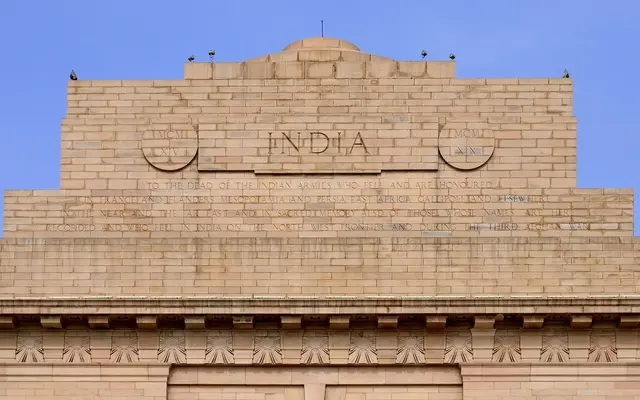
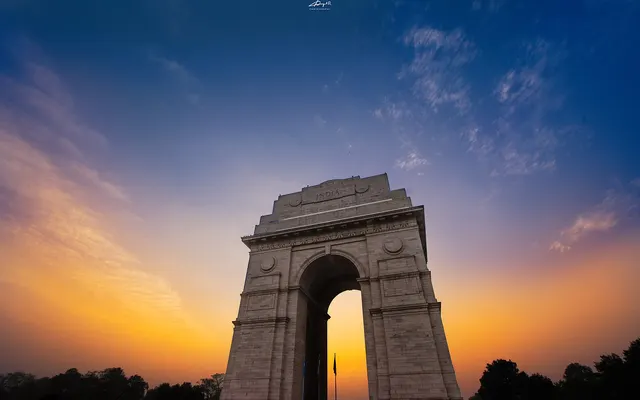
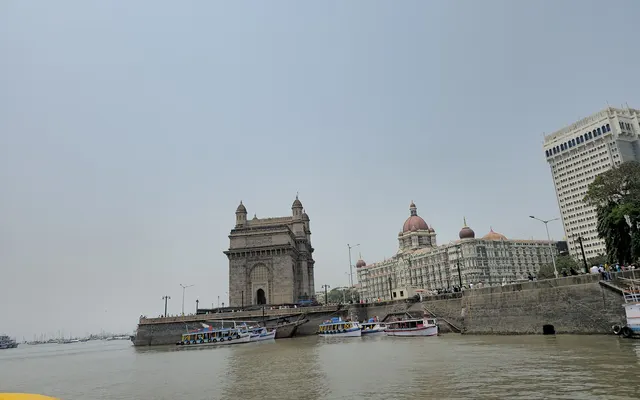
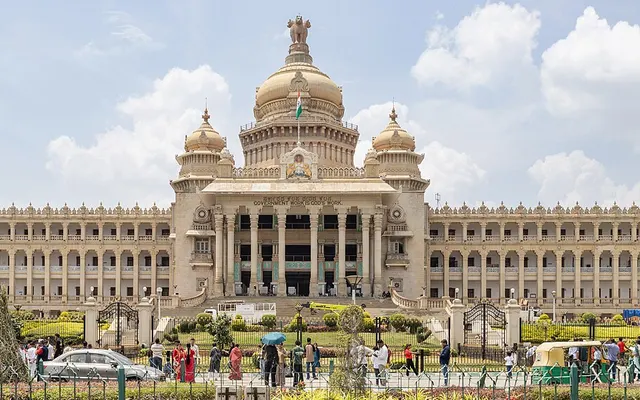
The population is religiously diverse: Hinduism is the majority tradition, with large Muslim, Christian, Sikh, Buddhist, Jain and other communities, and this shapes public holidays, some opening hours and the character of particular cities. The largest metros include Delhi, Mumbai, Kolkata, Bengaluru, Chennai and Hyderabad. The photographs on this page follow a common first-trip pattern: a Golden Triangle city, a landmark visitors actually name, and a second region if the trip is longer. Population and mobile capacity are enormous in those metros; some mountain and desert areas are much more sparsely served.
Currency and Costs
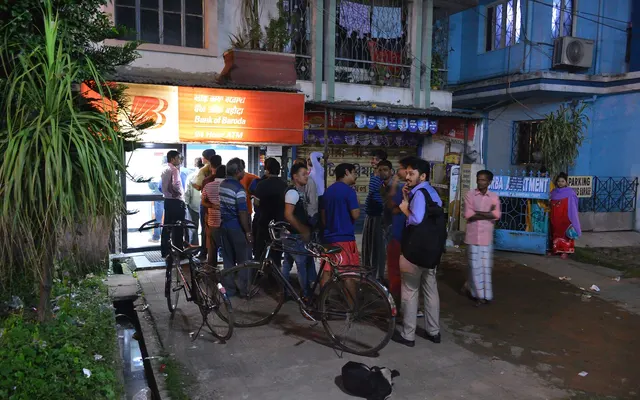
The currency is the Indian rupee. Cards are increasingly accepted in hotels, formal restaurants and city shops; cash is still very useful for smaller restaurants, markets, auto-rickshaws, tips and towns on a road day. ATMs are common in the cities; confirm fees with your Canadian bank, and have a backup card. Confirm current rules about bringing cash into the country, because customs limits exist. We do not publish hotel or restaurant prices, and we do not invent exchange-rate forecasts. City luxury hotels and peak-season hill stations can be expensive; everyday food often is not — confirm current prices for your dates.
Tipping customs vary by setting; confirm if a service charge is already on the bill. For the eSIM, confirm the plan price, the activation rules, and any identity requirements on the provider's site before you travel. A India-only plan is enough for a domestic circuit. If you will also visit Nepal, Sri Lanka or another neighbour, confirm a regional or second-country plan; a India eSIM will not cover those crossings by default.
Best Time to Visit
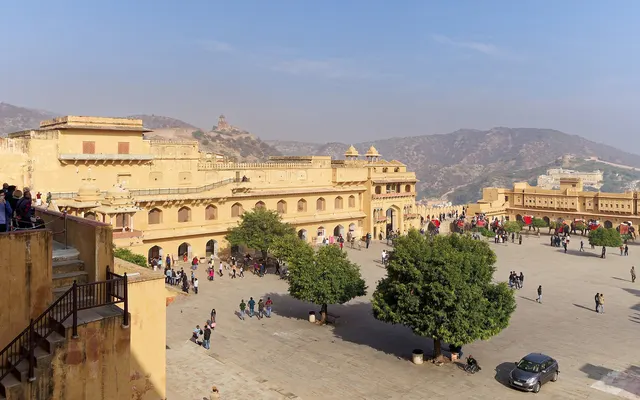
October through March is the most popular period for the north and for a Golden Triangle trip, with more comfortable temperatures than the late-spring and early-summer heat. April through June is very hot in Delhi, Agra and much of the plains, and is also when some people go to the hill stations. The monsoon typically arrives in early summer and continues into early autumn in many regions, with a different pattern in some southeastern areas; confirm the region you will actually visit. The Himalaya and Ladakh have their own, shorter travel seasons and altitude constraints.
Diwali, Holi, and some regional festivals can affect crowds, transport and opening hours; confirm dates, because they move. For an eSIM, a one- or two-week Golden Triangle trip is a defined validity window, provided the plan actually activates. A monsoon or mountain trip is when you should confirm the partner network, download offline maps, and have flexibility in the schedule. Heat is a health planning issue on the plains; a working phone helps you time outdoor sites for cooler hours.
Getting There From Canada
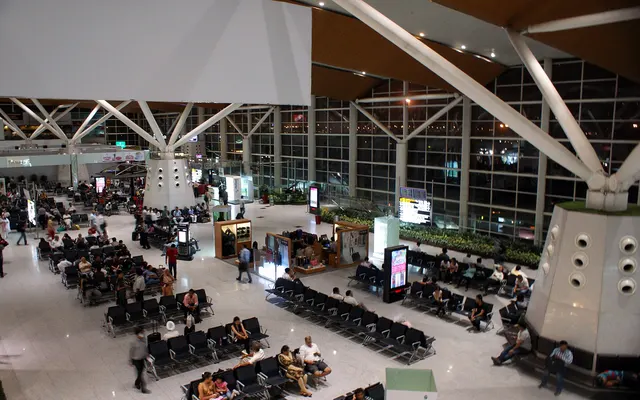
Toronto Pearson (YYZ) and Vancouver (YVR) have direct or one-stop flights to Delhi, and sometimes to Mumbai or other Indian cities; Montréal–Trudeau (YUL) more often connects, sometimes through Europe or the Middle East. Confirm current schedules. If you connect through another country, an India eSIM will not cover that layover unless the plan lists the layover country.
Delhi and Mumbai both work as first cities, depending on the circuit; confirm which airport your ticket uses — some cities have more than one terminal or airport — and how you will reach the first hotel, because the transfer can be long. Domestic flights are the normal way to move between regions. Entry rules for Canadian citizens require a visa or e-visa in the usual case; confirm the current official process, the allowed entry points, and the lead time before you fly. A travel eSIM does not replace a visa or a passport. Confirm official advice.
Getting Around
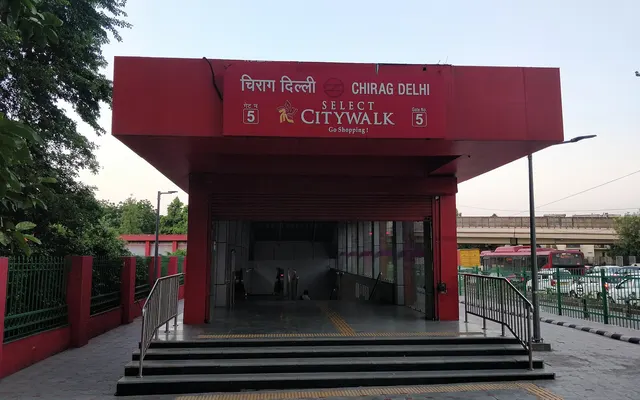
In Delhi and Mumbai, official taxis, ride-hailing, some metro systems, and a lot of traffic are the reality of getting across the city; a data path makes pickups and maps much easier, and a pre-arranged airport transfer is often worth it on arrival. Between cities, domestic flights are the fastest tool; trains are extensive and should be booked ahead on official channels. Auto-rickshaws are useful for short hops; agree or meter the fare. A self-drive rental is less common for a first visitor than a car with a driver on a Golden Triangle road day; confirm current arrangements rather than assuming a North American rental pattern.
Download offline maps before a rural or mountain day. Coverage can dip in the Himalaya, in some desert stretches and in smaller towns. Do not treat a travel eSIM as a safety device on a mountain road. Confirm train and flight tickets in a screenshot or in the official app. If you will enter Nepal or another neighbour, confirm a plan that lists the next country. Keep a portable charger with you; long, hot days drain batteries.
Mobile Networks and Coverage
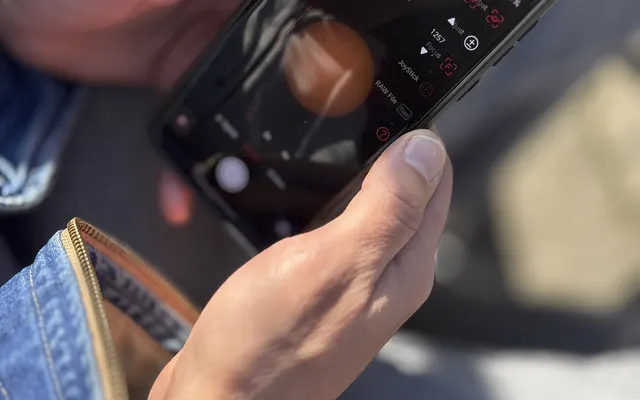
Large cities are typically the strong part. Some highways, smaller cities and rural stretches can be more network-dependent. We do not publish a national coverage figure. Confirm the network if you will travel between regions, and keep offline maps for those legs.
eSIM Plan Advice By Trip Type
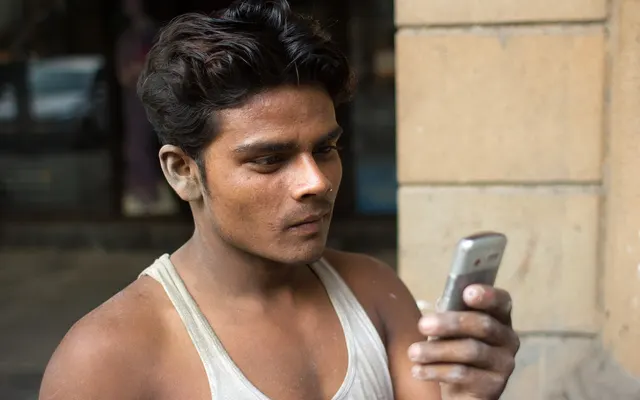
An India country plan is usually enough for an India-only trip. If you will also visit a neighbouring country, confirm a regional plan that lists both, or buy two plans. Confirm validity start and hotspot rules.
Tips for Canadians
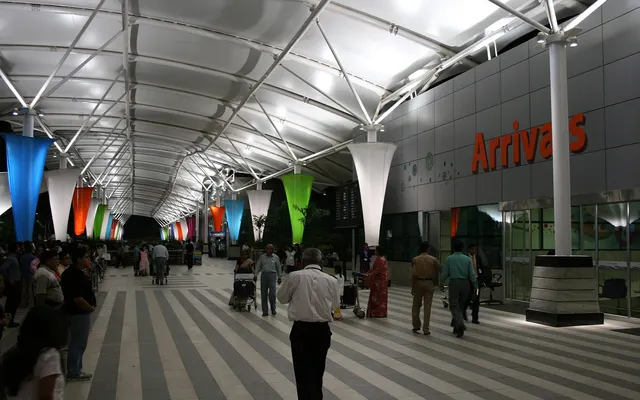
Flights from Canada often arrive in Delhi or Mumbai, usually via Europe or the Middle East, sometimes via the US. An India eSIM will not cover those transits. Confirm a layover option if you need one. Your Canadian number can stay reachable; confirm voice and SMS terms with your carrier.
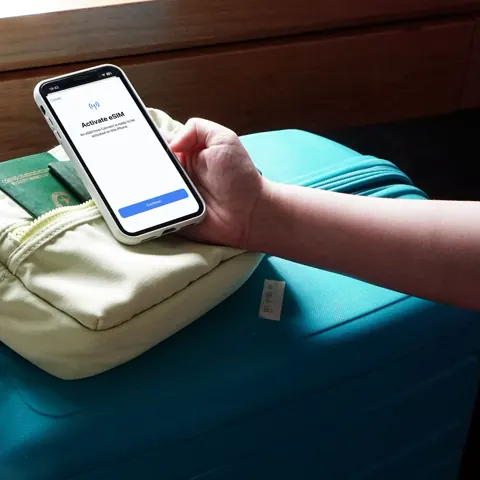
Install at home on Wi-Fi. Keep your Canadian line for calls and codes. Set data to the eSIM after landing in Delhi, Mumbai or Bengaluru and turn Canadian data roaming off. Confirm hotspot permission if you share a plan. Ride-hailing and maps in the large cities need a working data path.
Install at home on Wi-Fi, keep the Canadian line for calls and codes, and turn Canadian data roaming off after you land in Delhi, Mumbai or Bengaluru. Confirm hotspot rules. Ride-hailing and maps in the large cities need a working data path. An India eSIM will not cover a Europe, Middle East or US layover; confirm a transit option if you need one.
Safety and Connectivity Tips

Follow current official travel advice for India; guidance can differ by state and region, and we do not invent risk scores. In the cities, the usual habits apply: use official taxis or a known ride-hailing app, keep valuables in sight in crowded stations and markets, and be careful of unsolicited touts at major sites. Emergency numbers and hospital procedures may differ from Canada; confirm them with your hotel. Heat, traffic, food and water caution, and, in some regions, air quality are more common practical issues than many first-time visitors expect. In the mountains, altitude and road conditions matter.
Keep your Canadian line installed for calls and banking texts, set mobile data to the India eSIM after you arrive and after it has actually activated, and turn data roaming off on the Canadian line unless you have confirmed a carrier pack. Wi-Fi calling on the Canadian number may work on hotel Wi-Fi; confirm that with your carrier. Share your inter-city plan, and download maps while you still have a signal. A travel eSIM is not travel insurance. Confirm visa, activation and official advisories close to departure.
What Canadians Should Also Know
- Buying a local SIM involves identity paperwork; a travel eSIM bought before departure avoids that step.
Frequently Asked About eSIMs in India
Why buy an eSIM instead of a local SIM in India?
Is coverage the same between Delhi and a highway day?
How Much Data to Buy for India
For maps, messaging and bookings, most travellers use roughly 0.25–0.5 GB a day. Add more for video calls, social uploads or using your phone as a hotspot. These figures are a starting point, not a measured study and not a provider quote. Confirm plan sizes on the provider's site.
| Trip | Light use | Moderate | Heavy |
|---|---|---|---|
| 1 week | 2–3 GB | 5 GB | 10 GB+ |
| 2 weeks | 3–5 GB | 10 GB | 20 GB+ or unlimited |
| 1 month | 5–10 GB | 20 GB | Unlimited |
Estimates, not provider figures. Use the compare tool for India for a personalised estimate.
Step-by-step dual-SIM settings: keep your Canadian number. For a broader look at carrier roaming versus a travel eSIM, see Canadian carrier roaming (confirm current rates in your account; we do not invent prices).
Compare Plans for India
Confirm price, validity, country list and network on the provider's site before you buy. Order below is fixed; providers cannot pay for position. Until a tracking link is configured, some buttons open an official-site interstitial rather than an earning link. Disclosure.
Opens Yesim in a new tab. We do not have a verified published price for this destination yet. Confirm the live price on the provider's site before you pay. You pay only the eSIM plan price; no carrier roaming charges.
- Yesim View plans
- Saily View plans
- Airalo View plans
- GigSky See Similar Plans at Yesim
- Drimsim View plans
- Holafly See Similar Plans at Yesim
- Nomad See Similar Plans at Yesim
- Maya Mobile See Similar Plans at Yesim
- Ubigi See Similar Plans at Yesim
- aloSIM See Similar Plans at Yesim
Open the compare planner for India.
Airport Transfers
- Kiwitaxi View offers
- Welcome Pickups View offers
Car Rentals
- Localrent View offers
- GetRentacar View offers
- QEEQ View offers
- Economybookings View offers
Tours and Tickets
- Tiqets View offers
- Klook View offers
- WeGoTrip View offers
Flight Delay Claims
- AirHelp View offers
Flights
- Aviasales View offers
 eSIM for Japan
 eSIM for South Korea
 eSIM for China
 eSIM for Hong Kong
 eSIM for Thailand
 eSIM for Vietnam