- Recommended
- Country plan
- Region
- North America
- Major networks
- Telcel · AT&T Mexico · Movistar
- Country code
 MX
Overview
Mexico is a country-plan destination for most Canadian holidays that stay south of the US border. The major networks — Telcel, AT&T Mexico and Movistar — are well established in resort corridors and large cities. Inland towns, mountain roads and some Pacific and Caribbean coastal stretches can be more uneven, and the useful network is the one your eSIM actually partners with. Confirm that partner on the plan page. Resort Wi-Fi is often slow or limited to lobbies, so a modest data plan is less of a luxury than it looks on an all-inclusive itinerary.
Top Cities and Places in Mexico
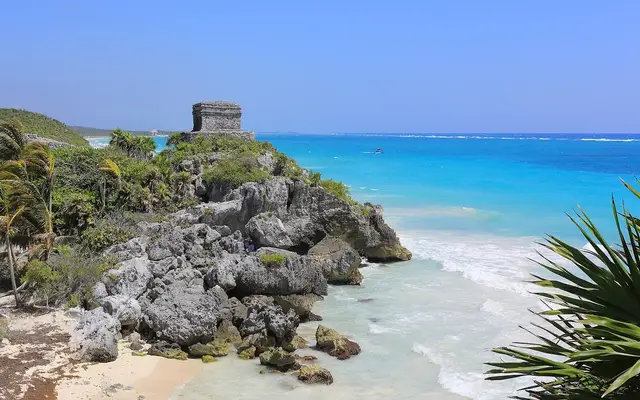
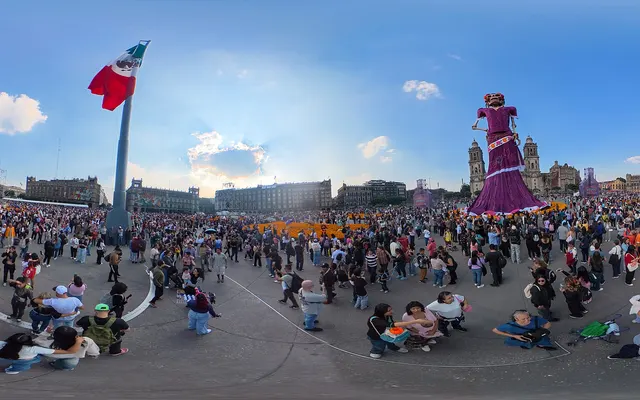
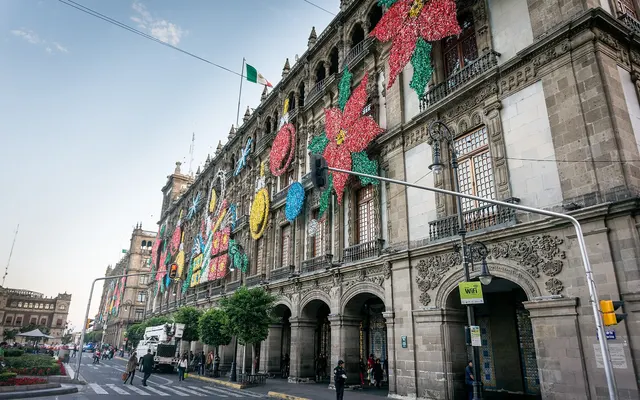
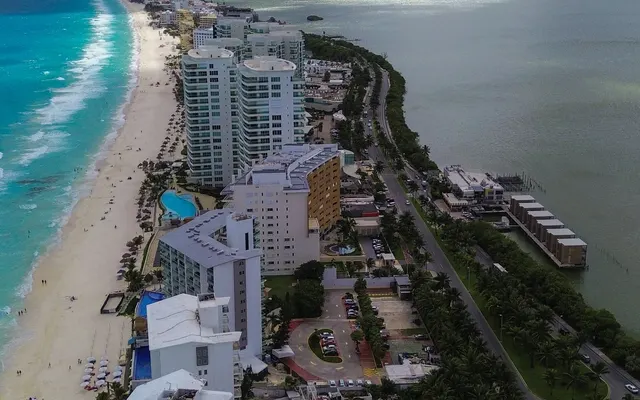
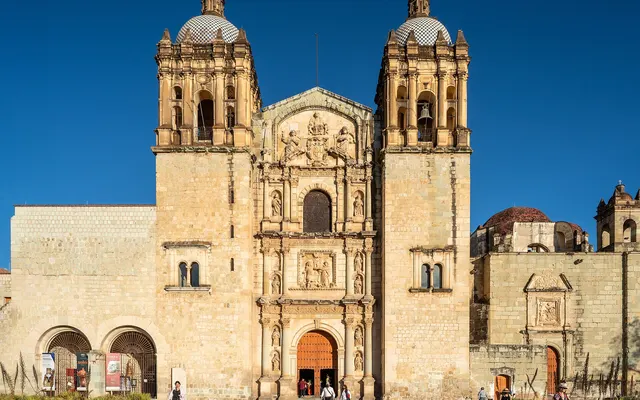
Most Canadian holidays concentrate on resort corridors and a few cities: Cancun and the Riviera Maya (the Tulum photograph on this page is from that coast), Mexico City, and sometimes Oaxaca or a Pacific beach town. Resort Wi-Fi is often limited to lobbies, so the eSIM is for ride-hailing, maps and messaging once you leave the property. Inland highways and smaller towns are where you should confirm Telcel versus a narrower partner.
Regions

Mexico is a federal country of 32 states, including Mexico City as a distinct entity. Canadian holidays cluster in a few regions rather than trying to see all of them. The Yucatán Peninsula and the Caribbean coast include Cancún, the Riviera Maya and Tulum, which is the setting of the hero photograph on this page, plus inland sites such as Chichén Itzá and, further west, Mérida. Central Mexico is anchored by Mexico City, with day trips and longer stays in places such as Puebla, and a separate cultural magnet in Oaxaca in the south. The Pacific resort coast includes Puerto Vallarta, the coast around Ixtapa–Zihuatanejo, and further south Huatulco; Los Cabos sits at the tip of the Baja California peninsula, which is its own long, dry geography.
Northern border cities and the industrial north are a different trip from a beach week, and some northern and mountain roads have patchier coverage. The colonial-city circuit — Guanajuato, San Miguel de Allende, Morelia and others — sits in the highlands and is popular with independent travellers. Chiapas and some southern inland areas are more remote. You do not need a different eSIM product for each of these regions, but you do need to confirm that the partner network — Telcel generally has the widest national footprint, with AT&T Mexico and Movistar competitive in cities and many tourist corridors — covers the specific states you will actually visit, especially if you will drive inland from a resort.
People and Demographics

Mexico has a population of around 130 million; confirm the latest official figure if you need a current total. Spanish is the official language and the language of almost all travel, signs and service. English is common in resort hotels, some restaurants and international airports, and much less reliable in neighbourhoods, smaller towns and long-distance bus stations. A handful of other Indigenous languages are spoken in different regions, including in and around Oaxaca and in the south; as a visitor you will still conduct almost all business in Spanish or, in resorts, English.
A large majority of Mexicans are Christian, predominantly Catholic, with a growing Protestant share and smaller other communities. This shapes public holidays and some opening hours more than it shapes an eSIM plan. The largest metro by far is Mexico City, one of the largest in the Americas. Guadalajara and Monterrey are the next-largest traditional metros; the Caribbean and Pacific resort corridors punch above their residential population in visitor traffic. Tulum, Cancún, Mexico City and Oaxaca are the places this guide's photographs and copy are written around, because those are the patterns Canadians actually book.
Currency and Costs

The currency is the Mexican peso. Cards are widely accepted in resorts, cities and chain businesses. Smaller restaurants, markets, collectivo fare and some taxis still run on cash, so a little cash is useful once you leave a hotel zone. ATMs are common in cities and larger resort areas; confirm fees with your Canadian bank and avoid informal money changers. US dollars are sometimes quoted in tourist zones, but you will usually do better understanding the price in pesos; confirm the rate if someone offers to charge you in dollars.
We do not publish restaurant or hotel prices. All-inclusive resorts bundle a lot of costs, which can make a holiday look simple, but ride-hailing, excursions and meals off the property are extra, and that is exactly when a data plan earns its keep. Mexico City and some colonial-city stays can be better value per day than a peak-season beach resort, or the reverse, depending on the hotel you book — confirm current prices for your dates. For the eSIM, confirm the plan price on the provider's site, and if you also have a US leg, confirm a North America regional plan or two country plans rather than assuming one will cover both.
Best Time to Visit
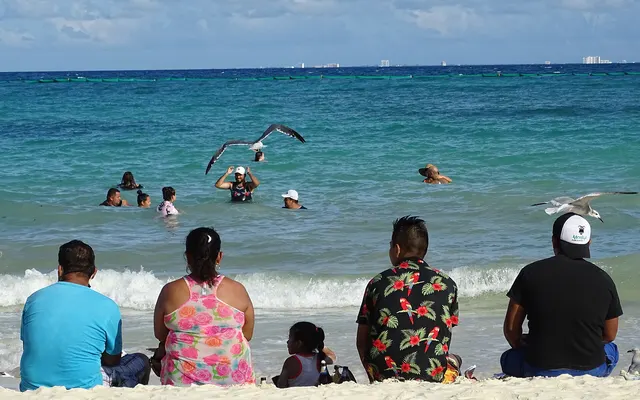
The most popular time for Canadians to visit the Caribbean and Pacific coasts is the northern winter, when people are leaving cold weather at home. That is also high season in Cancún, the Riviera Maya, Puerto Vallarta and Los Cabos: busier, and often more expensive. The rainy season in much of central and southern Mexico typically runs from late spring through early autumn, with a more pronounced midsummer rain pattern in many inland and southern areas; the Yucatán can also see heavy rain and, in the Atlantic hurricane season from early summer into autumn, storms that affect travel. Confirm forecasts if you are booking in those months.
The highlands, including Mexico City and Oaxaca, are milder year-round than the coasts, with cooler evenings. Shoulder months can be a good compromise for cities and for the coast if you want fewer crowds, with the usual caveat that weather is not a guarantee. For an eSIM, season matters mainly because a winter resort week is often a short, defined validity window, and a summer road trip inland is when you should treat coverage as a network-and-offline-map problem rather than a hotel-Wi-Fi problem.
Getting There From Canada
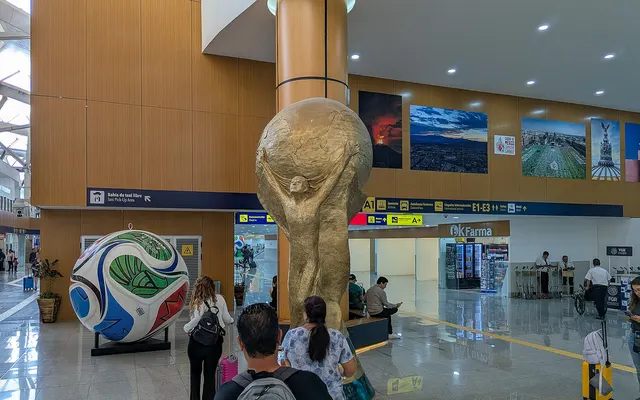
Toronto Pearson (YYZ) and Montréal–Trudeau (YUL) have frequent direct flights to Cancún and other Mexican resort airports, especially in winter, and also to Mexico City; seasonal and year-round lists change, so confirm current schedules. Vancouver (YVR) is well connected to Mexico City, Los Cabos, Puerto Vallarta and sometimes other Pacific or resort airports, often more directly than it is to the Caribbean coast. Many Canadians also connect through a US hub, especially from smaller Canadian cities; a Mexico eSIM will not cover that US layover unless the plan lists the United States.
If your ticket includes a US airport or a road leg through the United States, confirm a North America regional plan that lists both countries, or buy two plans. Charter and sun-destination airlines from Canada are common in winter; confirm baggage and schedule rules on the operating carrier. Entry rules for Canadian citizens are usually straightforward for a short tourist stay, but they can change, and other passport holders should confirm visa requirements. A travel eSIM does not replace a passport or a tourist card where one is required — confirm current entry rules before you fly.
Getting Around
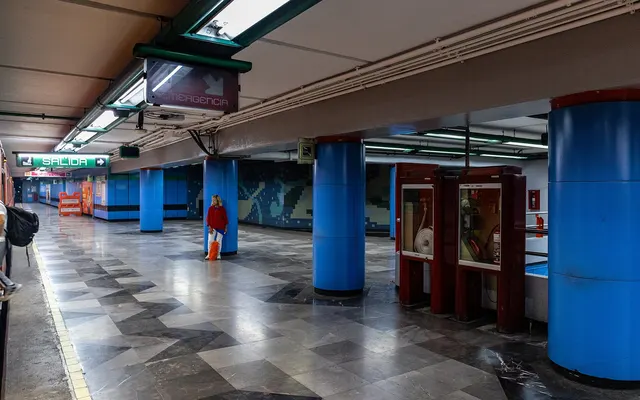
In Mexico City, the Metro, Metrobús, ride-hailing and official taxis are how most visitors move around; a working data path is what makes ride-hailing and maps usable once you leave the hotel. In Cancún and along the Riviera Maya, hotel transfers, ADO-style long-distance buses, colectivos and rental cars are the usual mix; traffic and occasional road conditions inland are the reason offline maps help. In Oaxaca, walking and short taxis cover the centre, with day-trip roads into the valleys. Between regions, domestic flights and long-distance buses are both widely used.
A rental car is useful on the Yucatán Peninsula or along a Pacific coast, and less necessary if you will sit in one all-inclusive. Confirm insurance and driving rules with the rental company. Resort Wi-Fi is often limited to lobbies or slow in the room, which is why a modest data plan matters more here than it first appears. Download offline maps and bus tickets in the city or hotel before a rural excursion. Do not count on a signal in every archaeological site or on every mountain road.
Mobile Networks and Coverage
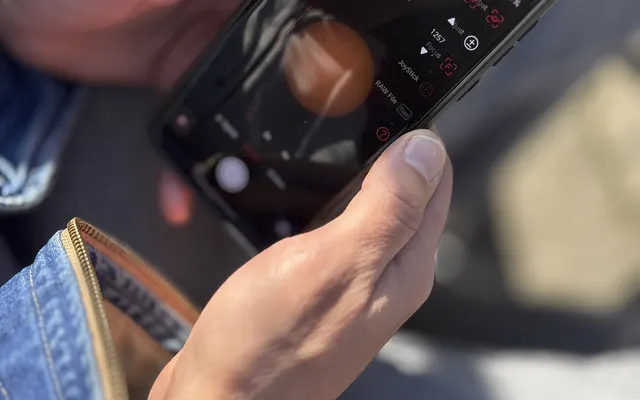
Telcel generally has the widest national footprint; AT&T Mexico and Movistar are competitive in cities and many tourist areas. We do not assign coverage scores. If you will sit in one resort, many Mexico eSIMs will be adequate once you confirm the local partner. If you will drive between states, take ferries, or travel into smaller towns, confirm the network and treat offline maps as a backup, not a last thought.
eSIM Plan Advice By Trip Type
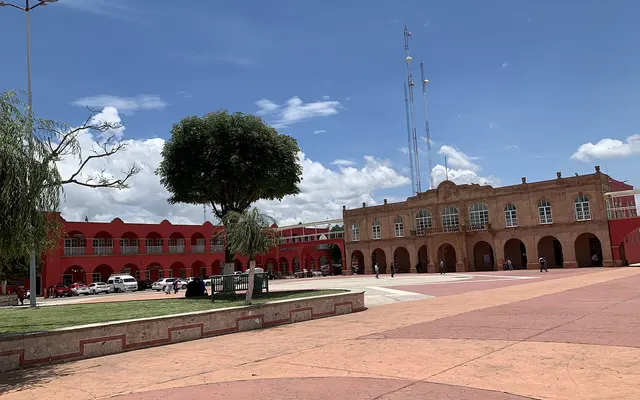
A Mexico country plan is usually the best value if Mexico is your only stop. If the same trip includes the United States, look for a North America regional plan and confirm that both countries are listed, including any brief airport layover where you might need data. Canadian carriers also sell Mexico or Canada-US-Mexico roaming packages; those can make sense for frequent crossings, but caps and exclusions change. Confirm current carrier terms rather than assuming last year's package still applies.
Tips for Canadians
From Canada, Mexico trips are often one or two weeks in a resort, sometimes combined with a US stop. That split is the planning point: a Mexico-only eSIM is simple for a single-country holiday; a North America plan is worth confirming if you land in the US, drive from a US state, or visit both. Your Canadian number can stay reachable for calls and codes. Confirm how your carrier treats voice and SMS roaming in Mexico, which is separate from data.
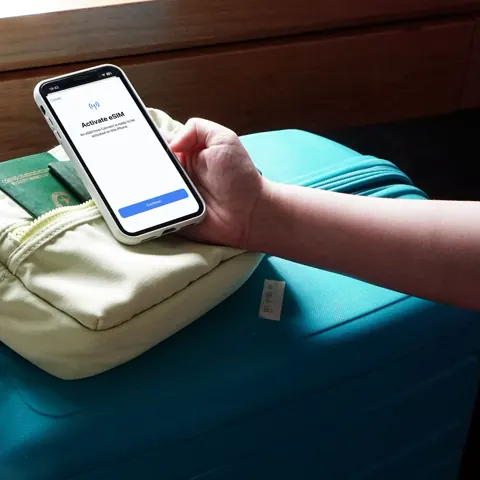
Install the eSIM before you fly. Validity may start at install or at first use — confirm which. Keep your Canadian number on the main line, set data to the eSIM, and turn Canadian data roaming off so a background app cannot run up a roaming bill. Ride-hailing, banking and messaging all work more smoothly with a reliable data path than with hotel Wi-Fi alone. If two people will share one plan, confirm whether personal hotspot is allowed.
If the same ticket includes a US airport or a US road leg, confirm a North America regional plan that lists both countries, or buy two plans. Install at home, confirm when validity starts, and turn Canadian data roaming off after you arrive. Confirm hotspot rules if you will share the plan between a hotel and a day trip.
Safety and Connectivity Tips
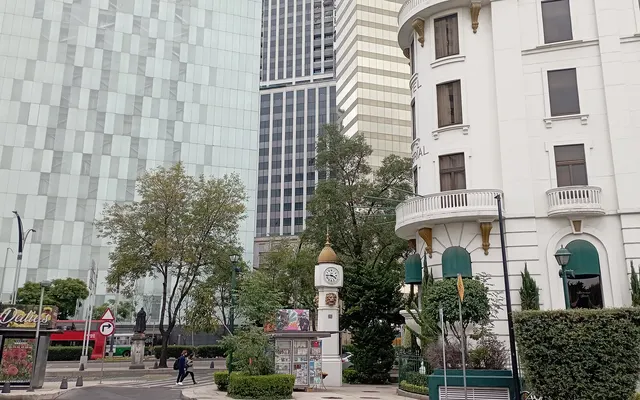
Follow current government travel advice for the states you will visit; guidance can differ by region, and we do not invent risk scores. In tourist zones, the usual habits apply: use official taxis or a known ride-hailing app, keep valuables in sight, and confirm excursion operators. For connectivity, the useful habits are to share your day's route if you will drive inland, keep a charger with you, and download maps before you leave the hotel zone. Emergency numbers and procedures may differ from Canada; confirm them with your hotel.
Keep your Canadian line installed for calls and banking texts, set mobile data to the Mexico eSIM after you arrive, and turn data roaming off on the Canadian line unless you have confirmed that a carrier Mexico or North America pack is what you want to use. Wi-Fi calling on the Canadian number may work on hotel Wi-Fi; confirm that with your carrier. A travel eSIM is not travel insurance and is not a substitute for official advice. If you add a US leg, confirm that your data plan actually lists both countries before you cross the border.
What Canadians Should Also Know
- Resort Wi-Fi is often slow or limited to lobbies; a small data plan covers maps, ride-hailing and messaging.
- If you also visit the US on the same trip, look for a North America regional plan.
Frequently Asked About eSIMs in Mexico
Do I need a regional plan if I only visit Mexico?
Is resort Wi-Fi enough without an eSIM?
How Much Data to Buy for Mexico
For maps, messaging and bookings, most travellers use roughly 0.25–0.5 GB a day. Add more for video calls, social uploads or using your phone as a hotspot. These figures are a starting point, not a measured study and not a provider quote. Confirm plan sizes on the provider's site.
| Trip | Light use | Moderate | Heavy |
|---|---|---|---|
| 1 week | 2–3 GB | 5 GB | 10 GB+ |
| 2 weeks | 3–5 GB | 10 GB | 20 GB+ or unlimited |
| 1 month | 5–10 GB | 20 GB | Unlimited |
Estimates, not provider figures. Use the compare tool for Mexico for a personalised estimate.
Step-by-step dual-SIM settings: keep your Canadian number. For a broader look at carrier roaming versus a travel eSIM, see Canadian carrier roaming (confirm current rates in your account; we do not invent prices).
Compare Plans for Mexico
Confirm price, validity, country list and network on the provider's site before you buy. Order below is fixed; providers cannot pay for position. Until a tracking link is configured, some buttons open an official-site interstitial rather than an earning link. Disclosure.
Opens Airalo in a new tab. 1 GB / 3 days. Checked 2026-11-18. Confirm the live price before you pay. You pay only the eSIM plan price; no carrier roaming charges.
- Yesim View plans
- Saily View plans
- Airalo View plans
- GigSky See Similar Plans at Yesim
- Drimsim View plans
- Holafly See Similar Plans at Yesim
- Nomad See Similar Plans at Yesim
- Maya Mobile See Similar Plans at Yesim
- Ubigi See Similar Plans at Yesim
- aloSIM See Similar Plans at Yesim
Open the compare planner for Mexico.
Airport Transfers
- Kiwitaxi View offers
- Welcome Pickups View offers
Car Rentals
- Localrent View offers
- GetRentacar View offers
- QEEQ View offers
- Economybookings View offers
Tours and Tickets
- Tiqets View offers
- Klook View offers
- WeGoTrip View offers
Flight Delay Claims
- AirHelp View offers
Flights
- Aviasales View offers
 eSIM for Cuba
 eSIM for Dominican Republic
 eSIM for Jamaica
 eSIM for Costa Rica
 eSIM for Colombia
 eSIM for Peru