- Recommended
- Country plan
- Region
- Asia-Pacific
- Major networks
- Globe · Smart · DITO
- Country code
 PH
Overview
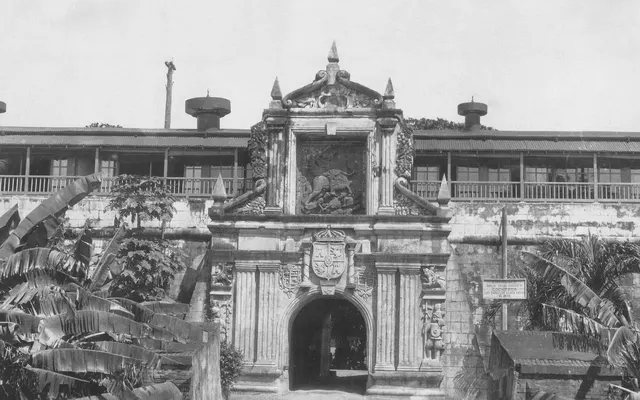
The Philippines is a country-plan destination, but it is not one coverage story. Globe, Smart and DITO are the major networks. Manila and Cebu are generally the best served. Coverage differs a lot between islands. Confirm the partner network on the plan page, especially if you will leave Manila for Palawan, a smaller Visayan island, or a ferry-heavy itinerary.
Top Cities and Places in Philippines
Manila and Cebu are generally the best-served cities; Palawan, Bohol or a smaller Visayan island is often the reason people extend the trip. Coverage differs a lot between islands. Confirm whether the plan uses Globe, Smart or DITO, especially outside Manila and Cebu. Smart or Globe are usually the safer starting point outside the capital, but you should still confirm and download ferry details before you leave a larger city.
Regions

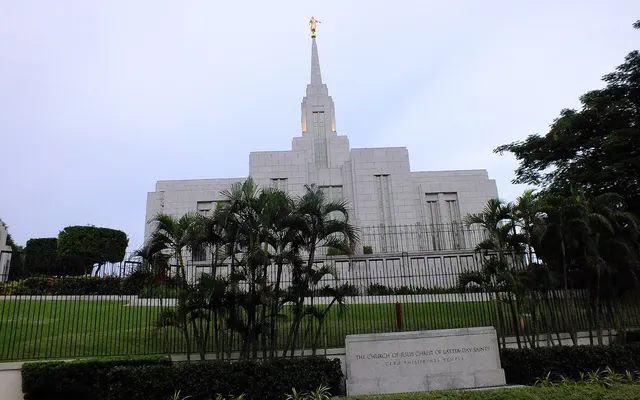
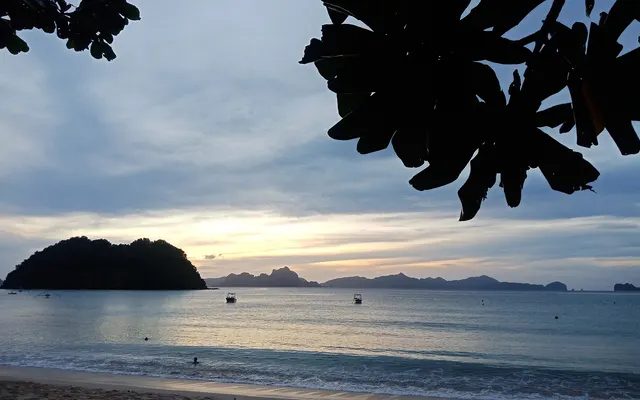
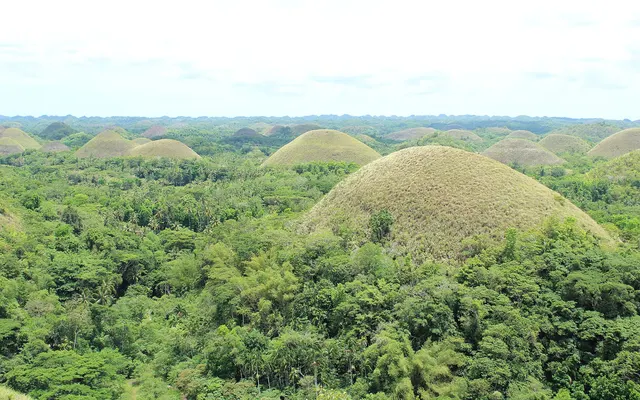
The Philippines is an archipelago of many islands, and a first trip from Canada usually picks one or two island groups rather than trying to see the whole country. Luzon holds Manila, the capital and the usual international arrival, and, a few hours away, landscapes such as the Taguig or Makati business stays in the metro, and, further, places such as the Palawan or northern Luzon circuits that are not a short hop. Palawan, with El Nido and Coron, is a separate island plan and a common first beach-and-karst trip. The Visayas include Cebu, Bohol and, for some, Boracay, each with its own airport or ferry combination. Mindanao is a different, more specialist plan and should be approached with current official advice, not as an casual add-on to a Cebu week.
Coverage is generally decent in Metro Manila, Cebu and the main tourist towns, and more variable in smaller islands, in mountain interiors, and between ferries. You usually do not need a different eSIM product for Cebu versus Manila, but you should confirm the partner network — Globe, Smart or DITO, depending on the plan — if you will island-hop. A travel eSIM will not follow you automatically across every remote beach; download offline maps, and confirm a regional plan only if another country is actually on the itinerary.
People and Demographics
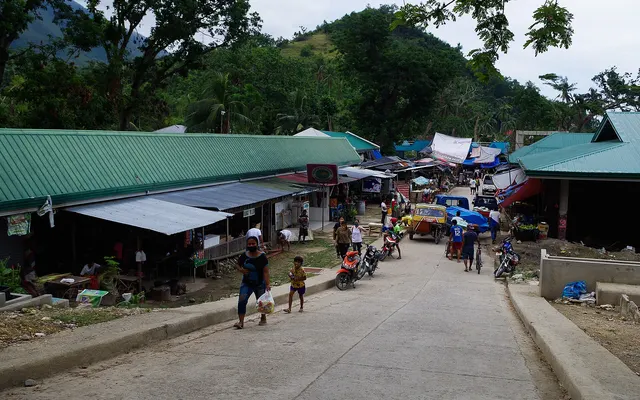
The Philippines has a population of around 110 million; confirm the latest official figure if you need a current total. Filipino (based on Tagalog) and English are official languages, and English is more widely usable in hotels, signs and many services than in much of Southeast Asia, which makes a first trip easier. Many other languages are spoken across the islands, including Cebuano in the Visayas; as a visitor you can usually travel in English in the main tourist areas, and a little awareness of the local language is appreciated. The population is predominantly Christian, mostly Catholic, which shapes public holidays, fiesta calendars and some Sunday rhythms, with Muslim communities especially in parts of the south, and other groups in the cities.
Metro Manila is by far the largest urban area and the capital region. Cebu, Davao and other regional metros are significant; tourist towns such as El Nido are small as year-round places relative to their visitor traffic. The photographs on this page follow a common first-trip pattern: a Palawan or Visayan seascape, Manila as the arrival city, and a second island or town. Population and mobile capacity are concentrated in the large metros; many smaller islands are more sparsely served, which is why coverage should be confirmed if you will hop beyond the main towns.
Currency and Costs
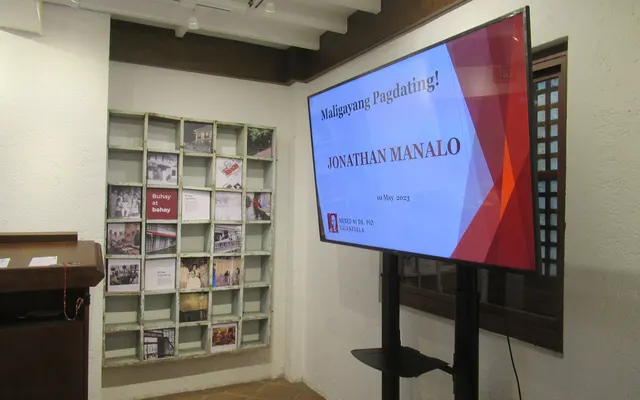
The currency is the Philippine peso. Cards are accepted in Manila hotels, malls and many restaurants, and in some island resorts; cash is still very useful for ferries, tricycles, smaller restaurants and island towns. ATMs are common in the cities and in larger tourist towns; confirm fees with your Canadian bank, and do not rely on a small-island machine being stocked. We do not publish hotel or restaurant prices. Beach resorts in high season can be expensive; everyday meals in towns often are not — confirm current prices for your dates.
Tipping customs differ from North America; confirm if a service charge is already on the bill. For the eSIM, confirm the plan price on the provider's site. A Philippines-only plan is enough for a Manila-and-islands trip that never leaves the country. If you will also visit another Southeast Asian country on the same holiday, confirm a regional plan and the country list. Confirm ATM and card access on smaller islands before you travel light on cash.
Best Time to Visit
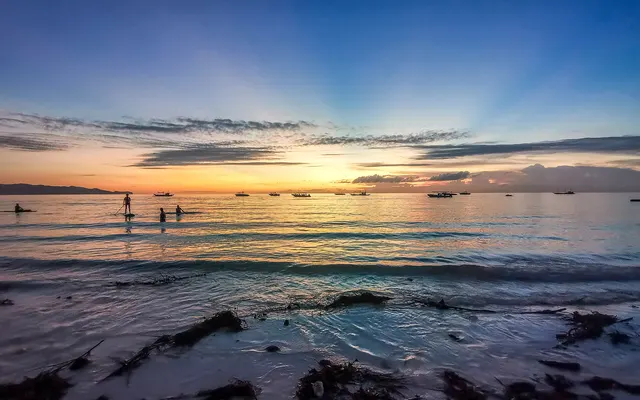
The drier period in many of the western and northern visitor areas is often roughly from late autumn through early spring, which is also high season for Canadians leaving winter at home; confirm the island you will actually visit, because the east-facing coasts can have a different rain pattern. Mid-year months are typically wetter in much of the country, and the typhoon season, generally from mid-year into autumn, can affect Luzon and the Visayas; confirm forecasts and travel insurance if you are booking then.
Holy Week and some fiesta periods can affect transport and crowds; confirm dates. For an eSIM, a one- or two-week island trip is a simple validity window. A trip that hops between smaller islands, or that includes a typhoon-season stay, is when you should confirm the partner network, download offline maps, and have a way to follow official weather notices. Heat and humidity are year-round planning issues; a working phone helps you rearrange a ferry when a crossing is cancelled.
Getting There From Canada
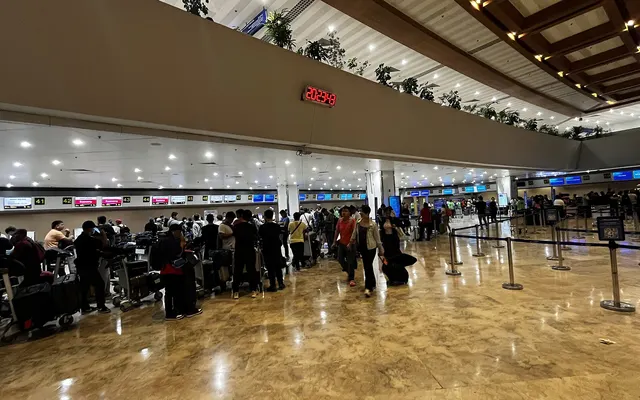
Toronto Pearson (YYZ) and Vancouver (YVR) typically reach Manila with one stop, often through the Middle East, East Asia or another Pacific hub; some itineraries also serve Cebu. Montréal–Trudeau (YUL) is also usually a connecting itinerary. Confirm current schedules. If you connect through another country, a Philippines eSIM will not cover that layover unless the plan lists the layover country.
Manila is the usual first city; Cebu is a better first landing if the trip is centred on the Visayas. Confirm which airport your ticket uses — Manila's airport codes and terminals can be confusing — and how you will reach the first hotel, because Metro Manila traffic is a real transfer-time problem. Entry rules for Canadian citizens should be confirmed before you fly, including any visa-exemption length or arrival conditions; a travel eSIM does not replace a passport. Confirm official advice.
Getting Around
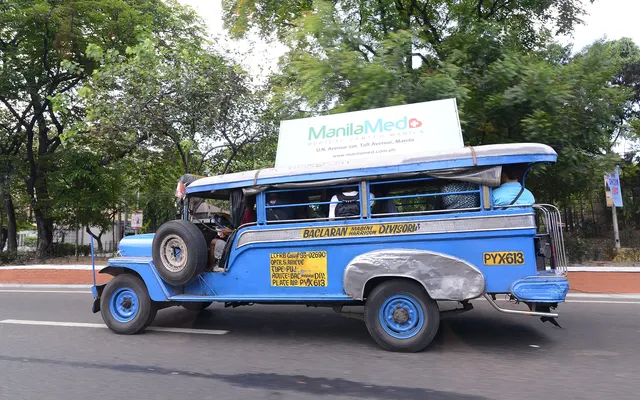
In Metro Manila, ride-hailing, official taxis, some rail lines and a lot of traffic are the reality of getting across the city; a data path makes pickups much easier, and an airport-to-hotel plan you have already confirmed is worth more than an improvised walk. Between islands, domestic flights are often the most reliable tool; ferries and fast crafts serve many shorter hops, with weather cancellations as a real possibility. Tricycles and jeepneys are part of local transport; confirm fares and your comfort before you rely on them with luggage.
Download offline maps before a smaller-island or rural day. Coverage can dip between islands, in mountain interiors and on some beach stretches. Do not treat a travel eSIM as a safety device on a boat or a hike. Confirm ferry and flight times in a screenshot, and build slack into island-hopping connections. Keep a portable charger with you in the heat. If a later flight leaves from a different island, treat that as a transport plan, not as an assumption.
Mobile Networks and Coverage
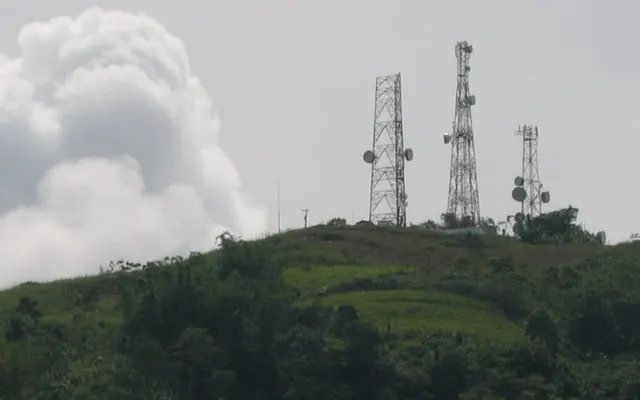
Metro Manila and Cebu are typically the strong part. Other islands can depend heavily on which network the eSIM uses; Smart or Globe are usually the safer starting point outside the capital, but you should still confirm. We do not publish an island coverage table. Download offline maps and ferry details before you leave a larger city.
eSIM Plan Advice By Trip Type
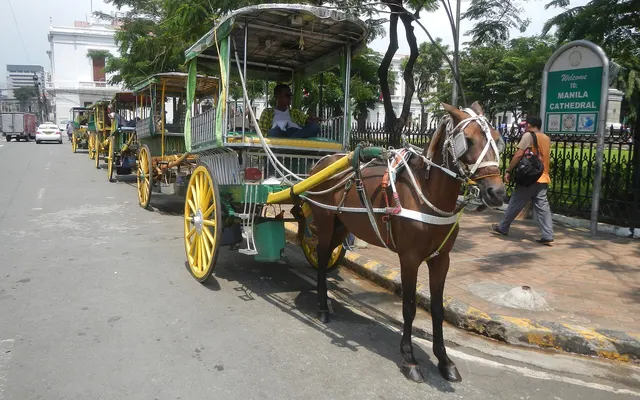
A Philippines country plan is the usual choice for a single-country trip. Confirm validity start and hotspot rules. A regional Southeast Asia plan is only useful if it lists the Philippines and every other country on your ticket.
Tips for Canadians
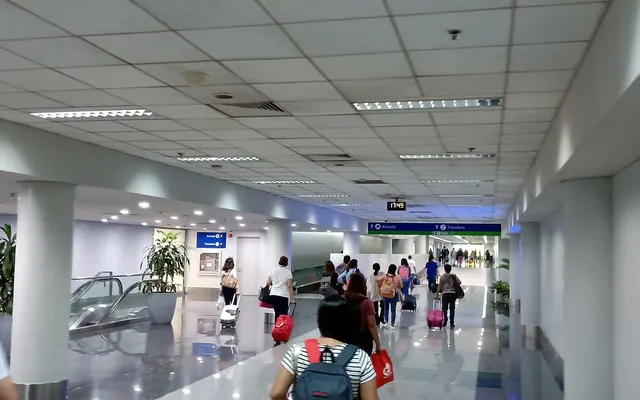
Flights from Canada usually connect through another hub. A Philippines eSIM will not cover a US or Asia layover. Confirm a transit option if you need one. Your Canadian number can stay installed; confirm voice and SMS roaming with your carrier.
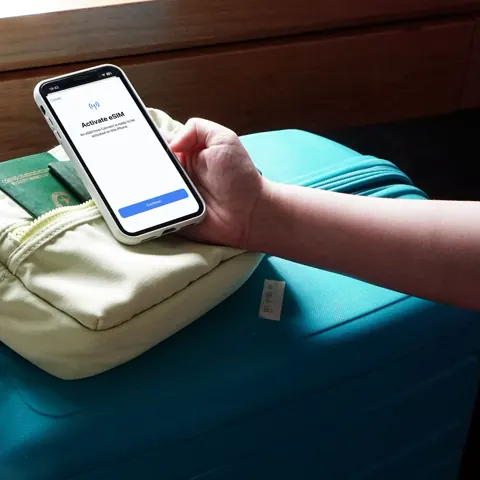
Install at home. Keep your Canadian line for calls and codes. Set data to the eSIM after landing in Manila or Cebu and turn Canadian data roaming off. Confirm hotspot permission if you share a plan. Do not rely on airport or port Wi-Fi alone once you start island-hopping.
Install at home, keep the Canadian line for calls and codes, and turn Canadian data roaming off after you land in Manila or Cebu. Confirm hotspot rules if you share a plan. Do not rely on airport or port Wi-Fi alone once you start island-hopping. A Philippines eSIM will not cover a US or Asia layover; confirm a transit option if you need one.
Safety and Connectivity Tips
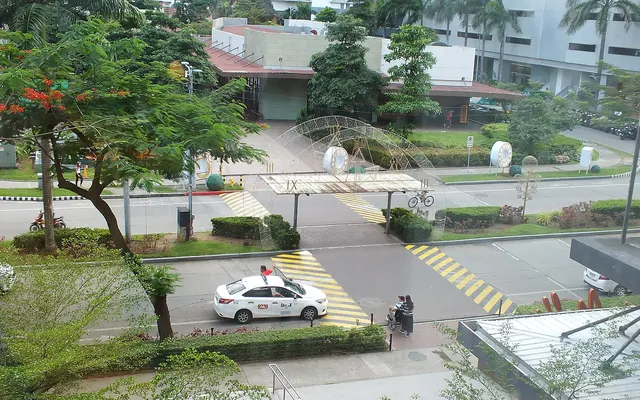
Follow current official travel advice for the Philippines; guidance can differ by island and region, especially in some southern areas, and we do not invent risk scores. In Manila and in tourist towns, the usual habits apply: keep valuables in sight, use official taxis or a known ride-hailing app, and be careful of unsolicited tours. Emergency numbers may differ from Canada; confirm them with your hotel. Typhoons, heat, traffic and boat safety are more common practical issues than many first-time visitors expect; confirm weather notices and use reputable boat operators.
Keep your Canadian line installed for calls and banking texts, set mobile data to the Philippines eSIM after you arrive, and turn data roaming off on the Canadian line unless you have confirmed a carrier pack. Wi-Fi calling on the Canadian number may work on hotel Wi-Fi; confirm that with your carrier. Share your island-hopping plan, and download maps while you still have a signal. A travel eSIM is not travel insurance and is not a substitute for official weather or regional advice.
What Canadians Should Also Know
- Coverage differs a lot between islands; plans on Smart or Globe are the safer choice outside Manila.
Frequently Asked About eSIMs in Philippines
Is a Manila eSIM enough for Palawan or other islands?
Globe, Smart or DITO — does it matter?
How Much Data to Buy for Philippines
For maps, messaging and bookings, most travellers use roughly 0.25–0.5 GB a day. Add more for video calls, social uploads or using your phone as a hotspot. These figures are a starting point, not a measured study and not a provider quote. Confirm plan sizes on the provider's site.
| Trip | Light use | Moderate | Heavy |
|---|---|---|---|
| 1 week | 2–3 GB | 5 GB | 10 GB+ |
| 2 weeks | 3–5 GB | 10 GB | 20 GB+ or unlimited |
| 1 month | 5–10 GB | 20 GB | Unlimited |
Estimates, not provider figures. Use the compare tool for Philippines for a personalised estimate.
Step-by-step dual-SIM settings: keep your Canadian number. For a broader look at carrier roaming versus a travel eSIM, see Canadian carrier roaming (confirm current rates in your account; we do not invent prices).
Compare Plans for Philippines
Confirm price, validity, country list and network on the provider's site before you buy. Order below is fixed; providers cannot pay for position. Until a tracking link is configured, some buttons open an official-site interstitial rather than an earning link. Disclosure.
Opens Yesim in a new tab. We do not have a verified published price for this destination yet. Confirm the live price on the provider's site before you pay. You pay only the eSIM plan price; no carrier roaming charges.
- Yesim View plans
- Saily View plans
- Airalo View plans
- GigSky See Similar Plans at Yesim
- Drimsim View plans
- Holafly See Similar Plans at Yesim
- Nomad See Similar Plans at Yesim
- Maya Mobile See Similar Plans at Yesim
- Ubigi See Similar Plans at Yesim
- aloSIM See Similar Plans at Yesim
Open the compare planner for Philippines.
Airport Transfers
- Kiwitaxi View offers
- Welcome Pickups View offers
Car Rentals
- Localrent View offers
- GetRentacar View offers
- QEEQ View offers
- Economybookings View offers
Tours and Tickets
- Tiqets View offers
- Klook View offers
- WeGoTrip View offers
Flight Delay Claims
- AirHelp View offers
Flights
- Aviasales View offers
 eSIM for Japan
 eSIM for South Korea
 eSIM for China
 eSIM for Hong Kong
 eSIM for Thailand
 eSIM for Vietnam