- Recommended
- Country plan
- Region
- Latin America
- Major networks
- Claro · Movistar · Entel · Bitel
- Country code
 PE
Overview
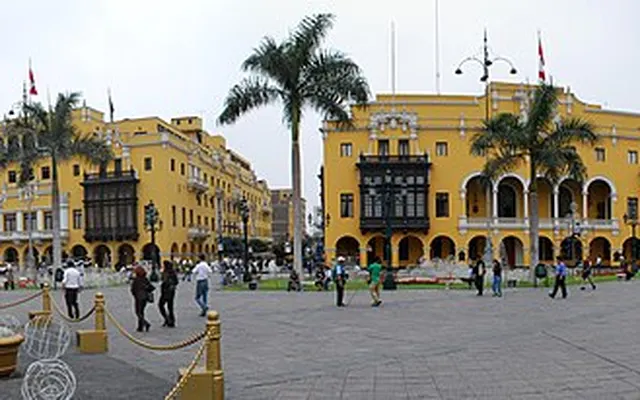
Peru is a country-plan destination for most Canadian visits. Claro, Movistar, Entel and Bitel are the major networks. Lima, Cusco, Arequipa and other cities are generally usable. Trekking routes such as the Inca Trail, high passes and many remote stretches have little or no mobile data. Treat a travel eSIM as a city-and-town tool, not as a mountain safety device.
Top Cities and Places in Peru
Lima is the usual arrival city; Cusco, the Sacred Valley and Machu Picchu are the reason many Canadians come, with Arequipa or the south sometimes added. Treat data as a city-and-town tool. The Inca Trail, high passes and some valley stretches between towns can be weak or empty. Download offline maps and tickets in Lima or Cusco before you leave for the trail or the site.
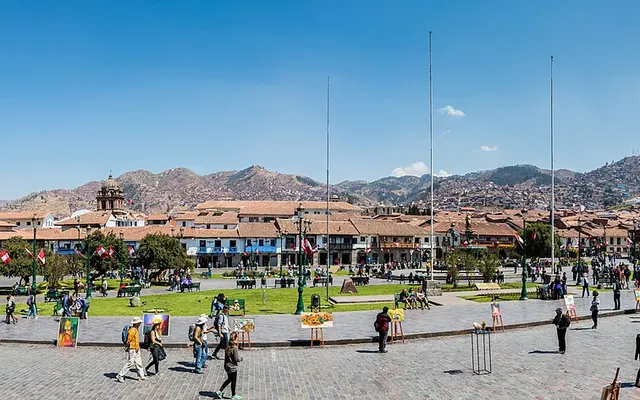
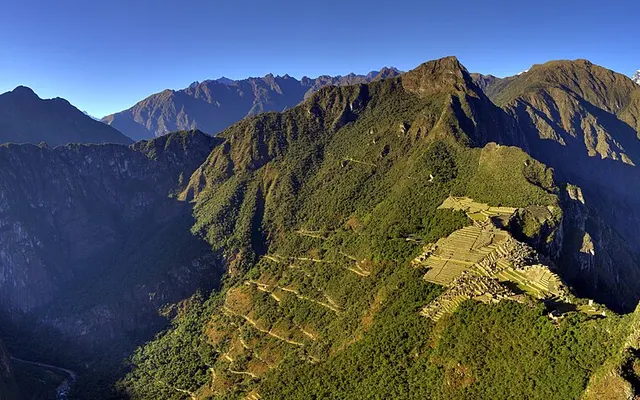
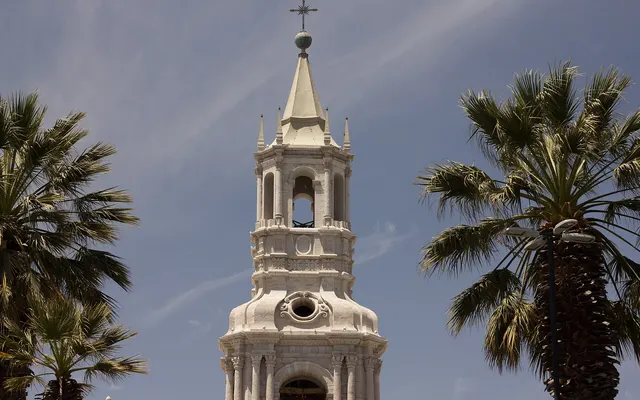
Regions
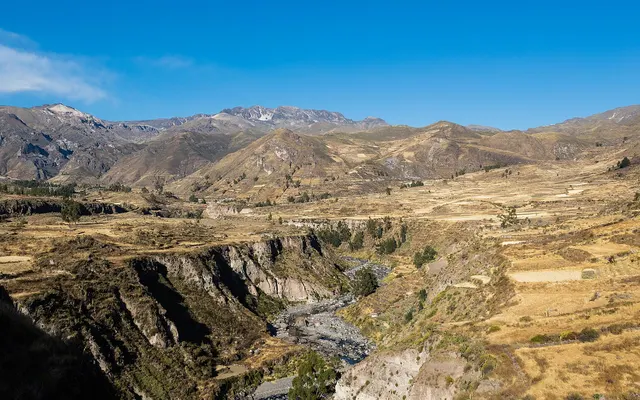
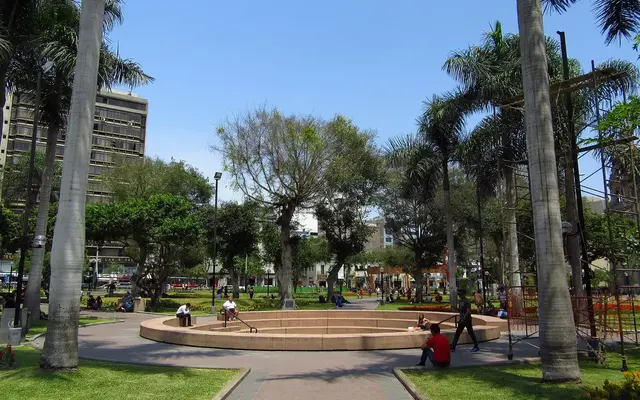
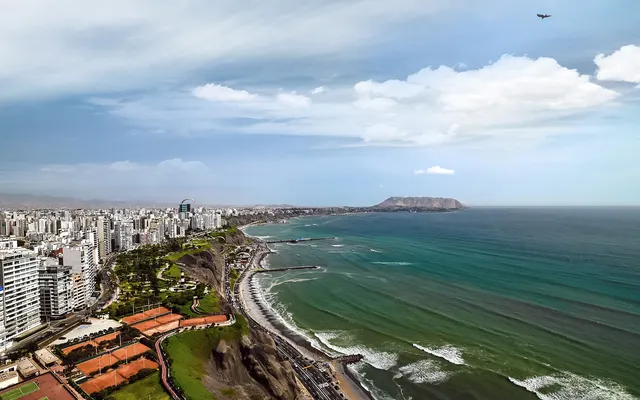
Peru is usually planned as a series of altitudes and climates rather than as a single country-shaped trip. Lima, on the desert coast, is the capital and the usual international arrival; the historic centre and the neighbourhood of Miraflores, which appears on this page, are a city stop or a longer stay in their own right. Cusco and the Sacred Valley sit high in the Andes and are the starting point for most visits to Machu Picchu; they are not a short drive from Lima. Arequipa and, further into the southern Andes, the Colca area and Lake Titicaca are a separate southern circuit.
The north coast, including areas around Trujillo, and the Amazon basin, often reached via Puerto Maldonado or Iquitos, are different trips again, with different weather and coverage. The road and flight distances are long. Coverage is generally strongest in Lima, Cusco and other large cities, and more variable in the Sacred Valley, on the Inca Trail approaches, in high passes, and in the Amazon. You do not need a different eSIM product for Lima versus Cusco, but you should confirm the partner network — Claro, Movistar or Entel — if you will spend days in smaller Andean towns or in the jungle, and you should download offline maps before you leave the city.
People and Demographics
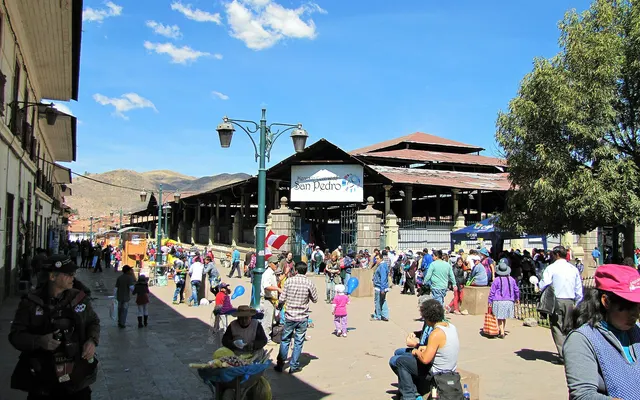
Peru has a population of around 33 million; confirm the latest official figure if you need a current total. Spanish is the main official language of government and travel, and Quechua and Aymara also have official status; you will hear Quechua in parts of the Andes, including around Cusco, though Spanish remains the language of most hotels and tickets. English is limited outside tourist services in Lima, Cusco and Machu Picchu-oriented businesses. A little Spanish helps.
The population is predominantly Christian, mostly Catholic, with other traditions, including Andean religious practices, also part of public life and festivals. This can affect festival calendars in Cusco and elsewhere more than it affects an eSIM plan. Lima is by far the largest metro. Arequipa, Trujillo and Chiclayo are among the next-largest cities; Cusco is smaller as a year-round city than its visitor traffic suggests. The photographs on this page follow the classic first-trip pattern: Machu Picchu, Cusco, and Miraflores in Lima.
Currency and Costs
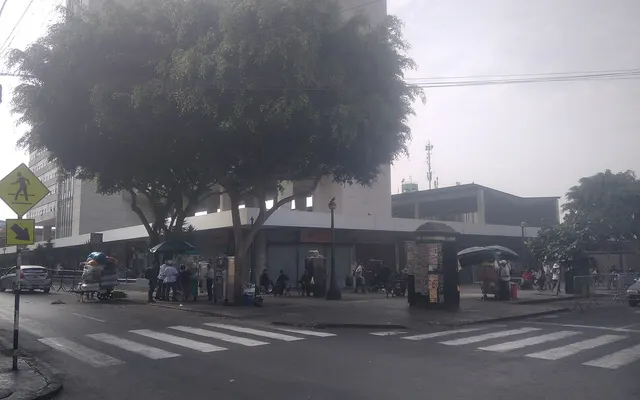
The currency is the Peruvian sol. Cards are widely accepted in Lima, in many Cusco businesses and in mid-range hotels. Cash is still useful for smaller restaurants, markets, some colectivos and towns in the Sacred Valley. ATMs are common in the cities; confirm fees with your Canadian bank, and do not rely on a rural machine being stocked. We do not publish hotel or trek prices. Machu Picchu tickets, trains and peak-season lodges should be confirmed well ahead; Lima restaurant prices are a different, more everyday market. Confirm current prices for your dates.
For the eSIM, confirm the plan price and validity on the provider's site. If you will also visit Bolivia or Ecuador, confirm a regional plan or a second country plan; a Peru eSIM will not cover those countries by default. Beware informal money changers. As elsewhere on this site, we do not invent exchange-rate forecasts or trail fees.
Best Time to Visit
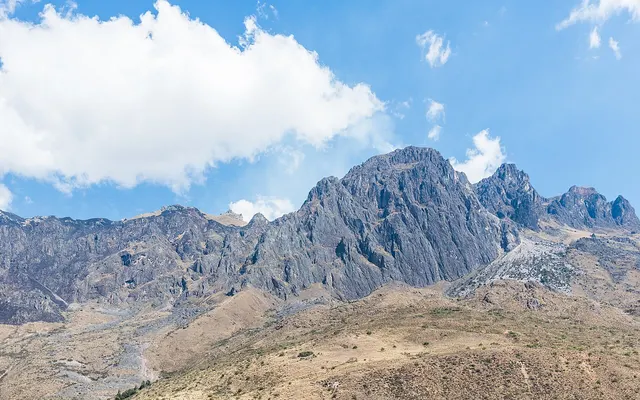
The dry season in the Cusco and Machu Picchu highlands is generally from around May through September, which is also the busiest period on the Inca Trail and in the Sacred Valley; the wetter period, roughly November through March, can mean rain, landslides and cloud on the ruins, with February often a quieter and wetter month, and the Classic Inca Trail typically closed in February — confirm current trail and ticket rules. Lima has a different climate: a mild desert coast, often grey in the cooler months, and warmer, clearer stretches at other times of year. The Amazon is humid year-round, with water levels that change by season.
For an eSIM, a dry-season Cusco week is a short validity window with a clear ticket calendar. A wet-season or multi-region trip, especially one that includes a jungle lodge or high-pass roads, is when offline maps, downloaded tickets and a confirmed partner network matter more. Altitude in Cusco and on the way to Machu Picchu is a health planning issue; arrive with a working phone so you can reach a hotel or a clinic if you need to.
Getting There From Canada
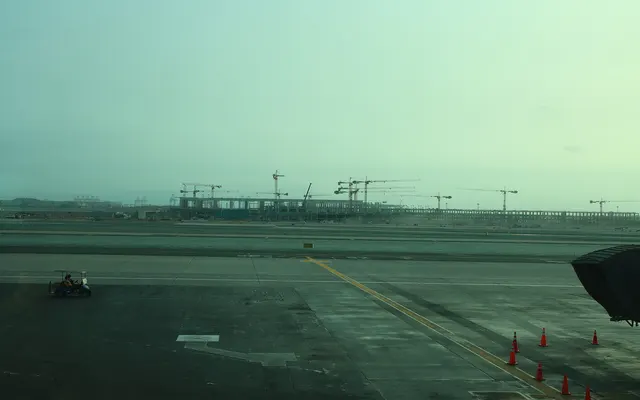
Toronto Pearson (YYZ) typically reaches Lima with one connection, often through a US or Latin American hub; Montréal–Trudeau (YUL) and Vancouver (YVR) are also usually connecting itineraries. Direct options have existed at times and can change, so confirm current schedules rather than assuming a non-stop. If you connect through the United States, a Peru eSIM will not cover that layover unless the plan also lists the US.
From Lima, a domestic flight is the normal way to reach Cusco, Arequipa or the Amazon; the road alternative to Cusco is long. Confirm baggage rules on the domestic leg, especially for a backpack or a day-pack you will use at altitude. Entry rules for Canadian citizens have been relatively straightforward for short tourist stays in recent years, but they can change, and other passport holders should confirm visa requirements. A travel eSIM does not replace a passport. Confirm official advice, and confirm Machu Picchu ticket rules on official channels.
Getting Around
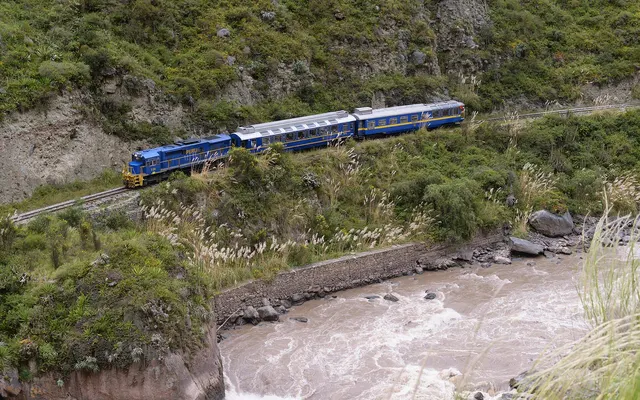
In Lima, ride-hailing, official taxis and some bus systems are how many visitors move between Miraflores, Barranco and the historic centre; a data path makes pickups easier. In Cusco, walking the centre, short taxis and organised Sacred Valley tours are the usual mix. Machu Picchu is reached by train and bus, or on a permitted trek, not by a casual drive. Between regions, fly when you can.
Download offline maps and tickets before you leave Lima or Cusco. Coverage can dip in the Sacred Valley, at the ruins, in high passes and in the Amazon. Do not treat a travel eSIM as a safety device on a trail. Confirm train and bus times in a screenshot. If you later enter Bolivia at Lake Titicaca, your Peru plan stops at the border unless a regional plan lists Bolivia. Keep a portable charger with you at altitude, where cold and long days drain batteries faster.
Mobile Networks and Coverage
Cities, larger towns and some highway corridors are the realistic coverage zone. High-altitude treks, canyon roads and overnight routes between regions can be silent for hours. We do not claim otherwise. Confirm the partner network if you will spend time outside the main tourist cities. Download offline maps, tickets and lodge directions before you leave Cusco or Lima.
eSIM Plan Advice By Trip Type
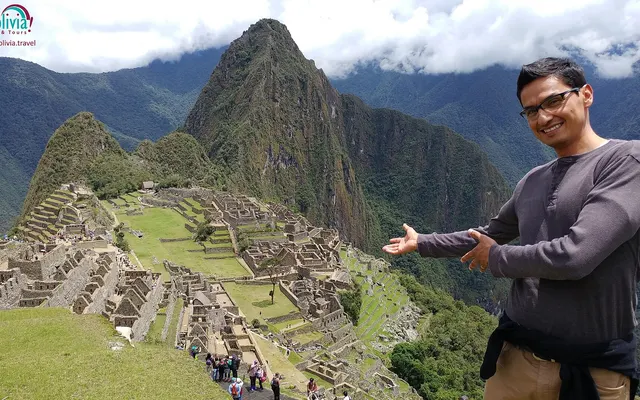
A Peru country plan is usually enough if Peru is your only stop. If Bolivia, Chile, Ecuador or Colombia is on the same trip, confirm a South America regional plan that lists every country. Confirm validity start, and do not expect a regional plan to invent coverage where no local network exists.
Tips for Canadians
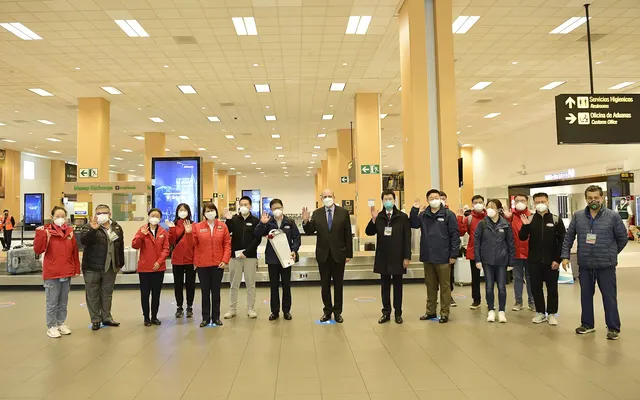
Most Canadian itineraries combine Lima with Cusco and the Sacred Valley, sometimes with a south or north extension. Your Canadian number can stay reachable in cities. Confirm carrier voice and SMS terms. If you transit the United States, confirm a separate US data option. An eSIM will not replace a local emergency plan in the mountains — tell someone your route before you go offline.
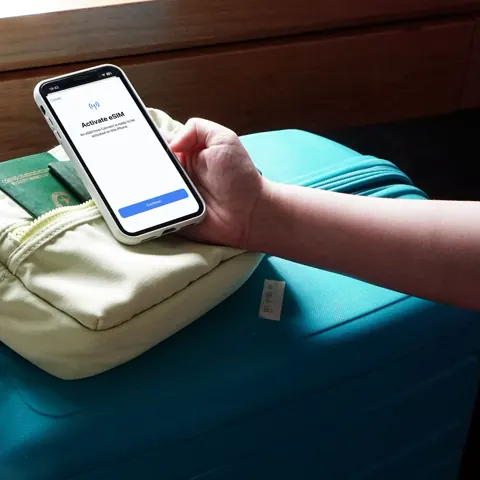
Install at home. Keep your Canadian line for calls and codes, set data to the eSIM in the city, and turn Canadian data roaming off. On trek days, assume you will not have data and plan meeting points, not live messaging. Confirm hotspot rules if you share a plan in Lima or Cusco. Altitude and weather are travel planning issues, not eSIM issues, but they do affect whether you should rely on a live map.
Install at home and confirm when validity starts, especially if you will connect in Lima for a night before flying to Cusco. Keep the Canadian line for calls and codes, set data to the eSIM after landing, and turn Canadian data roaming off. Confirm hotspot rules. A travel eSIM is not a trekking safety system; share your route and a check-in time before you go offline.
Safety and Connectivity Tips
Follow current official travel advice for Peru; guidance can differ by region, and we do not invent risk scores. In visitor areas, the usual habits apply: use official taxis or a known ride-hailing app, keep valuables in sight in crowded streets and on buses, and use official ticket channels for Machu Picchu. Altitude sickness is a more common practical issue than first-time visitors expect; plan a slower first day in Cusco. Emergency numbers may differ from Canada; confirm them with your hotel.
Keep your Canadian line installed for calls and banking texts, set mobile data to the Peru eSIM after you arrive, and turn data roaming off on the Canadian line unless you have confirmed a carrier pack. Wi-Fi calling on the Canadian number may work on hotel Wi-Fi; confirm that with your carrier. Share your trek or valley plan with someone, and download maps while you still have a signal. A travel eSIM is not travel insurance and is not a substitute for official trail or health advice.
What Canadians Should Also Know
- Coverage on trekking routes such as the Inca Trail is limited; treat data as a city-and-town tool.
Frequently Asked About eSIMs in Peru
Will an eSIM work on the Inca Trail or at Machu Picchu?
Is a South America regional plan useful if I also visit Bolivia or Chile?
How Much Data to Buy for Peru
For maps, messaging and bookings, most travellers use roughly 0.25–0.5 GB a day. Add more for video calls, social uploads or using your phone as a hotspot. These figures are a starting point, not a measured study and not a provider quote. Confirm plan sizes on the provider's site.
| Trip | Light use | Moderate | Heavy |
|---|---|---|---|
| 1 week | 2–3 GB | 5 GB | 10 GB+ |
| 2 weeks | 3–5 GB | 10 GB | 20 GB+ or unlimited |
| 1 month | 5–10 GB | 20 GB | Unlimited |
Estimates, not provider figures. Use the compare tool for Peru for a personalised estimate.
Step-by-step dual-SIM settings: keep your Canadian number. For a broader look at carrier roaming versus a travel eSIM, see Canadian carrier roaming (confirm current rates in your account; we do not invent prices).
Compare Plans for Peru
Confirm price, validity, country list and network on the provider's site before you buy. Order below is fixed; providers cannot pay for position. Until a tracking link is configured, some buttons open an official-site interstitial rather than an earning link. Disclosure.
Opens Yesim in a new tab. We do not have a verified published price for this destination yet. Confirm the live price on the provider's site before you pay. You pay only the eSIM plan price; no carrier roaming charges.
- Yesim View plans
- Saily View plans
- Airalo View plans
- GigSky See Similar Plans at Yesim
- Drimsim View plans
- Holafly See Similar Plans at Yesim
- Nomad See Similar Plans at Yesim
- Maya Mobile See Similar Plans at Yesim
- Ubigi See Similar Plans at Yesim
- aloSIM See Similar Plans at Yesim
Open the compare planner for Peru.
Airport Transfers
- Kiwitaxi View offers
- Welcome Pickups View offers
Car Rentals
- Localrent View offers
- GetRentacar View offers
- QEEQ View offers
- Economybookings View offers
Tours and Tickets
- Tiqets View offers
- Klook View offers
- WeGoTrip View offers
Flight Delay Claims
- AirHelp View offers
Flights
- Aviasales View offers
 eSIM for Mexico
 eSIM for Cuba
 eSIM for Dominican Republic
 eSIM for Jamaica
 eSIM for Costa Rica
 eSIM for Colombia