- Recommended
- Regional plan (covers several countries — confirm the list)
- Region
- Europe
- Major networks
- Hrvatski Telekom · A1 · Telemach
- Country code
 HR
Overview
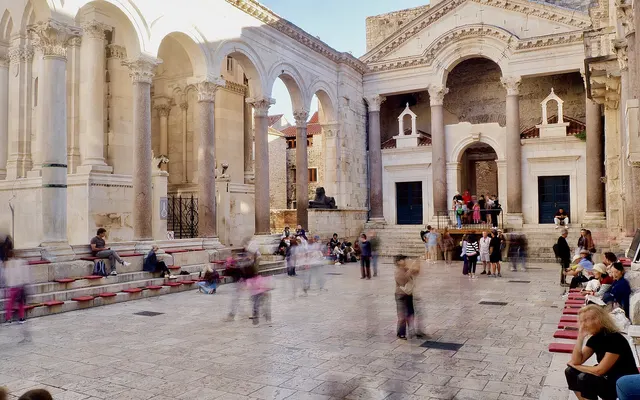
Croatia is a regional-plan destination for most Canadians who will also visit neighbouring European countries, and a country-plan option if Croatia is the only stop. Hrvatski Telekom, A1 and Telemach are the major networks. Dubrovnik, Split, Zagreb and many coastal towns are generally well served; some interior roads and smaller islands can be less consistent. Confirm the partner network on the plan page.
Top Cities and Places in Croatia
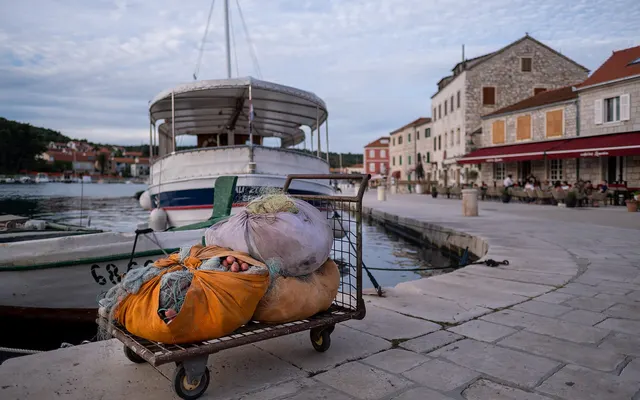
Zagreb is the inland capital; most Canadian holidays also include Split, Dubrovnik and sometimes a boat day toward Hvar or another island. Those cities and the main coast are generally usable. Boat trips usually stay in coverage, but signal can roam onto an Italian network near some sea borders — confirm what your plan does in that case, and confirm Hrvatski Telekom, A1 or Telemach as the partner.

Regions

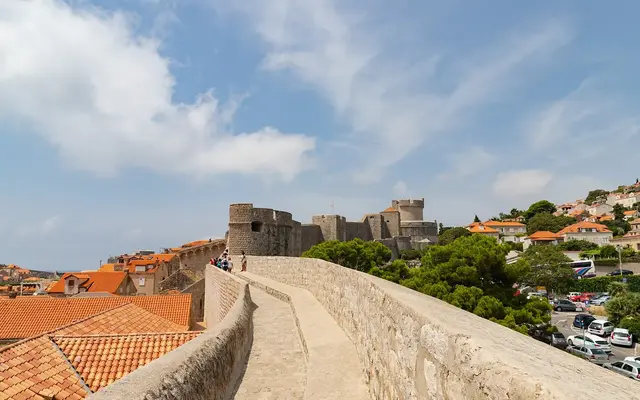
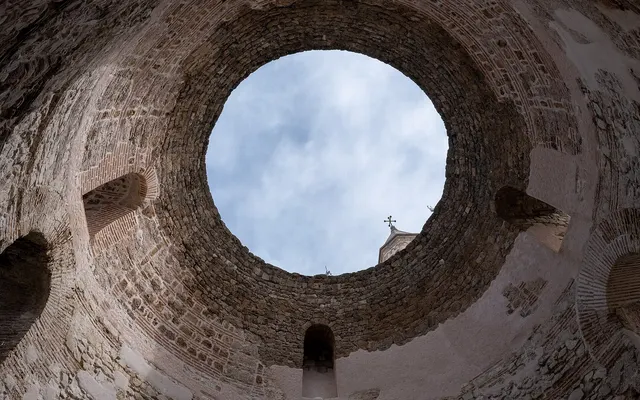
Croatia is usually planned as a Dalmatian coast trip, an Istrian trip, or a combination of Zagreb and the coast, not as a complete national tour in a short week. Zagreb, inland, is the capital and a city arrival for some itineraries. Istria, in the north, includes towns such as Rovinj and Pula, and sits close to Slovenia and Italy. The Kvarner area, including Rijeka and some islands, sits between Istria and Dalmatia. Dalmatia is the classic first trip: Zadar, then Šibenik, Split — a common ferry and flight hub — and, further south, Dubrovnik, which is the setting of many first photographs. The hinterland includes Plitvice Lakes and other inland parks, which are a different, bus-or-car plan from a stone-old-town stay.
Islands such as Hvar, Brač, Korčula and others are part of the Dalmatian plan and are reached by ferry. Coverage is generally strong in Zagreb, Split, Dubrovnik and the main towns, and more variable in some island interiors, in the mountains, and in parks. You usually do not need a different eSIM product for Dubrovnik versus Split, but you should confirm the partner network — Hrvatski Telekom, A1 or Telemach — if you will drive inland, and you should confirm a Europe regional plan if you will also enter Slovenia, Bosnia and Herzegovina, or Montenegro, which are easy add-ons from several Croatian bases.
People and Demographics
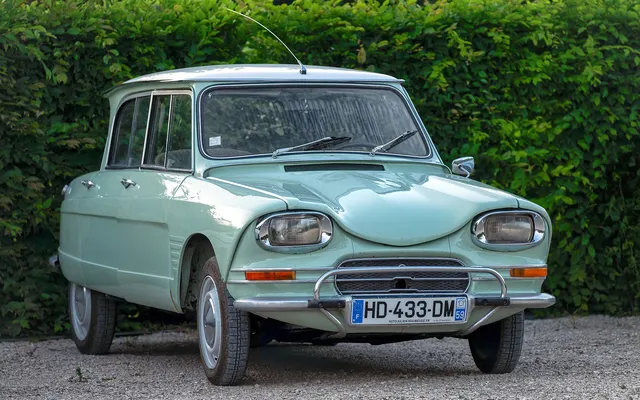
Croatia has a population of around 3.9 million; confirm the latest official figure if you need a current total. Croatian is the official language and the language of daily life. English is common in hotels, in old-town restaurants in Split and Dubrovnik, and in many visitor businesses, and less reliable in smaller inland towns. A little Croatian is appreciated. The population is predominantly Catholic, which shapes public holidays and some festival calendars, with other communities present as well, including Serbian Orthodox and other groups in some regions.
Zagreb is the largest city and the capital. Split is the main city of Dalmatia; Rijeka, Osijek and Zadar are among the other sizable cities; Dubrovnik is smaller as a year-round city than its visitor traffic suggests. The photographs on this page follow a common first-trip pattern: Dubrovnik or Split, an island or harbour, and an inland park. Population and mobile capacity are concentrated in those cities and along the developed coast; some islands and interior stretches are more sparsely inhabited, especially out of summer.
Currency and Costs

The currency is the euro, which Croatia adopted in 2023; older trip reports that talk only about the kuna are out of date. Cards are widely accepted in cities, hotels and many restaurants; cash is still useful for some ferries, market stalls, small cafes and island businesses. ATMs are common in the main towns; confirm fees with your Canadian bank. We do not publish hotel or restaurant prices. Dubrovnik and some islands in midsummer are generally expensive; Zagreb and shoulder-season stays can be easier — confirm current prices for your dates.
Tipping customs differ from North America; confirm if a service charge is already on the bill. For the eSIM, confirm the plan price on the provider's site. A Europe regional plan is usually the better tool if you will also visit Slovenia, Italy, Bosnia and Herzegovina, or Montenegro — and you should confirm that the plan actually lists those non-EU neighbours, because not every 'Europe' product does. A Croatia-only plan is enough for a Split-and-Dubrovnik trip that never leaves the country.
Best Time to Visit

June through September is the main coastal season, with July and August the busiest and most expensive in Dubrovnik, Split and the popular islands. May, June and September are often a better compromise, with swimming still possible in the later shoulder and fewer crowds than midsummer. Winter is a quieter city season in Zagreb, and a much quieter, sometimes partly closed, season in some island and old-town businesses; it can still be a good time for a city break if you accept shorter days and some rain.
For an eSIM, a one-week summer coastal trip is a simple validity window. A trip that adds Plitvice, a quieter island, or a crossing into Bosnia and Herzegovina or Montenegro is when you should confirm the partner network, the country list, and offline maps. Midsummer heat and crowds in the old towns are planning issues; a working phone helps you time tickets and ferry queues.
Getting There From Canada

Toronto Pearson (YYZ) and Montréal–Trudeau (YUL) typically reach Zagreb, Split or Dubrovnik with one connection, often through a European hub; some seasonal charters or summer connections also serve the coast more directly. Vancouver (YVR) is usually a longer connecting itinerary. Confirm current schedules, because coastal flights are highly seasonal. If you connect through another European airport, a Croatia eSIM will not cover that layover unless the plan lists the layover country.
Split and Dubrovnik are convenient first cities for a Dalmatian trip; Zagreb is the usual arrival for an inland start. Confirm which airport your ticket uses and how you will reach the old town or the first hotel. Ferries and, in some cases, buses from neighbouring countries are other arrivals. Croatia is in the Schengen Area; confirm current documentation and any electronic authorization requirements for Canadian citizens before you fly. A travel eSIM does not replace a passport. Confirm official advice.
Getting Around
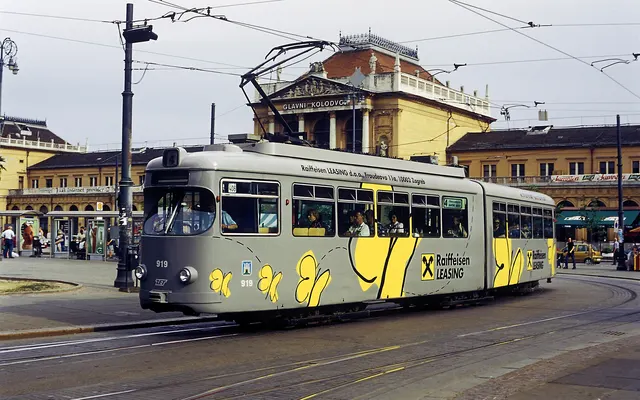
In Split, Dubrovnik and Zagreb, walking, local buses and official taxis or ride-hailing cover most visitor days; a data path makes maps and tickets easier. Between coastal cities, a mix of ferries, catamarans, buses and, for some routes, short flights is the usual plan; the coastal road is scenic and slower than it looks. A rental car is useful for Istria, the hinterland and some island interiors, and is more trouble than it is worth in Dubrovnik's old town.
Download offline maps before a park, island-interior or border day. Coverage can dip in the mountains, in parks and on some islands. Do not treat a travel eSIM as a safety device on a hike or a late ferry. If you will enter Bosnia and Herzegovina (including a short coastal stretch near Dubrovnik) or Montenegro, confirm that the same plan lists those countries, or buy a second eSIM, before you rely on maps on the other side. Keep a portable charger with you on long, hot ferry days.
Mobile Networks and Coverage
The coast and main towns are the strong part. Smaller islands and some interior stretches can be patchier. Near some sea borders, a phone may briefly show an Italian network — that is a roaming quirk, not a reason to assume Italy is on your plan. We do not publish a coverage score. Confirm the network, and download ferry tickets and maps before you board.
eSIM Plan Advice By Trip Type
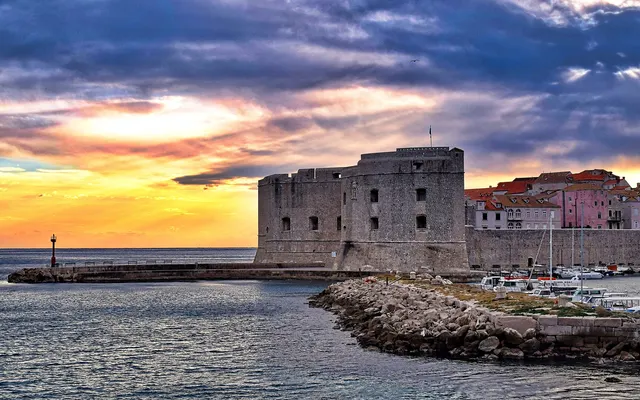
A Croatia country plan is enough for a Croatia-only holiday. If you will also visit Italy, Slovenia, Bosnia and Herzegovina or another neighbour, confirm a regional plan that lists every country you will enter — including any short border or ferry hop. A Europe regional eSIM is often the simple choice, but only after that confirmation. Confirm validity start and hotspot rules.
Tips for Canadians
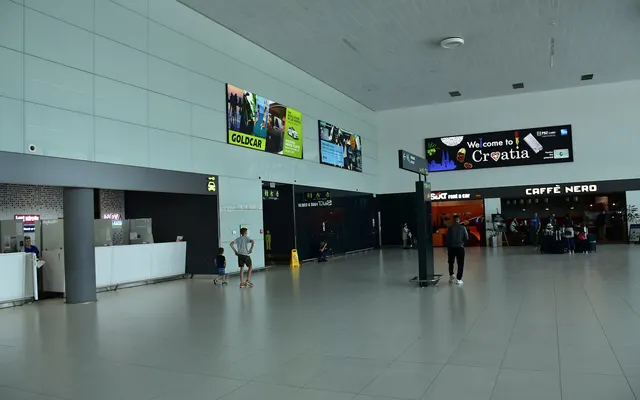
Flights from Canada usually connect through Europe, and sometimes the US. A Croatia eSIM will not cover those transits. Confirm a separate option if you need layover data. Your Canadian number can stay installed; confirm voice and SMS roaming with your carrier.
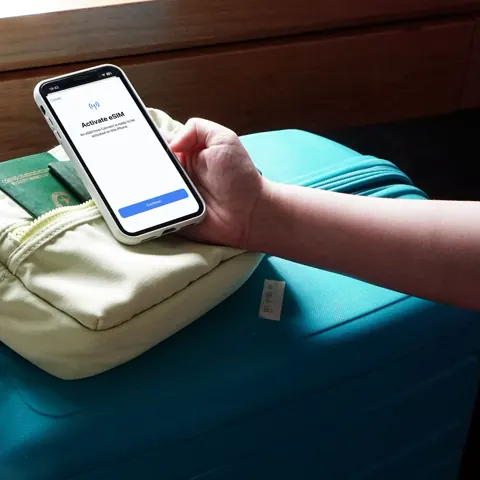
Install at home. Keep the Canadian line for calls and codes, set data to the eSIM after landing, and turn Canadian data roaming off. Confirm hotspot permission if you share a plan on a boat or in an apartment. Do not rely on port Wi-Fi alone.
If you will also visit Italy, Slovenia or another neighbour, confirm a Europe regional plan that lists every country. Install at home, keep the Canadian line for calls and codes, and turn Canadian data roaming off after you arrive. Confirm hotspot rules. Download offline maps before a ferry day, and do not assume harbour Wi-Fi will last the crossing.
Safety and Connectivity Tips
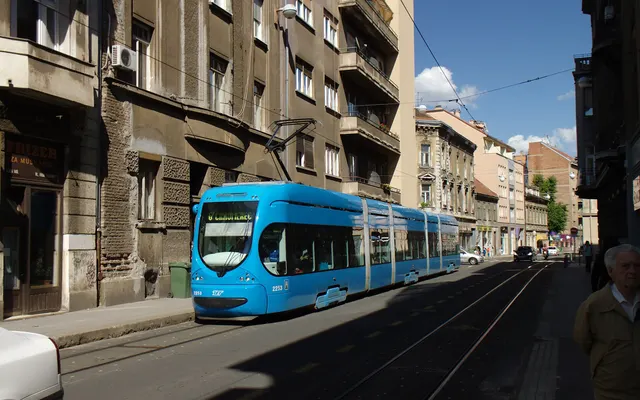
Follow current official travel advice for Croatia; we do not invent risk scores. In the old towns and on the busy islands, the usual habits apply: keep valuables in sight in crowds and on beaches, use official taxis or a known ride-hailing app, and be careful of unattended bags. Emergency numbers may differ from Canada; confirm them, including the European emergency number. On coastal roads and in parks, driving conditions, heat and trail surfaces are the more common practical issues. If you cross a nearby border, confirm any documentation and insurance requirements.
Keep your Canadian line installed for calls and banking texts, set mobile data to the Croatia eSIM after you arrive, and turn data roaming off on the Canadian line unless you have confirmed a carrier Europe pack. Wi-Fi calling on the Canadian number may work on hotel Wi-Fi; confirm that with your carrier. Share your ferry or driving plan, and download maps while you still have a signal. A travel eSIM is not travel insurance. Confirm the regional plan's country list if your itinerary is more than Croatia alone.
What Canadians Should Also Know
- Boat trips along the coast stay mostly in coverage, but signal can roam onto Italian networks near the sea border.
Frequently Asked About eSIMs in Croatia
What if my phone picks up an Italian network on a boat?
Is a Croatia country plan enough for a coast-and-islands trip?
How Much Data to Buy for Croatia
For maps, messaging and bookings, most travellers use roughly 0.25–0.5 GB a day. Add more for video calls, social uploads or using your phone as a hotspot. These figures are a starting point, not a measured study and not a provider quote. Confirm plan sizes on the provider's site.
| Trip | Light use | Moderate | Heavy |
|---|---|---|---|
| 1 week | 2–3 GB | 5 GB | 10 GB+ |
| 2 weeks | 3–5 GB | 10 GB | 20 GB+ or unlimited |
| 1 month | 5–10 GB | 20 GB | Unlimited |
Estimates, not provider figures. Use the compare tool for Croatia for a personalised estimate.
Step-by-step dual-SIM settings: keep your Canadian number. For a broader look at carrier roaming versus a travel eSIM, see Canadian carrier roaming (confirm current rates in your account; we do not invent prices).
Compare Plans for Croatia
Confirm price, validity, country list and network on the provider's site before you buy. Order below is fixed; providers cannot pay for position. Until a tracking link is configured, some buttons open an official-site interstitial rather than an earning link. Disclosure.
Opens Yesim in a new tab. We do not have a verified published price for this destination yet. Confirm the live price on the provider's site before you pay. You pay only the eSIM plan price; no carrier roaming charges.
- Yesim View plans
- Saily View plans
- Airalo View plans
- GigSky See Similar Plans at Yesim
- Drimsim View plans
- Holafly See Similar Plans at Yesim
- Nomad See Similar Plans at Yesim
- Maya Mobile See Similar Plans at Yesim
- Ubigi See Similar Plans at Yesim
- aloSIM See Similar Plans at Yesim
Open the compare planner for Croatia.
Airport Transfers
- Kiwitaxi View offers
- Welcome Pickups View offers
Car Rentals
- Localrent View offers
- GetRentacar View offers
- QEEQ View offers
- Economybookings View offers
Tours and Tickets
- Tiqets View offers
- Klook View offers
- WeGoTrip View offers
Flight Delay Claims
- AirHelp View offers
Flights
- Aviasales View offers
 eSIM for United Kingdom
 eSIM for France
 eSIM for Italy
 eSIM for Spain
 eSIM for Portugal
 eSIM for Germany