- Recommended
- Country plan
- Region
- Asia-Pacific
- Major networks
- CSL · SmarTone · 3HK · China Mobile Hong Kong
- Country code
 HK
Overview

Hong Kong is a country-plan destination for visits that stay in the territory, and a combined-plan destination if you will also enter mainland China. CSL, SmarTone, 3HK and China Mobile Hong Kong are the major networks. Central, Kowloon and the area around Victoria Harbour are generally well served. Confirm the partner network, and confirm whether a Hong Kong plan stops at the mainland border.
Top Cities and Places in Hong Kong
The urban core around Victoria Harbour, Central and Kowloon is generally strong on CSL, SmarTone, 3HK or China Mobile Hong Kong. Outlying islands and country-park trails can be weaker. The planning detail is the mainland border: if you will cross into Shenzhen or elsewhere in mainland China, confirm a combined plan or a separate mainland plan. A Hong Kong plan often stops at that border.


Regions

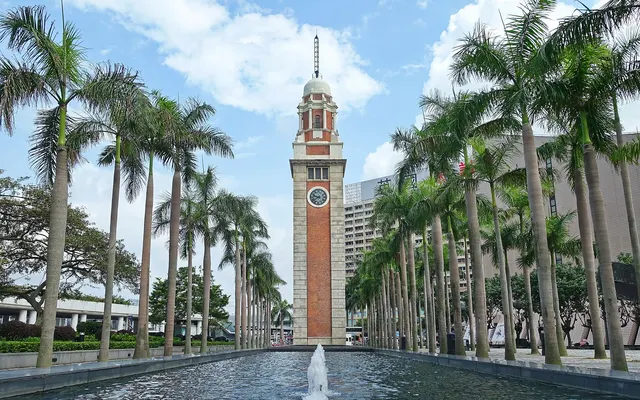
Hong Kong is a compact Special Administrative Region, not a large country, but it still has a clear internal geography. Hong Kong Island holds the historic business core, Victoria Harbour's south shore, and the steep Mid-Levels and Peak; many first photographs of the skyline are taken from this side or looking at it. Kowloon, across the harbour, includes Tsim Sha Tsui, the shopping and hotel belts, and neighbourhoods that stretch north toward the New Territories. The New Territories, beyond the dense Kowloon spine, include new towns, country parks and, toward the mainland boundary, a different, less central landscape. The outlying islands, including Lantau — where the international airport sits — and smaller islands served by ferry, are day trips or separate stays, not a downtown walk.
Coverage is generally excellent in urban Hong Kong Island and Kowloon, and still good in most towns, with more variability in country parks, on some trails and on quieter islands. You usually do not need a different eSIM product for Lantau versus Central, but you should confirm the partner network — including names such as CSL, 1O1O, SmarTone or China Mobile Hong Kong, depending on the plan — if you will hike. A Hong Kong eSIM should not be assumed to cover mainland China, and a mainland China eSIM should not be assumed to cover Hong Kong; confirm each if you will cross the boundary.
People and Demographics
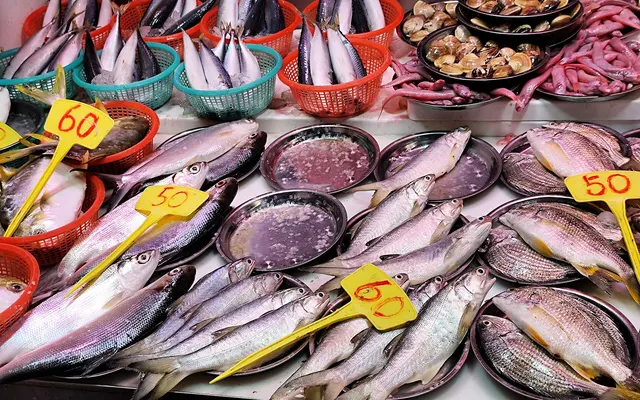
Hong Kong has a population of around 7.5 million; confirm the latest official figure if you need a current total. Chinese, in practice Cantonese, and English are official languages. Cantonese is the everyday language of most residents. English is widely visible on signs, in the MTR, in many hotels and in business districts, and is more usable here than in most mainland cities, though it is not universal in every neighbourhood shop. Written Chinese appears in traditional characters. The population is predominantly Chinese, with other communities long present in this port city. Religious life includes Buddhism, Taoism, Christianity and other traditions, alongside a large secular share; this shapes some festival calendars more than it shapes an eSIM plan.
The urban population is dense in Kowloon and on the northern shore of Hong Kong Island. New towns in the New Territories hold a large share of residents who are not in the tourist photographs. The photographs on this page follow a common first-trip pattern: the harbour and skyline, a Kowloon or Island street, and a country-park or island landscape. Density is the demographic fact that explains why urban coverage is generally excellent, and why trails above the city can still lose a signal a short walk from a road.
Currency and Costs
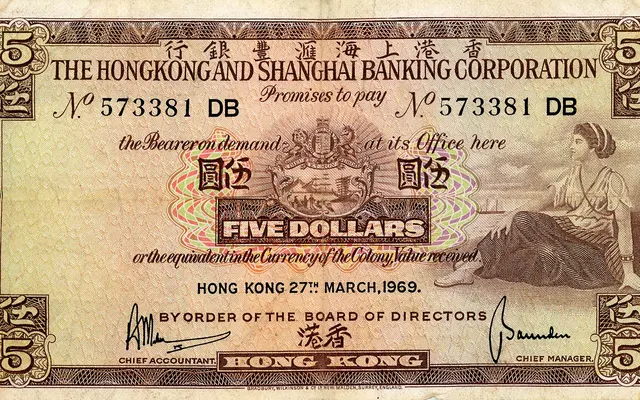
The currency is the Hong Kong dollar, not the Chinese yuan, and not the Canadian or US dollar, though some tourist businesses may quote in more than one currency — confirm the rate if they do. Cards are widely accepted in hotels, shops, restaurants and the transit system; the Octopus card or a comparable payment method is part of everyday travel. Cash is still useful in some markets and small businesses. ATMs are common; confirm fees with your Canadian bank. We do not publish hotel or restaurant prices. Hong Kong can be expensive, especially for central hotels — confirm current prices for your dates.
Tipping customs differ by setting; confirm if a service charge is already on the bill. For the eSIM, confirm the plan price on the provider's site. A Hong Kong plan is enough for a stay that never enters the mainland or Macao. If you will go to Shenzhen, Guangzhou or Macao, confirm a plan that lists those places, or buy a second eSIM. Do not assume a 'China' product treats Hong Kong and the mainland as the same network environment.
Best Time to Visit

Autumn, roughly October through early December, is often the most comfortable season for walking the city and the country parks, with lower humidity than summer. Spring can be mild but also humid or overcast. Summer, from roughly June through August, is hot, humid, and typoon-prone; heavy rain can affect outdoor plans and, occasionally, transport. Winter is milder than a Canadian winter and can be a good time for a city break, with shorter days and a chance of cooler, grey weather.
Chinese New Year and some local holidays can affect opening hours and crowds; confirm dates. For an eSIM, a long-weekend or one-week stay is a simple validity window. A trip that adds a mainland crossing or a country-park hiking day is when you should confirm the country list and download offline maps. Typhoon signals, when they are issued, are a real planning issue; a working phone helps you follow official notices.
Getting There From Canada
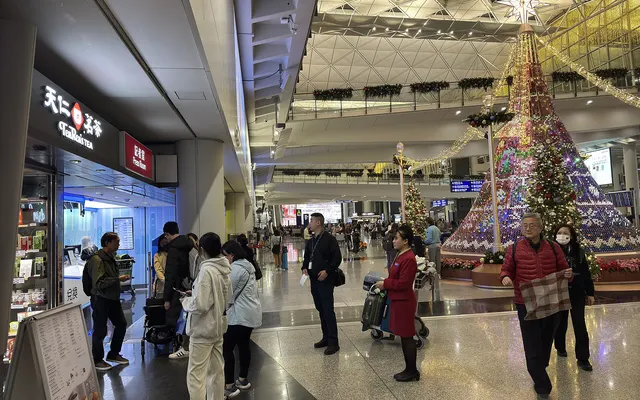
Toronto Pearson (YYZ) and Vancouver (YVR) have had direct or frequent one-stop flights to Hong Kong; YVR is particularly strong for this route. Montréal–Trudeau (YUL) more often connects, sometimes through Europe, the US or another Asian hub. Confirm current schedules, because long-haul lists have changed. If you connect through another country, a Hong Kong eSIM will not cover that layover unless the plan lists the layover country.
Hong Kong International Airport is on Lantau and is connected to the city by airport express, buses and taxis; confirm the transfer. If your ticket continues to the mainland, treat the Hong Kong arrival and the mainland arrival as two separate immigration and connectivity events. Entry rules for Canadian citizens should be confirmed before you fly, including any registration or stay-condition changes; a travel eSIM does not replace a passport. Confirm official advice. Macao is a further, separate crossing if it is on the itinerary.
Getting Around
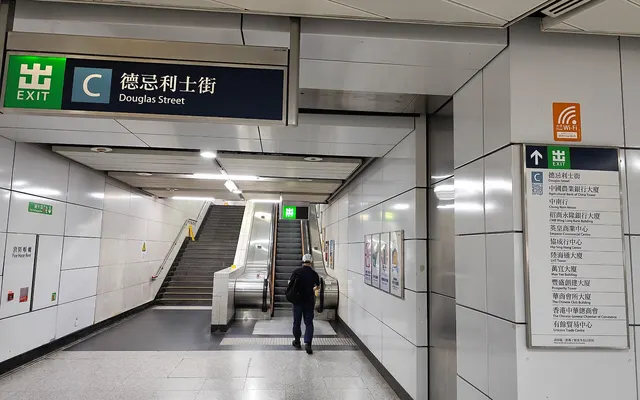
The MTR, trams on Hong Kong Island, buses, ferries and walking cover most visitor days; a data path plus an Octopus or similar payment method makes the system easy. Taxis and ride-hailing are widely available. Country parks are reached by bus or taxi and then on foot; that is where offline maps matter. A rental car is rarely useful for a first visit.
Download offline maps before a hiking or outlying-island day. Coverage is generally strong in the urban grid and can dip on trails and some island paths. Do not treat a travel eSIM as a safety device on a ridge walk; tell someone your route, and carry water. If you will cross into mainland China or Macao, confirm a plan that lists the next place, or buy a second eSIM, before you rely on maps on the other side of the boundary. Keep a portable charger with you on long, humid walking days.
Mobile Networks and Coverage

The urban core is typically strong. Some outlying islands and country-park trails can be weaker. We do not publish a coverage percentage. Confirm the network if you will hike or visit less central islands, and download offline maps for those days.
eSIM Plan Advice By Trip Type
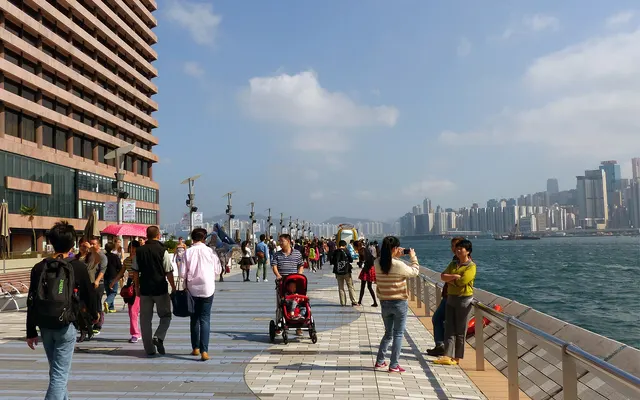
A Hong Kong plan is usually enough if you will stay in Hong Kong. If you will cross into Shenzhen or elsewhere in mainland China, confirm a combined plan or a separate mainland plan — Hong Kong is often sold separately. Confirm validity start and hotspot rules.
Tips for Canadians

Flights from Canada may arrive in Hong Kong directly in some seasons or may connect through another hub. A Hong Kong eSIM will not cover a US layover. Confirm a transit option if you need one. Your Canadian number can stay reachable; confirm voice and SMS terms with your carrier. If mainland China is on the itinerary, make the border-plan confirmation first.
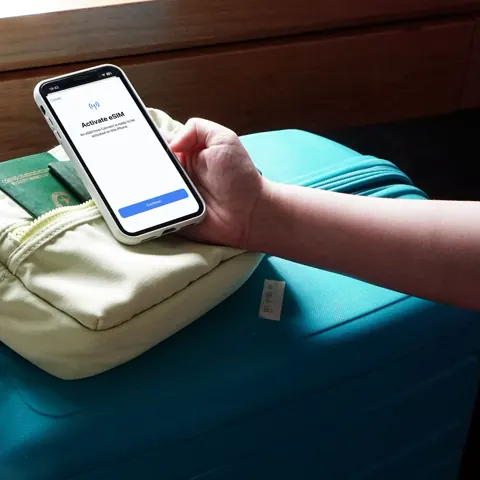
Install at home. Keep your Canadian line for calls and codes. Set data to the eSIM after landing and turn Canadian data roaming off. Confirm hotspot permission if you share a plan. A travel eSIM is usually data-only.
If mainland China is on the itinerary, make the border-plan confirmation first. Install at home, keep the Canadian line for calls and codes, and turn Canadian data roaming off after you arrive. Confirm hotspot rules. Download offline maps before a country-park or outlying-island day. A Hong Kong eSIM will not cover a US layover.
Safety and Connectivity Tips
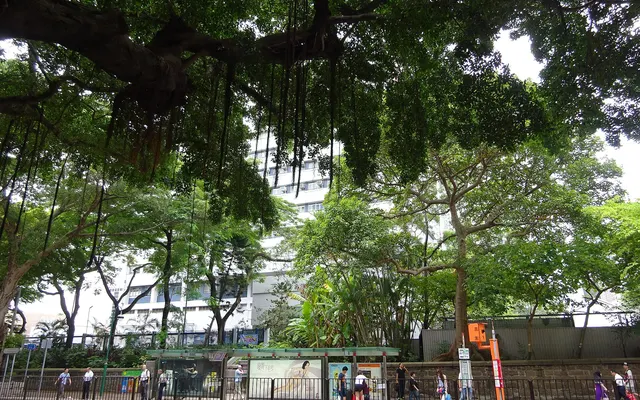
Follow current official travel advice for Hong Kong; we do not invent risk scores. In the urban area, ordinary caution around crowded MTR cars, markets and tourist streets still applies; keep valuables in sight. Emergency numbers may differ from Canada; confirm them. In the country parks, heat, humidity, sudden rain and ridge weather are the more common practical issues; confirm trail conditions and official weather signals, including typhoon notices.
Keep your Canadian line installed for calls and banking texts, set mobile data to the Hong Kong eSIM after you arrive, and turn data roaming off on the Canadian line unless you have confirmed a carrier pack. Wi-Fi calling on the Canadian number may work on hotel Wi-Fi; confirm that with your carrier. If you later enter the mainland, do not assume the same calling and app behaviour will continue — confirm before you cross. A travel eSIM is not travel insurance. Confirm the country list if the trip is more than Hong Kong alone.
What Canadians Should Also Know
- Hong Kong is often sold separately from mainland China; a combined plan is useful if you cross the border.
Frequently Asked About eSIMs in Hong Kong
Does a Hong Kong eSIM cover Shenzhen?
Is city coverage enough for a hiking day?
How Much Data to Buy for Hong Kong
For maps, messaging and bookings, most travellers use roughly 0.25–0.5 GB a day. Add more for video calls, social uploads or using your phone as a hotspot. These figures are a starting point, not a measured study and not a provider quote. Confirm plan sizes on the provider's site.
| Trip | Light use | Moderate | Heavy |
|---|---|---|---|
| 1 week | 2–3 GB | 5 GB | 10 GB+ |
| 2 weeks | 3–5 GB | 10 GB | 20 GB+ or unlimited |
| 1 month | 5–10 GB | 20 GB | Unlimited |
Estimates, not provider figures. Use the compare tool for Hong Kong for a personalised estimate.
Step-by-step dual-SIM settings: keep your Canadian number. For a broader look at carrier roaming versus a travel eSIM, see Canadian carrier roaming (confirm current rates in your account; we do not invent prices).
Compare Plans for Hong Kong
Confirm price, validity, country list and network on the provider's site before you buy. Order below is fixed; providers cannot pay for position. Until a tracking link is configured, some buttons open an official-site interstitial rather than an earning link. Disclosure.
Opens Yesim in a new tab. We do not have a verified published price for this destination yet. Confirm the live price on the provider's site before you pay. You pay only the eSIM plan price; no carrier roaming charges.
- Yesim View plans
- Saily View plans
- Airalo View plans
- GigSky See Similar Plans at Yesim
- Drimsim View plans
- Holafly See Similar Plans at Yesim
- Nomad See Similar Plans at Yesim
- Maya Mobile See Similar Plans at Yesim
- Ubigi See Similar Plans at Yesim
- aloSIM See Similar Plans at Yesim
Open the compare planner for Hong Kong.
Airport Transfers
- Kiwitaxi View offers
- Welcome Pickups View offers
Car Rentals
- Localrent View offers
- GetRentacar View offers
- QEEQ View offers
- Economybookings View offers
Tours and Tickets
- Tiqets View offers
- Klook View offers
- WeGoTrip View offers
Flight Delay Claims
- AirHelp View offers
Flights
- Aviasales View offers
 eSIM for Japan
 eSIM for South Korea
 eSIM for China
 eSIM for Thailand
 eSIM for Vietnam
 eSIM for Philippines