- Recommended
- Country plan
- Region
- Asia-Pacific
- Major networks
- NTT Docomo · SoftBank · KDDI (au) · Rakuten Mobile
- Country code
 JP
Overview
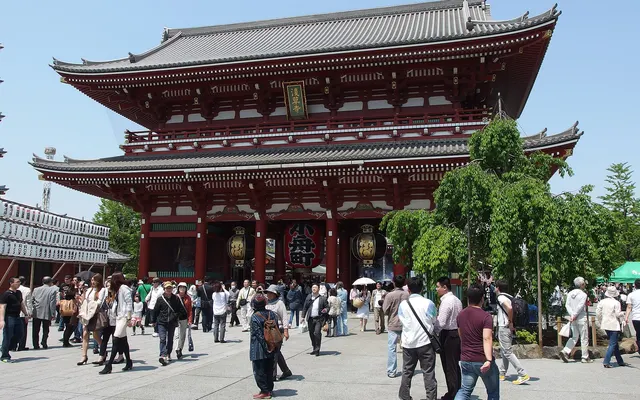
Japan is a country-plan destination for most Canadian trips that stay inside the country. The national networks are NTT Docomo, KDDI (au), SoftBank and Rakuten Mobile. Tokyo, including Shibuya and the other central wards, plus Kyoto and Osaka, are generally well served. Rural lines and some shinkansen segments are often stronger on Docomo or KDDI. Confirm the partner network on the plan page before you pay, especially if you will travel beyond those three cities. Pocket Wi-Fi rentals are common; an eSIM avoids pick-up and return desks at Narita, Haneda or Kansai.
Top Cities and Places in Japan
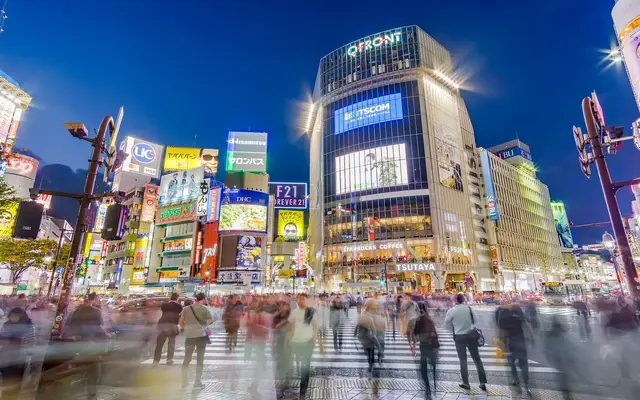
Tokyo is the usual first landing — the Shibuya Crossing photograph on this page — with Kyoto and Osaka as the classic second and third cities, and sometimes a further hop to Hiroshima or Nara. Those cities are generally well served. Rural lines and some shinkansen segments are often stronger on Docomo or KDDI than on a narrower partner such as Rakuten; confirm the network if you will ride beyond the three cities.
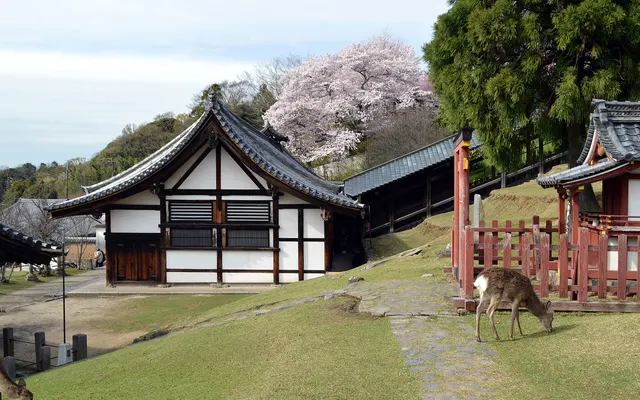
Regions
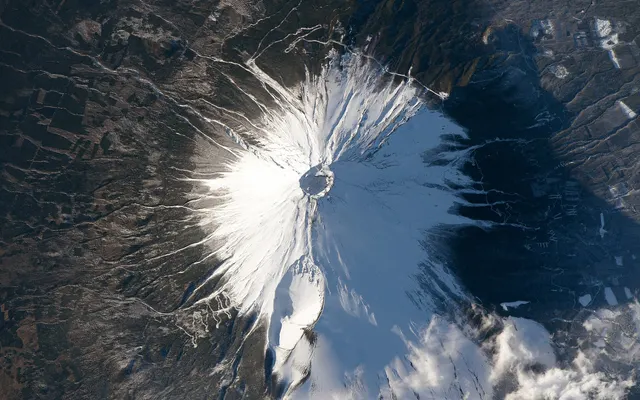
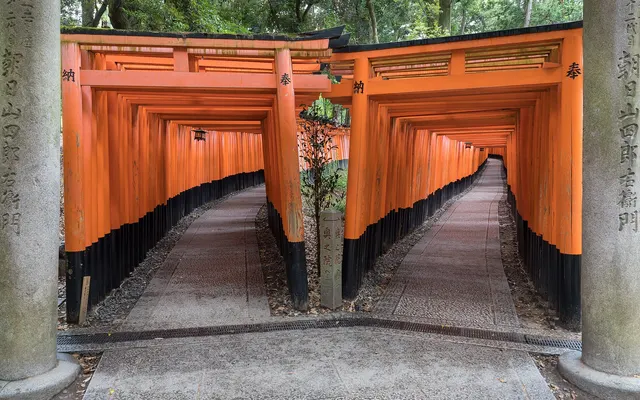
Japan is usually planned as a city circuit, sometimes with one countryside or island add-on, rather than as a complete national tour. The main island of Honshu holds the classic first itinerary: Tokyo — the usual international arrival and a complete city trip — then, by the Shinkansen, Kyoto and, nearby, Osaka and Nara. Hiroshima is a further west-Honshu stop, often combined with Miyajima. The Japan Alps and, on the Sea of Japan side, towns such as Kanazawa are a slower add-on. Hokkaido, in the north, is a separate climate and a separate flight or long train, known for winter sports and summer countryside. Kyushu, in the southwest, and Okinawa, further south, are their own itineraries and should be confirmed on the coverage map if you will leave the main cities.
Coverage is generally excellent in Tokyo, Osaka, Kyoto and along the main rail corridors, and more variable in some alpine valleys, rural coasts, and smaller islands. You usually do not need a different eSIM product for Kyoto versus Tokyo, but you should confirm the partner network — NTT Docomo, au or SoftBank, depending on the plan — if you will hike or spend time in the countryside. If you will also visit South Korea or another country on the same trip, confirm a regional or second-country plan; a Japan eSIM will not cover those crossings by default.
People and Demographics
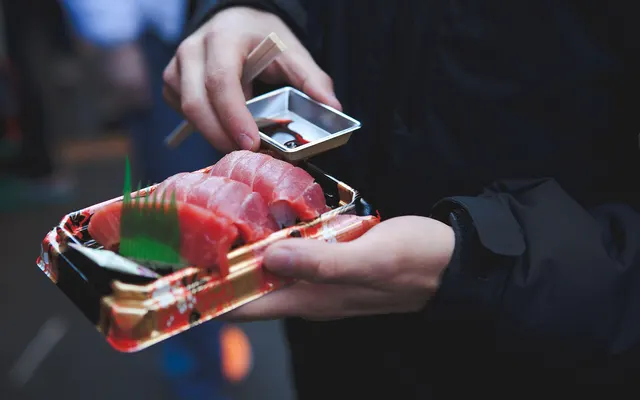
Japan has a population of around 125 million; confirm the latest official figure if you need a current total. Japanese is the official language and the language of daily life. English is limited outside hotels, major stations, airports and some restaurants in Tokyo, Osaka and Kyoto; signs in stations often include English, which helps, but a translation app on a working data path is more useful here than in much of Western Europe. The population is religiously mixed in a way that is easy to oversimplify: Shinto and Buddhist practices are both part of public life and the festival calendar, with a large share of people who are not formally observant in a Western sense, and small Christian and other communities.
The Greater Tokyo area is the largest metro in the world by most familiar measures. Osaka, Nagoya, Sapporo, Fukuoka and Kyoto are among the other major cities; Kyoto is smaller as a metro than its visitor traffic suggests. The photographs on this page follow a common first-trip pattern: Tokyo, Kyoto, and a mountain or countryside landscape. Population and mobile capacity are concentrated along the Pacific urban belt; some alpine and rural areas are more sparsely inhabited, which is why coverage should be confirmed on a hiking day.
Currency and Costs
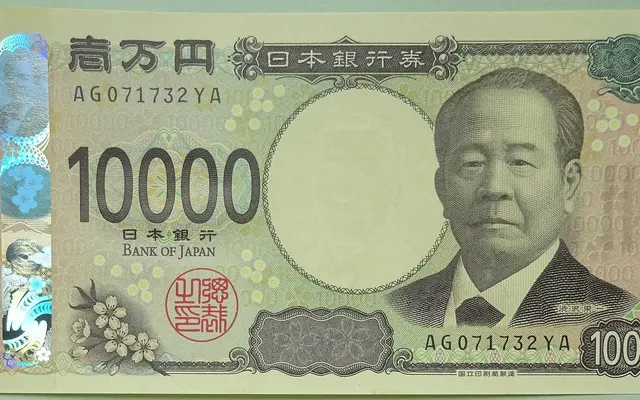
The currency is the Japanese yen. Cash is still more important than in many other destinations on this site, even though cards and some QR-payment systems are now widely used in cities, hotels and convenience stores. Smaller restaurants, shrines, rural inns and some ticket machines may still be cash-only or cash-easier. ATMs that accept foreign cards are common in convenience stores and post offices in the cities; confirm fees with your Canadian bank, and do not assume every bank ATM will work. We do not publish hotel or restaurant prices. Tokyo and Kyoto in cherry-blossom or autumn-colour weeks are generally expensive; confirm current prices for your dates.
Tipping is not customary in the way it is in North America. For the eSIM, confirm the plan price on the provider's site. A Japan-only plan is enough for a Tokyo-Kyoto-Osaka trip. If you will also visit South Korea or another country, confirm a regional or second-country plan. Confirm IC-card and transport-app options, because a working data path makes those easier to set up on arrival.
Best Time to Visit
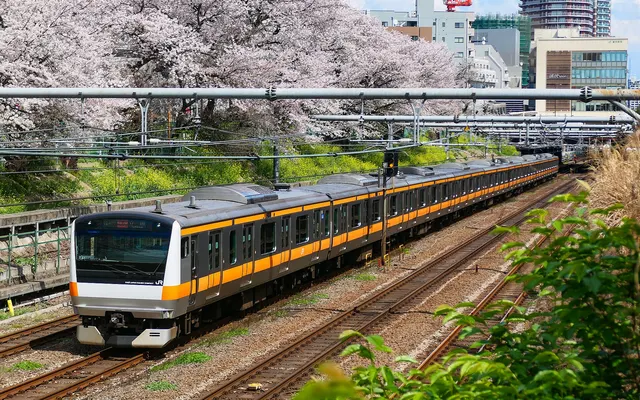
March and April (cherry blossom) and November (autumn colour) are the most popular, and often the most expensive, windows for a first city circuit; exact bloom and colour dates vary by year and by region, so confirm closer to travel. Summer, especially late June through August, is hot and humid in Tokyo, Kyoto and Osaka, with a rainy season that typically falls in early summer — confirm the pattern for your region — and is peak festival season in some cities. Winter is cold in Tokyo, colder in the Alps and in Hokkaido, and is the ski season in the north; it can be a quieter, clearer time for cities if you accept short days.
Golden Week in late April and early May, Obon in mid-August, and New Year are busy domestic travel periods; confirm dates if you want to avoid crowded trains. For an eSIM, a one-week city circuit is a simple validity window. A trip that adds the Alps, Hokkaido or Okinawa is when you should confirm the partner network and download offline maps. Midsummer heat is a health planning issue in the cities; a working phone helps you find indoor rest and timed tickets.
Getting There From Canada
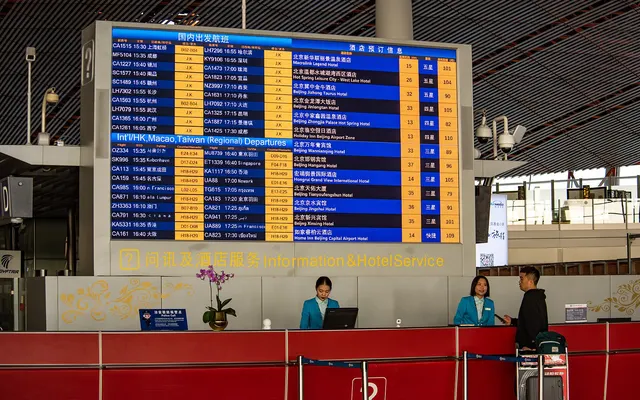
Toronto Pearson (YYZ) and Vancouver (YVR) have direct or frequent one-stop flights to Tokyo, and sometimes to Osaka; YVR is particularly strong for Japan. Montréal–Trudeau (YUL) more often connects, sometimes through Toronto, the US or another Asian hub. Confirm current schedules. If you connect through the United States or another country, a Japan eSIM will not cover that layover unless the plan lists the layover country.
Tokyo has more than one international airport; confirm whether you land at Narita or Haneda, and how you will reach the city, because transfer times differ. Osaka's Kansai airport is a better first landing if the trip starts in Kyoto or Osaka. Entry rules for Canadian citizens should be confirmed before you fly, including any electronic authorization or immigration-procedure changes; a travel eSIM does not replace a passport. Confirm official advice.
Getting Around
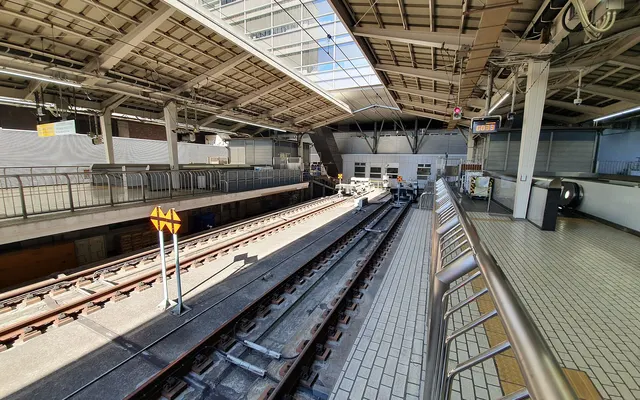
In Tokyo, Osaka and Kyoto, trains, subways, walking and the occasional taxi cover most visitor days; a data path makes maps, IC cards and platform changes much easier. Between cities, the Shinkansen is the usual tool. A rental car is useful in Hokkaido, in parts of the Alps and in the countryside, and is more trouble than it is worth in Tokyo; driving is on the left. Overnight buses are a budget option on some routes.
Download offline maps before a rural, alpine or island day. Coverage is generally strong, but it can dip in mountain valleys and on smaller islands. Do not treat a travel eSIM as a safety device on a hike. Confirm train tickets and reserved-seat rules in a screenshot or in the official app, especially at holiday periods. If you will also visit another country on the same trip, confirm a regional or second-country plan. Keep a portable charger with you on long station-and-temple days.
Mobile Networks and Coverage
Coverage in Tokyo, Kyoto and Osaka is typically strong on all four networks. Gaps are more likely on rural stretches, some mountain routes and inside thick-walled stations. We do not publish a coverage percentage. If a ryokan town, a hiking day or a long shinkansen ride matters, confirm the plan's network and download offline maps. Rakuten's footprint is narrower than Docomo or KDDI in some regions; do not assume every Japan eSIM uses the widest network.
eSIM Plan Advice By Trip Type
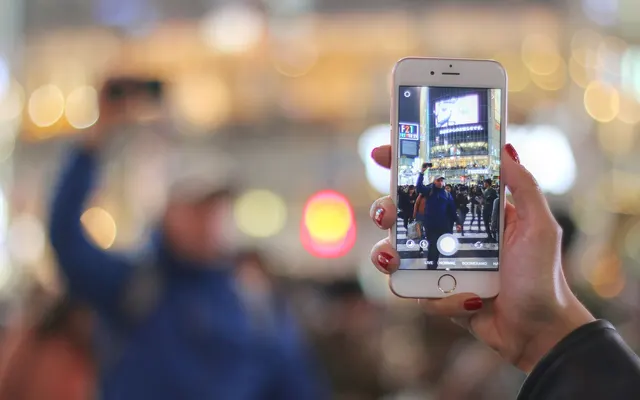
A Japan country plan is usually the right choice if Japan is your only stop. If you will also visit South Korea or another country on the same ticket, confirm a regional plan that lists every country, or buy a second country plan. Confirm whether validity starts at installation or at first connection so you do not burn days while still in Canada.
Tips for Canadians
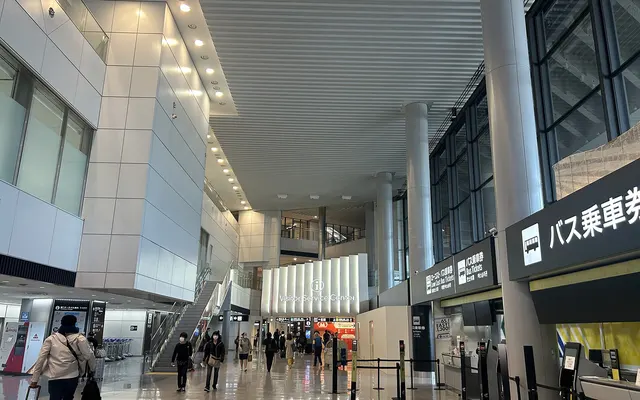
Flights from Canada often arrive in Tokyo, sometimes in Osaka, and often connect through the US or another hub. A Japan eSIM will not cover a US layover — confirm a separate option if you need transit data. Your Canadian number can stay reachable; confirm voice and SMS terms with your carrier. A travel eSIM is usually data-only and will not give you a Japanese phone number.
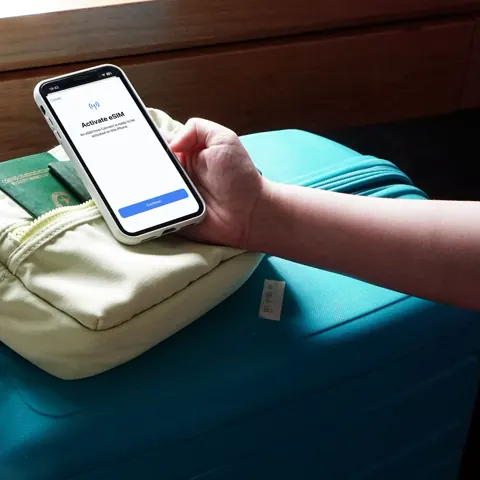
Install the eSIM at home on Wi-Fi, a day or two before you fly. Keep your Canadian line for calls and verification texts. On arrival at Narita, Haneda or Kansai, set mobile data to the eSIM and turn data roaming off on the Canadian line. Confirm hotspot rules if you will share the plan between Tokyo and Kyoto hotel rooms. IC cards and maps work more smoothly with a reliable data path than with station Wi-Fi alone.
Install at home on Wi-Fi a day or two before you fly, and confirm whether validity starts at installation. Keep the Canadian line for calls and codes. Set data to the eSIM after landing at Narita, Haneda or Kansai, and turn Canadian data roaming off. Confirm hotspot rules. IC cards and maps work more smoothly with a reliable data path than with station Wi-Fi alone. A Japan eSIM will not cover a US layover on the way.
Safety and Connectivity Tips
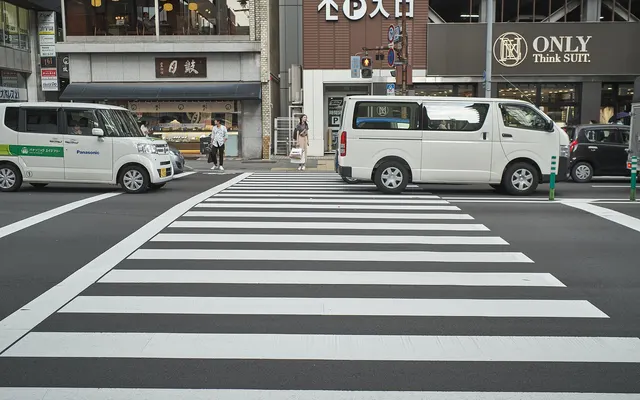
Follow current official travel advice for Japan; we do not invent risk scores. In the cities, ordinary caution around crowded trains and tourist sites still applies; keep valuables in sight and be careful of unattended bags. Emergency numbers may differ from Canada; confirm them, and confirm how to reach a hospital if you need one. Typhoons in late summer and autumn, and winter weather in the north, are the more common practical disruptions; confirm forecasts. Earthquakes are a known risk; confirm basic safety guidance rather than inventing a plan on the day.
Keep your Canadian line installed for calls and banking texts, set mobile data to the Japan eSIM after you arrive, and turn data roaming off on the Canadian line unless you have confirmed a carrier pack. Wi-Fi calling on the Canadian number may work on hotel Wi-Fi; confirm that with your carrier. Share your route if you will hike, and download maps while you still have a signal. A travel eSIM is not travel insurance and is not a substitute for official weather or safety advice.
What Canadians Should Also Know
- Pocket Wi-Fi rentals are common, but an eSIM avoids pick-up and return logistics.
- Plans on Docomo or KDDI tend to hold up better in rural areas and on long train rides.
Frequently Asked About eSIMs in Japan
Is a pocket Wi-Fi rental better than an eSIM in Japan?
Will a Japan eSIM work on the shinkansen?
How Much Data to Buy for Japan
For maps, messaging and bookings, most travellers use roughly 0.25–0.5 GB a day. Add more for video calls, social uploads or using your phone as a hotspot. These figures are a starting point, not a measured study and not a provider quote. Confirm plan sizes on the provider's site.
| Trip | Light use | Moderate | Heavy |
|---|---|---|---|
| 1 week | 2–3 GB | 5 GB | 10 GB+ |
| 2 weeks | 3–5 GB | 10 GB | 20 GB+ or unlimited |
| 1 month | 5–10 GB | 20 GB | Unlimited |
Estimates, not provider figures. Use the compare tool for Japan for a personalised estimate.
Step-by-step dual-SIM settings: keep your Canadian number. For a broader look at carrier roaming versus a travel eSIM, see Canadian carrier roaming (confirm current rates in your account; we do not invent prices).
Compare Plans for Japan
Confirm price, validity, country list and network on the provider's site before you buy. Order below is fixed; providers cannot pay for position. Until a tracking link is configured, some buttons open an official-site interstitial rather than an earning link. Disclosure.
Opens Airalo in a new tab. 1 GB / 3 days. Checked 2026-11-18. Confirm the live price before you pay. You pay only the eSIM plan price; no carrier roaming charges.
- Yesim View plans
- Saily View plans
- Airalo View plans
- GigSky See Similar Plans at Yesim
- Drimsim View plans
- Holafly See Similar Plans at Yesim
- Nomad See Similar Plans at Yesim
- Maya Mobile See Similar Plans at Yesim
- Ubigi See Similar Plans at Yesim
- aloSIM See Similar Plans at Yesim
Open the compare planner for Japan.
Airport Transfers
- Kiwitaxi View offers
- Welcome Pickups View offers
Car Rentals
- Localrent View offers
- GetRentacar View offers
- QEEQ View offers
- Economybookings View offers
Tours and Tickets
- Tiqets View offers
- Klook View offers
- WeGoTrip View offers
Flight Delay Claims
- AirHelp View offers
Flights
- Aviasales View offers
 eSIM for South Korea
 eSIM for China
 eSIM for Hong Kong
 eSIM for Thailand
 eSIM for Vietnam
 eSIM for Philippines